NHTSA expands Tesla FSD probe, focusing on whether system can detect when cameras can’t see the road
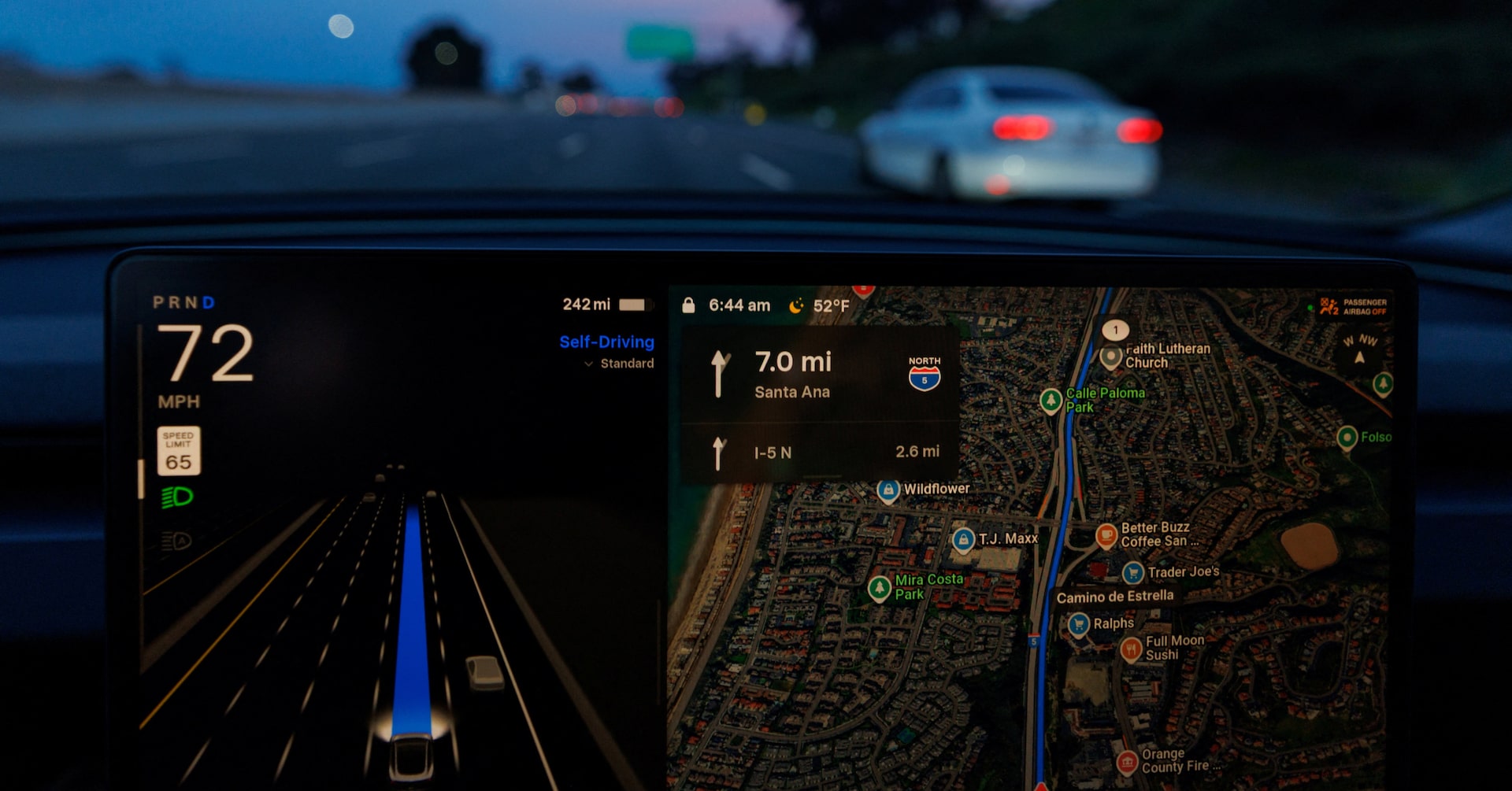
The National Highway Traffic Safety Administration said it is expanding its probe into Tesla’s Full Self-Driving system into an engineering analysis covering about 3.2 million Teslas, a majority of its vehicles that are on the road in the US, Reuters reports.
The agency is focusing on Tesla’s “degradation detection system,” which is meant to recognize when its camera-based technology cannot reliably perceive the road and prompt drivers to intervene:
“Available incident data raise concerns that Tesla’s degradation detection system, both as originally deployed and later updated, fails to detect and/or warn the driver appropriately under degraded visibility conditions such as glare and airborne obscurants. In the crashes that ODI has reviewed, the system did not detect common roadway conditions that impaired camera visibility and/or provide alerts when camera performance had deteriorated until immediately before the crash occurred.”
Tesla CEO Elon Musk has long argued that the company’s self-driving approach does not require the expensive lidar sensors used by rivals such as Waymo.
The agency is focusing on Tesla’s “degradation detection system,” which is meant to recognize when its camera-based technology cannot reliably perceive the road and prompt drivers to intervene:
“Available incident data raise concerns that Tesla’s degradation detection system, both as originally deployed and later updated, fails to detect and/or warn the driver appropriately under degraded visibility conditions such as glare and airborne obscurants. In the crashes that ODI has reviewed, the system did not detect common roadway conditions that impaired camera visibility and/or provide alerts when camera performance had deteriorated until immediately before the crash occurred.”
Tesla CEO Elon Musk has long argued that the company’s self-driving approach does not require the expensive lidar sensors used by rivals such as Waymo.