Tech
Trump Cybertruck
A Tesla Cybertruck with the word “Trump” sits in traffic in Washington, DC (Christopher Furlong/Getty Images)
Government efficiency

Tesla found a way to move more Cybertrucks: Sell them to the Trump administration

There’s more than one way to offload a giant stainless steel truck.

Rani Molla

The Trump administration is set to buy $400 million worth of “Armored Tesla” vehicles — later amended to “armored electric vehicles” — this year, according to State Department documents. That’s good news for Tesla, which has struggled to sell as many cars as it would have liked.

Last year the company had more than a million reservations for the Cybertruck, which came out in the beginning of 2024, but few of those turned into sales. CEO Elon Musk hopes to sell up to 500,000 a year; last year Tesla sold fewer than 40,000 Cybertrucks in the US. That was enough to make it the bestselling electric pickup in America, but that’s a low bar considering relatively few people buy electric pickups (regular pickup sales were in the millions). Additionally, Q4 Cybertruck sales were down 22% from Q3, suggesting sales momentum didn’t pick up later in the year.

Enter the US government, where CEO Elon Musk has cozied up to President Trump. The billionaire is in charge of cutting costs in the US government, but apparently not when it comes to paying himself and his companies.

Let’s do some rough math: let’s assume that $400 million would buy 4,000 $100,000 Cybertrucks. (The base model is around $80,000, and we’ll assume the armoring and add-ons would take it up $20,000.) We’re also assuming the money goes to Tesla as was initially stated, and to Cybertrucks, which are much more apt for armor than, say, a Model 3.

That’s 10% of last year’s total Cybertruck sales in one fell swoop! That’s also more Cybertrucks than the company sold in the US in all of January — the month it became eligible for the $7,500 federal credit — according to data from Wards Auto. Tesla sales, which the company had said would “return to growth” after falling last year, aren’t looking great so far in 2025, as they’ve been dropping around the world.

More Tech

See all Tech
tech

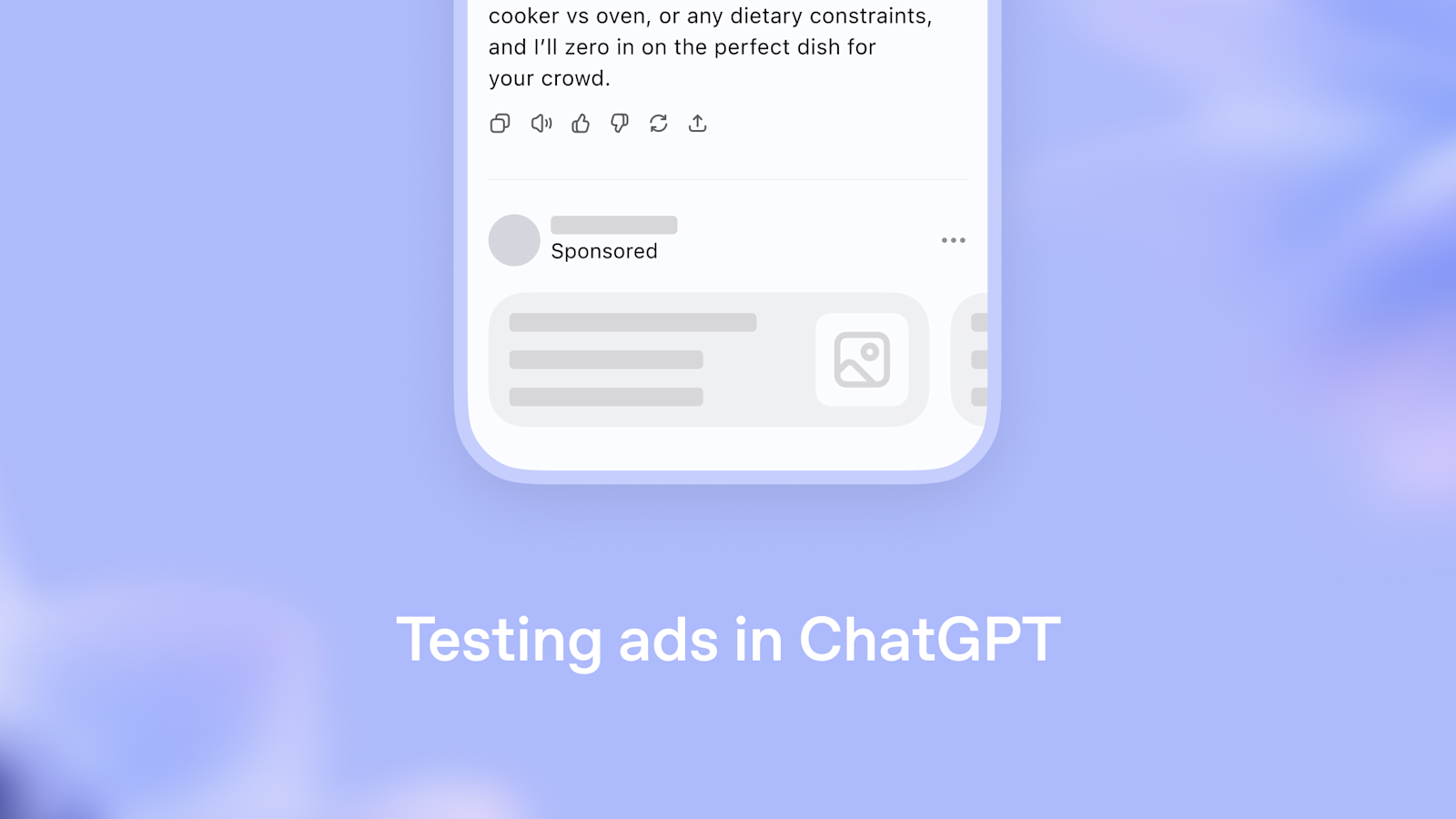
OpenAI is now officially showing ads

Just a day after Anthropic’s Super Bowl ad aired, making fun of the concept of ad-backed AI chatbots, OpenAI began testing ads in ChatGPT for its free and Go subscription tiers.

In a blog post, OpenAI reiterated that ads wouldn’t affect ChatGPT’s responses and would be “clearly labeled as sponsored and visually separated from the organic answer.”

“Our goal is for ads to support broader access to more powerful ChatGPT features while maintaining the trust people place in ChatGPT for important and personal tasks,” the company wrote. “We’re starting with a test to learn, listen, and make sure we get the experience right.”

Advertising is one way the company, which is expected to go public late this year, could offset the massive cost of running its service.

The Information previously reported that OpenAI aiming for ad spending commitments of less than $1 million per advertiser during the testing phase — far cheaper than a Super Bowl prime-time spot like Anthropic’s.

“Our goal is for ads to support broader access to more powerful ChatGPT features while maintaining the trust people place in ChatGPT for important and personal tasks,” the company wrote. “We’re starting with a test to learn, listen, and make sure we get the experience right.”

Advertising is one way the company, which is expected to go public late this year, could offset the massive cost of running its service.

The Information previously reported that OpenAI aiming for ad spending commitments of less than $1 million per advertiser during the testing phase — far cheaper than a Super Bowl prime-time spot like Anthropic’s.

tech

New study finds AI doesn’t reduce work — it intensifies it

The rapid adoption of AI by businesses was fueled by the promise of huge productivity boosts that could supercharge workers. A new study has found that while it did indeed boost workers’ productivity, the use of generative AI at work also made work more intense and creep into workers’ downtime.

Researchers Aruna Ranganathan and Xingqi Maggie Ye followed about 200 workers at a US tech company for eight months. They found that AI did speed up work, allowing employees to take on more responsibilities. But after the novelty of their newfound superpowers wore off, workers reported “cognitive fatigue, burnout, and weakened decision-making.”

The researchers noted that to avoid AI-inspired burnout and turnover, organizations should adopt an “AI practice,” spelling out how the technology is expected to be used and what kinds of limits are in place.

Researchers Aruna Ranganathan and Xingqi Maggie Ye followed about 200 workers at a US tech company for eight months. They found that AI did speed up work, allowing employees to take on more responsibilities. But after the novelty of their newfound superpowers wore off, workers reported “cognitive fatigue, burnout, and weakened decision-making.”

The researchers noted that to avoid AI-inspired burnout and turnover, organizations should adopt an “AI practice,” spelling out how the technology is expected to be used and what kinds of limits are in place.

tech

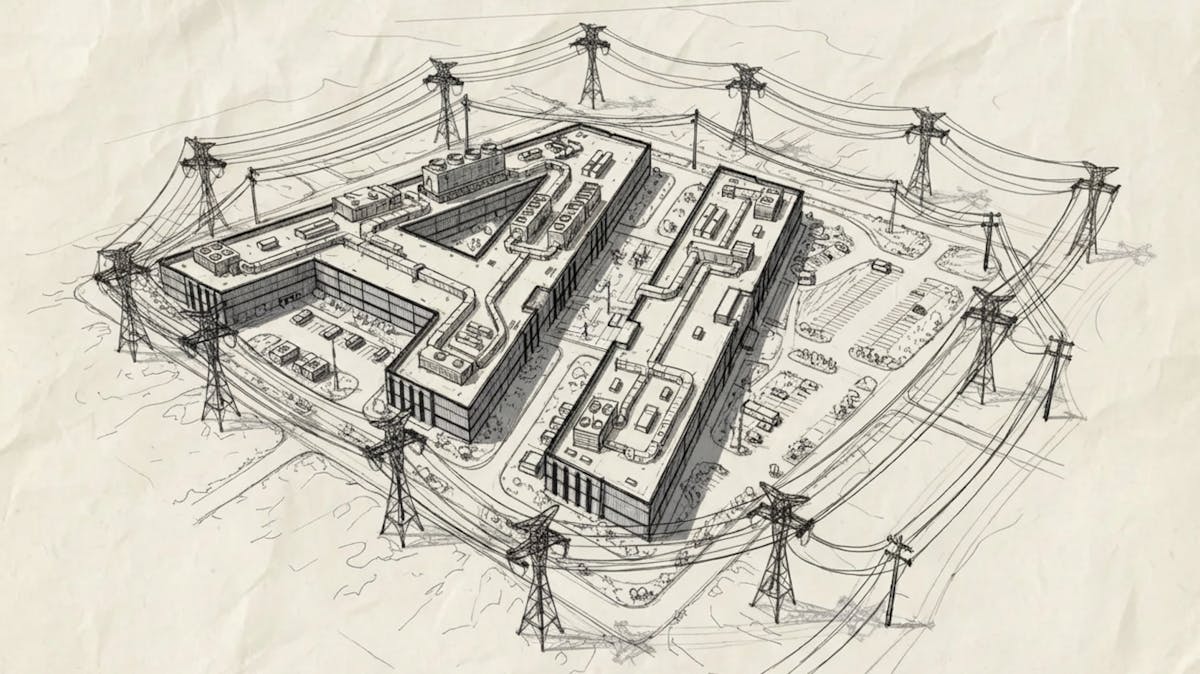
Report: Anthropic staffing up to build as much as 10 gigawatts’ worth of data centers

Anthropic has been hiring a team of executives with a very particular set of skills: building huge data centers. The Information is reporting that Anthropic may be planning to build up to 10 gigawatts of AI computing capacity over several years.

According to the report, Anthropic has hired several former Google executives with deep experience building data centers, which aligns with Anthropic’s heavy use of Google’s tensor processing units.

Ten gigawatts would be incredibly expensive. OpenAI executives reportedly have said that building a 1-gigawatt data center costs about $50 billion — putting the cost of 10 gigawatts in the ballpark of $500 billion. But Anthropic told investors it would spend only $180 billion on AI computing servers through 2029, per the report.

In November, Anthropic announced a deal with Fluidstack to build its first data centers, based in New York and Texas, investing $50 billion in the projects. Anthropic is racing alongside OpenAI to pull off an IPO later this year.

Ten gigawatts would be incredibly expensive. OpenAI executives reportedly have said that building a 1-gigawatt data center costs about $50 billion — putting the cost of 10 gigawatts in the ballpark of $500 billion. But Anthropic told investors it would spend only $180 billion on AI computing servers through 2029, per the report.

In November, Anthropic announced a deal with Fluidstack to build its first data centers, based in New York and Texas, investing $50 billion in the projects. Anthropic is racing alongside OpenAI to pull off an IPO later this year.

tech

Report: OpenAI tells employees it is growing again, with Codex eating into Claude Code’s market share

The competition between OpenAI and Anthropic continues to intensify. Last night during the Super Bowl, a comedic Anthropic ad poked fun at OpenAI’s plans to add advertisements to ChatGPT, something it says it will not do to its Claude chatbot. And both companies released new models last week with improved coding capabilities.

In case OpenAI employees were beginning to sweat from all the pressure, CEO Sam Altman sought to assure the team that the company has gotten its mojo back.

According a new report from CNBC, Altman told employees in an internal Slack group that the company is “back to exceeding 10% monthly growth” and is seeing “insane” growth in its Codex coding tool.

A chart circulated among OpenAI employees shows that this new tool is winning market share from Claude Code, per a screenshot viewed by CNBC.

Per the report, Altman said another new model was coming this week. The company is reportedly working on what could end being a $100 billion investment round.

In case OpenAI employees were beginning to sweat from all the pressure, CEO Sam Altman sought to assure the team that the company has gotten its mojo back.

According a new report from CNBC, Altman told employees in an internal Slack group that the company is “back to exceeding 10% monthly growth” and is seeing “insane” growth in its Codex coding tool.

A chart circulated among OpenAI employees shows that this new tool is winning market share from Claude Code, per a screenshot viewed by CNBC.

Per the report, Altman said another new model was coming this week. The company is reportedly working on what could end being a $100 billion investment round.

tech

Google plans $15 billion US bond sale as capex surges

Alphabet is preparing a roughly $15 billion US investment-grade bond sale, Bloomberg reports, citing people familiar with the deal. The offering is expected to be split into as many as seven tranches, with initial price talk for the longest maturity — a 2066 bond — at about 120 basis points over Treasurys. JPMorgan is leading the sale alongside Goldman Sachs and Bank of America.

In a sign of just how attractive lending money to Alphabet is to investors, the bond sale has already attracted more than $100 billion in orders.

The sale follows Google parent Alphabet’s $17.5 billion US bond deal in November and underscores how even tech companies flush with cash are turning to the bond market to finance their huge AI ambitions. Alphabet expects its capital spending to balloon to $175 billion to $185 billion this year, as it races other tech giants shelling out record sums to get ahead in artificial intelligence. In 2025, the company’s total operating income was $129 billion.

In a sign of just how attractive lending money to Alphabet is to investors, the bond sale has already attracted more than $100 billion in orders.

The sale follows Google parent Alphabet’s $17.5 billion US bond deal in November and underscores how even tech companies flush with cash are turning to the bond market to finance their huge AI ambitions. Alphabet expects its capital spending to balloon to $175 billion to $185 billion this year, as it races other tech giants shelling out record sums to get ahead in artificial intelligence. In 2025, the company’s total operating income was $129 billion.

Latest Stories

Sherwood Media, LLC produces fresh and unique perspectives on topical financial news and is a fully owned subsidiary of Robinhood Markets, Inc., and any views expressed here do not necessarily reflect the views of any other Robinhood affiliate, including Robinhood Markets, Inc., Robinhood Financial LLC, Robinhood Securities, LLC, Robinhood Crypto, LLC, or Robinhood Money, LLC.