Tech
tech

Uber and Waymo roll out driverless rides in Austin before Tesla

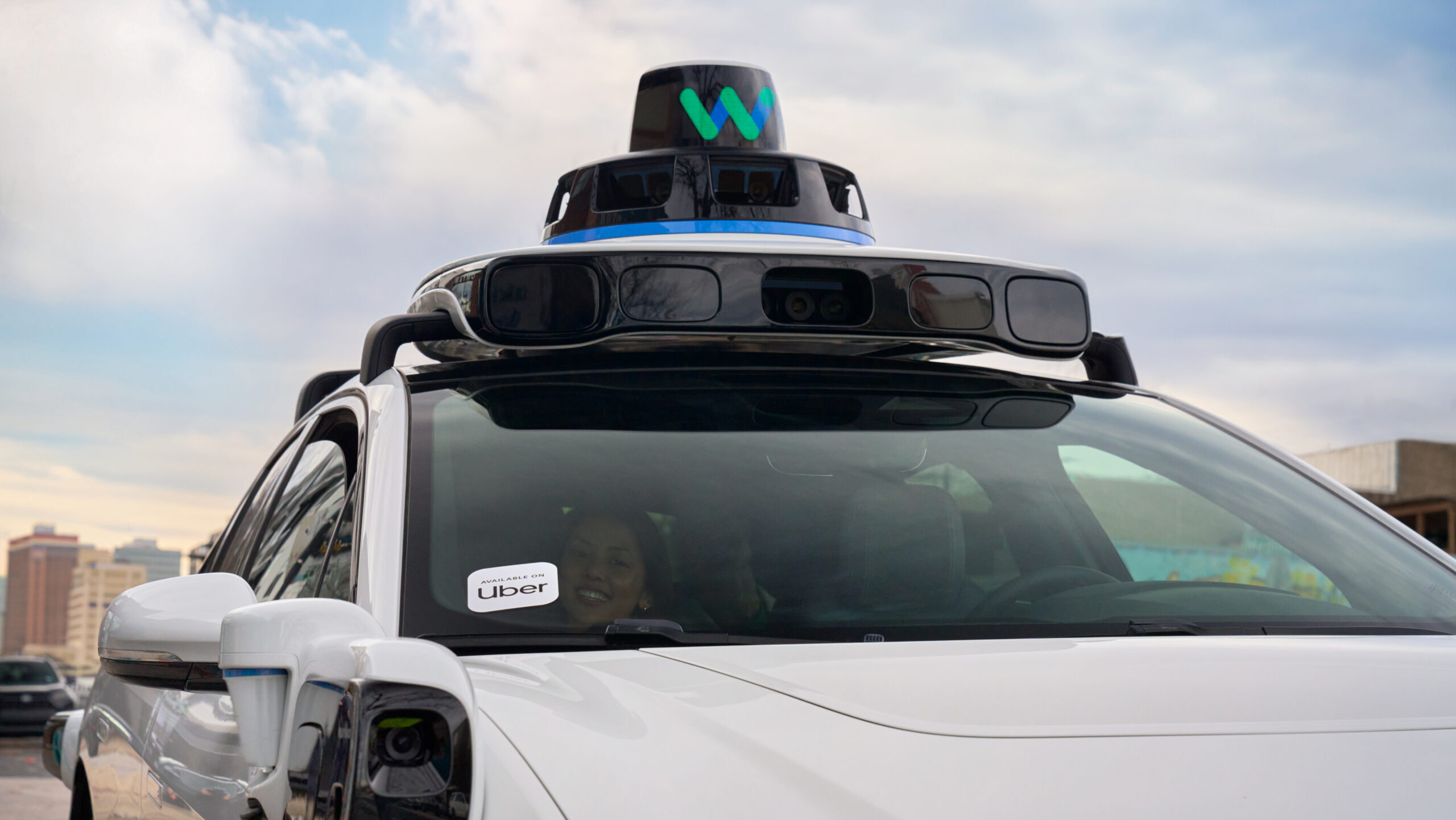
Starting today, if you hail an Uber in Austin, it might not have a driver. Uber is now offering the public the ability to opt in for rides in Waymo’s driverless Jaguars in the city. The Waymo app will no longer be operational in Austin and Uber will be the only way to hail a Waymo ride there. The move is just in time for Austin’s SXSW festival, which is expected to bring in 300,000 people to the city.

Uber says such Waymo rides will be available in Atlanta next. Last fall, Uber and Google-owned Waymo announced their plan to team up on driverless rides in Austin and Atlanta in 2025 .

That means Uber and Waymo have beaten Tesla, which is headquartered in the city, to the market. On its January earnings call, Tesla Technoking Elon Musk said that Tesla’s own paid self-driving car service would be available in Austin in June. “Teslas will be in the wild with no one in them in June in Austin,” Musk said.

Of course, Musk has notoriously been optimistic — if not outright wrong — about product timelines.
Uber says such Waymo rides will be available in Atlanta next. Last fall, Uber and Google-owned Waymo announced their plan to team up on driverless rides in Austin and Atlanta in 2025 .

That means Uber and Waymo have beaten Tesla, which is headquartered in the city, to the market. On its January earnings call, Tesla Technoking Elon Musk said that Tesla’s own paid self-driving car service would be available in Austin in June. “Teslas will be in the wild with no one in them in June in Austin,” Musk said.

Of course, Musk has notoriously been optimistic — if not outright wrong — about product timelines.
More Tech

See all Tech
tech

Cybertruck battery material supplier writes down Tesla deal by 99%

South Korea’s L&F Co., a supplier of battery material for Tesla’s “apocalypse-proof” Cybertruck, has written down the value of its Tesla contract by more than 99%, Bloomberg reports — another sign that Cybertruck sales are faltering.

The company cited changes in supply quantities, slashing a contract valued at nearly $3 billion in 2023 to about $7,000 now.

tech

Estimates for Tesla’s Q4 deliveries are declining

Analysts across the board are expecting Tesla’s fourth-quarter deliveries to decline from last year, as record deliveries fueled by the end of the EV tax credit come to grips with the actual end of the EV tax credit. And as the end of the quarter nears, estimates have sunk further.

Currently the FactSet consensus estimate expects Tesla to deliver 449,000 vehicles in Q4, down 9.5% from last year’s 496,000 and down from 450,000 earlier this month. Bloomberg now pegs the number at 445,000, down from a 448,000 consensus estimate at the start of December.

Prediction markets are even less bullish. The market-implied odds derived through event contracts show that less than a quarter of traders believe Tesla will surpass 430,000 deliveries in the quarter ending December. The actual delivery numbers are expected to be released in early January.

(Event contracts are offered through Robinhood Derivatives, LLC — probabilities referenced or sourced from KalshiEx LLC or ForecastEx LLC.)

Currently the FactSet consensus estimate expects Tesla to deliver 449,000 vehicles in Q4, down 9.5% from last year’s 496,000 and down from 450,000 earlier this month. Bloomberg now pegs the number at 445,000, down from a 448,000 consensus estimate at the start of December.

Prediction markets are even less bullish. The market-implied odds derived through event contracts show that less than a quarter of traders believe Tesla will surpass 430,000 deliveries in the quarter ending December. The actual delivery numbers are expected to be released in early January.

(Event contracts are offered through Robinhood Derivatives, LLC — probabilities referenced or sourced from KalshiEx LLC or ForecastEx LLC.)

tech
Jon Keegan

Chinese AI chatbots reportedly must answer 2,000 questions, prove censorship compliance

For American companies building AI today, its basically a free-for-all, a self-regulation zone with zero federal restrictions.

But for Chinese AI companies, the Chinese Communist Party exerts strict control over what models get released and what questions they cannot answer.

A report in The Wall Street Journal details the rigorous tests that AI models are subjected to before being released on the global stage to compete with Western AI models.

AI models must answer 2,000 questions that are frequently updated and achieve a 95% refusal rate for queries related to forbidden topics, like the Tiananmen Square massacre or human rights violations, according to the report.

The strict regulatory framework does have some safety advantages, such as preventing chatbots from sharing violent or pornographic material as well as protections from self-harm, an issue that American AI companies are currently wrestling with.

A report in The Wall Street Journal details the rigorous tests that AI models are subjected to before being released on the global stage to compete with Western AI models.

AI models must answer 2,000 questions that are frequently updated and achieve a 95% refusal rate for queries related to forbidden topics, like the Tiananmen Square massacre or human rights violations, according to the report.

The strict regulatory framework does have some safety advantages, such as preventing chatbots from sharing violent or pornographic material as well as protections from self-harm, an issue that American AI companies are currently wrestling with.

tech

Report: OpenAI has started mocking up what ads in ChatGPT could look like

2025 saw OpenAI ink a flurry of massive deals. To pay for it all, the company has realized that it can’t get there on $20-per-month subscriptions alone; it also needs to monetize its hundreds of millions of free users.

To this end, despite repeatedly denying that ads are coming to ChatGPT, a new report says OpenAI is actually working through all those details.

Citing people familiar with the discussions, The Information reports employees have discussed different ways to prioritize sponsored information in ChatGPT in response to relevant queries.

Since ChatGPT burst onto the scene in late 2022, its offerings have been ad-free, relying instead on a freemium subscription model. But with Google recently telling advertisers it plans to bring ads to Gemini next year, and with OpenAI burning through truckloads of cash, the pressure to follow suit is growing.

OpenAI is looking at its AI model-developing competitors Meta and Google, which are pulling in hundreds of billions of dollars per year in advertising revenue, to arrive at this conclusion. It’s also seemingly inspired by Amazon’s (and Google’s) idea of sponsored product placement.

Per the report, in addition to trying to build new kinds of ad units, OpenAI is considering a few options:

  • Leaning into chats that are clearly about buying a product and giving priority placement to sponsored results — though this works out to only about 2.1% of queries, according to OpenAI.

  • Showing ads based on the treasure trove of information it has on users, by mining their chat histories.

  • A “sponsored” sidebar showing ads related to the conversation.

But the company realizes it has to be careful to not turn off users, who might not trust a chatbot that peppers sensitive conversations with ads.

Citing people familiar with the discussions, The Information reports employees have discussed different ways to prioritize sponsored information in ChatGPT in response to relevant queries.

Since ChatGPT burst onto the scene in late 2022, its offerings have been ad-free, relying instead on a freemium subscription model. But with Google recently telling advertisers it plans to bring ads to Gemini next year, and with OpenAI burning through truckloads of cash, the pressure to follow suit is growing.

OpenAI is looking at its AI model-developing competitors Meta and Google, which are pulling in hundreds of billions of dollars per year in advertising revenue, to arrive at this conclusion. It’s also seemingly inspired by Amazon’s (and Google’s) idea of sponsored product placement.

Per the report, in addition to trying to build new kinds of ad units, OpenAI is considering a few options:

  • Leaning into chats that are clearly about buying a product and giving priority placement to sponsored results — though this works out to only about 2.1% of queries, according to OpenAI.

  • Showing ads based on the treasure trove of information it has on users, by mining their chat histories.

  • A “sponsored” sidebar showing ads related to the conversation.

But the company realizes it has to be careful to not turn off users, who might not trust a chatbot that peppers sensitive conversations with ads.

Latest Stories

Sherwood Media, LLC produces fresh and unique perspectives on topical financial news and is a fully owned subsidiary of Robinhood Markets, Inc., and any views expressed here do not necessarily reflect the views of any other Robinhood affiliate, including Robinhood Markets, Inc., Robinhood Financial LLC, Robinhood Securities, LLC, Robinhood Crypto, LLC, or Robinhood Money, LLC.