Business
Aston Martin: The British automaker is still struggling

Aston Martin: The British automaker is still struggling

Shares in esteemed sportscar manufacturer Aston Martin soared 22% yesterday, after Chinese automotive company Geely announced an investment of £234m (~$290m) in the beleaguered British brand. The deal increases Geely’s stake in the company to 17%, completing a roster of high-profile shareholders that includes Canadian businessman Lawrence Stroll, whose consortium owns a substantial 21%, and the Saudi Arabia Public Investment Fund, which holds 18%.

Shaken, undeterred

Aston Martin has always positioned itself as the epitome of luxury; with its smooth, powerful and sleek cars winning fans around the world as James Bond’s go-to getaway car. But the company’s own corporate history is anything but smooth. The 110-year-old company has maneuvered its way through 7 bankruptcies in its history – with some of its most difficult years coming after its disastrous 2018 IPO. Since going public, Aston Martin’s shares have cratered, as investors lost faith that the company would be able to get its mountain of debt under control at the same time as launching its first ever SUV and its $3m hypercar Valkyrie.

Expensive cars, cheap shares

The latest deal is not the first time Geely has shown interest in owning the brand. In 2020, Aston’s board opted for a deal from Lawrence Stroll, rather than a rival bid from Geely, to try and rescue the company. Under his leadership, the company has continued with an ambitious turnaround plan, most notably re-entering the sport of Formula 1, just as the sport’s popularity was soaring. However, despite an average selling price north of $250k per car, persistent cost overruns have meant big losses for Aston Martin - forcing the company back to the negotiating table to raise cash over and over again, at increasingly deep discounts.

More Business

See all Business
The entrance of Allbirds seen from Hayes St. in San Francisco, Calif.

Allbirds, the once buzzy multibillion-dollar sneaker startup, is selling up for $39 million

That’s less than 1% of its peak market cap about four years ago.

business

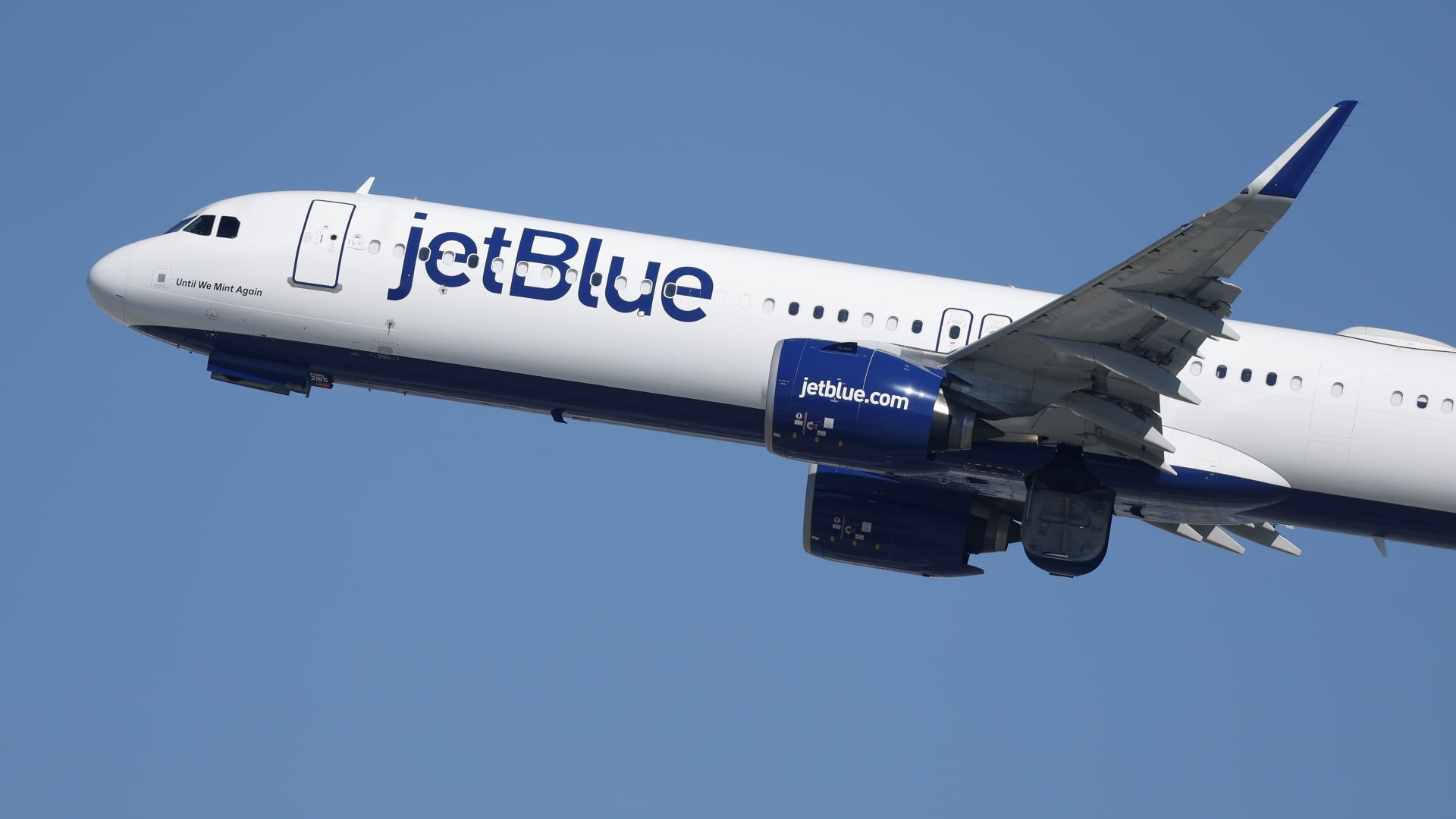
JetBlue is raising its bag fees as fuel costs squeeze airlines

JetBlue will reportedly hike its bag fees, as the cost of jet fuel continues to climb amid the war in Iran. It’s the latest example of carriers finding ways to push rising costs onto travelers.

Last week, United Airlines CEO Scott Kirby said that if fuel prices remain elevated, fares would need to rise another 20% for his airline to break even this year.

As CNBC reported, when one airline raises fees, others tend to follow.

Earlier this month, JetBlue hiked its first-quarter outlook for operating revenue per seat mile to between 5% and 7%, saying that strong Q1 demand helped “partially offset additional expenses realized from operational disruptions and rising fuel costs.” Now, the carrier appears to be making moves to further boost revenue to offset those costs.

Earlier on Monday, JetBlue rival Alaska Air lowered its Q1 profit forecast. The refining margins for the carrier’s cheapest fuel option — sourced from Singapore and representing about 20% of Alaska’s overall supply — have spiked 400% since February.

JetBlue did not immediately respond to a request for comment.

As CNBC reported, when one airline raises fees, others tend to follow.

Earlier this month, JetBlue hiked its first-quarter outlook for operating revenue per seat mile to between 5% and 7%, saying that strong Q1 demand helped “partially offset additional expenses realized from operational disruptions and rising fuel costs.” Now, the carrier appears to be making moves to further boost revenue to offset those costs.

Earlier on Monday, JetBlue rival Alaska Air lowered its Q1 profit forecast. The refining margins for the carrier’s cheapest fuel option — sourced from Singapore and representing about 20% of Alaska’s overall supply — have spiked 400% since February.

JetBlue did not immediately respond to a request for comment.

Latest Stories

Sherwood Media, LLC produces fresh and unique perspectives on topical financial news and is a fully owned subsidiary of Robinhood Markets, Inc., and any views expressed here do not necessarily reflect the views of any other Robinhood affiliate, including Robinhood Markets, Inc., Robinhood Financial LLC, Robinhood Securities, LLC, Robinhood Crypto, LLC, Robinhood Derivatives, LLC, or Robinhood Money, LLC. Futures and event contracts are offered through Robinhood Derivatives, LLC.