Business
Burrito Season: Chipotle is looking for new recruits, to help wrap up its busy season

Burrito Season: Chipotle is looking for new recruits, to help wrap up its busy season

Seeking spicemakers

Last week Chipotle announced it was looking to hire 15,000 new employees in the next few months, as the fast-Mexican restaurant looks to beef up its workforce ahead of what it calls “burrito season” — its busiest period of the year, running from March to May.

Chipotle may struggle to fill its open positions, as hiring remains difficult across the industry. Taco Bell has more than 25,000 open roles advertised on its site, Starbucks has more than 10,000 and employment in the restaurant industry as a whole remains down nearly 4% on pre-pandemic levels. Indeed, a November survey of the National Restaurant Association found that 62% of restaurant operators said they didn't have enough employees to meet customer demand, as potential employees shirk the sector.

Although Chipotle’s hiring spree is likely only temporary, the company is still in growth mode. Company execs are planning to open another 285 new restaurants this year — nearly one-per-day — as they look to topple Taco Bell, the country’s largest Mexican-inspired food chain. But, apart from obviously different menus and focus, Taco Bell and Chipotle also have incredibly different business models.

Taco Bell is run like a traditional franchise. Owned by fast food giant Yum! Brands, which also owns KFC and Pizza Hut, just 7% of the Taco Bell locations in the US are run by the company itself, with the rest franchised out to independent operators. That’s a pretty standard model employed by many of the major chains, including McDonalds, Subway and Domino’s. Chipotle does things differently, owning and operating all of their stores — giving them closer control of each restaurant.

More Business

See all Business
The entrance of Allbirds seen from Hayes St. in San Francisco, Calif.

Allbirds, the once buzzy multibillion-dollar sneaker startup, is selling up for $39 million

That’s less than 1% of its peak market cap about four years ago.

Tom Jones3/31/26
business

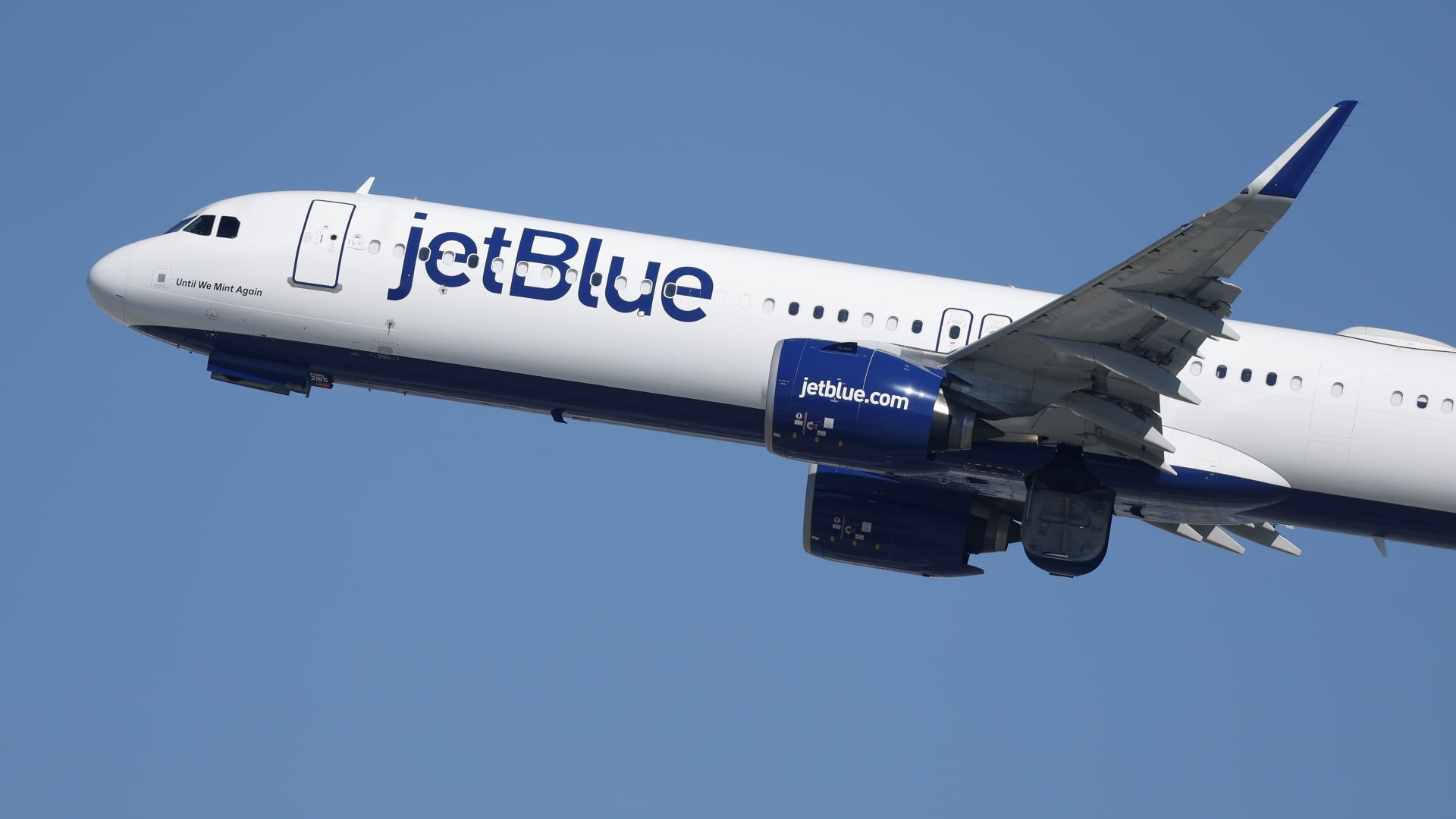
JetBlue is raising its bag fees as fuel costs squeeze airlines

JetBlue will reportedly hike its bag fees, as the cost of jet fuel continues to climb amid the war in Iran. It’s the latest example of carriers finding ways to push rising costs onto travelers.

Last week, United Airlines CEO Scott Kirby said that if fuel prices remain elevated, fares would need to rise another 20% for his airline to break even this year.

As CNBC reported, when one airline raises fees, others tend to follow.

Earlier this month, JetBlue hiked its first-quarter outlook for operating revenue per seat mile to between 5% and 7%, saying that strong Q1 demand helped “partially offset additional expenses realized from operational disruptions and rising fuel costs.” Now, the carrier appears to be making moves to further boost revenue to offset those costs.

Earlier on Monday, JetBlue rival Alaska Air lowered its Q1 profit forecast. The refining margins for the carrier’s cheapest fuel option — sourced from Singapore and representing about 20% of Alaska’s overall supply — have spiked 400% since February.

JetBlue did not immediately respond to a request for comment.

As CNBC reported, when one airline raises fees, others tend to follow.

Earlier this month, JetBlue hiked its first-quarter outlook for operating revenue per seat mile to between 5% and 7%, saying that strong Q1 demand helped “partially offset additional expenses realized from operational disruptions and rising fuel costs.” Now, the carrier appears to be making moves to further boost revenue to offset those costs.

Earlier on Monday, JetBlue rival Alaska Air lowered its Q1 profit forecast. The refining margins for the carrier’s cheapest fuel option — sourced from Singapore and representing about 20% of Alaska’s overall supply — have spiked 400% since February.

JetBlue did not immediately respond to a request for comment.

Latest Stories

Sherwood Media, LLC produces fresh and unique perspectives on topical financial news and is a fully owned subsidiary of Robinhood Markets, Inc., and any views expressed here do not necessarily reflect the views of any other Robinhood affiliate, including Robinhood Markets, Inc., Robinhood Financial LLC, Robinhood Securities, LLC, Robinhood Crypto, LLC, Robinhood Derivatives, LLC, or Robinhood Money, LLC. Futures and event contracts are offered through Robinhood Derivatives, LLC.