Business
Robinhood's reputation: Users are not happy with the trading app

Robinhood's reputation: Users are not happy with the trading app

A reputation can take 20 years to build — and 5 minutes to ruin. That quote from legendary investor Warren Buffett would probably strike a nerve at the headquarters of trading platform Robinhood at the moment, as users continue to complain about the app briefly restricting buying on a few key shares — including GameStop. In recent days those complaints have been flooding the App Stores, with thousands of negative reviews posted in the last few days alone.

Robinhood's reputation may not be 20 years-old, but since its founding back in 2013 its mission statement: "to democratize finance for all [with a belief] that everyone should have access to the financial markets" has certainly lost some credibility after restricting buying only on certain stocks.

Robinhood's CEO, Vlad Tenev, has reported that its equities clearing house called him at 3:30 am last week, asking Robinhood to put up $3bn of capital. That forced Robinhood to do its second quick whip round from investors, raising another $2.4bn from investors on Monday — on top of the $1bn they had raised the previous week.

‍**T+2?**‍

Robinhood has since relaxed some of the restrictions on certain stocks — now allowing retail investors to buy up to 100 GameStop shares, up from a previous limit of 20. The CEO has also written a blog post outlining why he believes the real culprit of this entire saga is the US two-day trade settlement period, known as T+2, which means that brokers like Robinhood have to meet deposit requirements, tying up their capital on behalf of their investors, until the trades actually settle two days later.

Whether Robinhood could have managed things differently is hard to know, but for Robinhood's brand it almost doesn't matter — the damage appears to be done.

More Business

See all Business
business

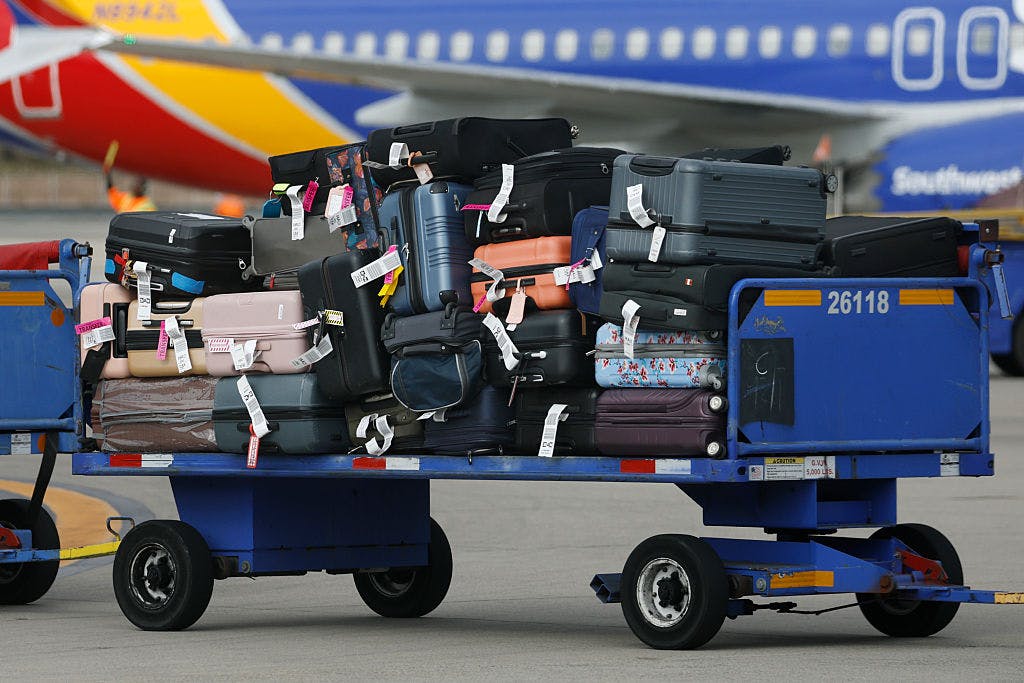
American Airlines joins the flock, hiking bag fees amid higher jet fuel prices

American Airlines on Thursday announced that it, too, will be hiking the fees it charges customers to check luggage.

With the move, all four of the major US airlines, which together control about 80% of the US market, have now hiked their baggage fees in recent days amid surging jet fuel prices.

The change will go into effect on tickets bought on or after Thursday, the same day Southwest’s hike begins.

Since late March, JetBlue, Delta Air Lines, United Airlines, Canada’s WestJet, and Southwest have hiked their fees. Experts expect more major carriers to follow, and to potentially tweak the pricing of other ancillary revenue sources like seat assignments and carry-on luggage.

The change will go into effect on tickets bought on or after Thursday, the same day Southwest’s hike begins.

Since late March, JetBlue, Delta Air Lines, United Airlines, Canada’s WestJet, and Southwest have hiked their fees. Experts expect more major carriers to follow, and to potentially tweak the pricing of other ancillary revenue sources like seat assignments and carry-on luggage.

business

Less than a year after implementing them, Southwest is also hiking its bag fees

Southwest Airlines has joined the growing list of airlines opting to hike their bag fees amid sustained higher jet fuel costs.

Starting today, the first checked bag at the carrier — which implemented bag fees less than a year ago — will jump from $35 to $45, and the second from $45 to $55. Southwest quietly disclosed the change Tuesday.

Southwest assigned the decision to “part of an ongoing analysis of the business and against the evolving global backdrop.”

As of Wednesday, jet fuel prices dropped to $4.16 a gallon, per the Argus US Jet Fuel Index, down from $4.81 on Tuesday following President Trump’s ceasefire announcement, which sent travel stocks soaring. Major airlines have shed some of those gains in premarket trading Thursday.

With the move to hike bag fees, Southwest joins JetBlue, United Airlines, Delta Air Lines, and Canada’s WestJet, all of which also boosted fees this month. Experts expect more major carriers to follow, and to potentially tweak the pricing of other ancillary revenue sources like seat assignments and carry-on luggage.

Southwest assigned the decision to “part of an ongoing analysis of the business and against the evolving global backdrop.”

As of Wednesday, jet fuel prices dropped to $4.16 a gallon, per the Argus US Jet Fuel Index, down from $4.81 on Tuesday following President Trump’s ceasefire announcement, which sent travel stocks soaring. Major airlines have shed some of those gains in premarket trading Thursday.

With the move to hike bag fees, Southwest joins JetBlue, United Airlines, Delta Air Lines, and Canada’s WestJet, all of which also boosted fees this month. Experts expect more major carriers to follow, and to potentially tweak the pricing of other ancillary revenue sources like seat assignments and carry-on luggage.

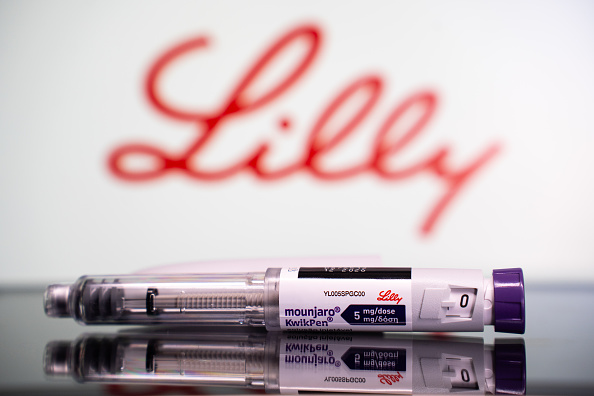
Mounjaro KwikPen Photo Illustrations

Eli Lilly makes the world’s bestselling drug. Can it keep the party going?

Some are starting to worry that Lilly, which for a short time vaulted into the trillion-dollar market cap club, may have hit a plateau.

Latest Stories

Sherwood Media, LLC produces fresh and unique perspectives on topical financial news and is a fully owned subsidiary of Robinhood Markets, Inc., and any views expressed here do not necessarily reflect the views of any other Robinhood affiliate, including Robinhood Markets, Inc., Robinhood Financial LLC, Robinhood Securities, LLC, Robinhood Crypto, LLC, Robinhood Derivatives, LLC, or Robinhood Money, LLC. Futures and event contracts are offered through Robinhood Derivatives, LLC.