Business
Zoom: The video conferencing company had quite a year, but how do the company's prospects look post-pandemic?

Zoom: The video conferencing company had quite a year, but how do the company's prospects look post-pandemic?

Few companies have become as synonymous with the pandemic as Zoom. The video conferencing software that entered most of our lives last March is even starting to enter our language as a verb, much in the same way that Google did for search. Shall we Zoom next week? Yeah, I'm free.

So it's no surprise then that Zoom clocked in a phenomenal $882m of revenue in its latest quarter, up from $188m in its last pre-pandemic quarter — almost a fivefold jump in just a year. That explosive growth even translated into the rarest of things for many fast-growing tech companies — actual profits.

Peak Zoom?

With all that said, the future for Zoom looks slightly less exciting. In their earnings release this week, Zoom indicated to investors that they expect revenue to clock in at just under $3.8bn for the coming 12 months. If that estimate is correct, as the chart shows, it would represent a pretty sizeable slowdown in growth, with revenue expected to grow just ~2% in the next quarter Zoom reports.

Zoom fatigue

It's possible that Zoom management are just trying to be conservative after a stellar year, but it's also true that Zoom fatigue is a very real thing (a recent Stanford study actually found 4 reasons as to why we feel so tired after hours of video calls).

Ask 5 people what they think the future of work looks like, and you'll probably get 5 different answers. For Zoom to keep growing it needs to hope two things happen. The first is that the use of video calls sticks around at this elevated level, and the second is that a bigger tech company doesn't come and eat their lunch in an industry where brand loyalty is unlikely to be very strong.

More Business

See all Business
business

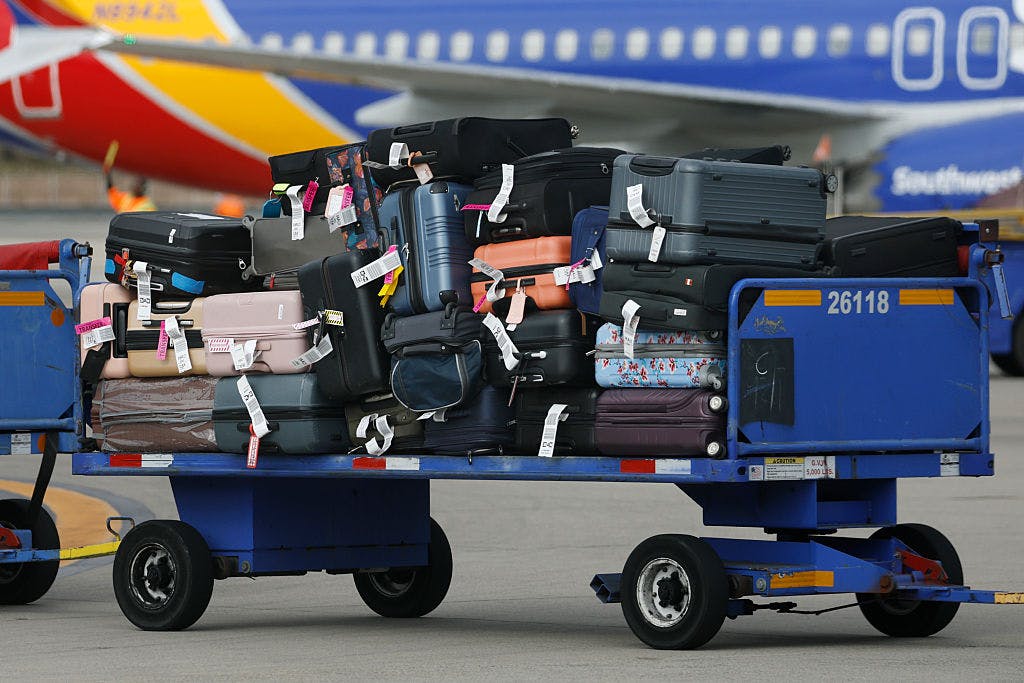
American Airlines joins the flock, hiking bag fees amid higher jet fuel prices

American Airlines on Thursday announced that it, too, will be hiking the fees it charges customers to check luggage.

With the move, all four of the major US airlines, which together control about 80% of the US market, have now hiked their baggage fees in recent days amid surging jet fuel prices.

The change will go into effect on tickets bought on or after Thursday, the same day Southwest’s hike begins.

Since late March, JetBlue, Delta Air Lines, United Airlines, Canada’s WestJet, and Southwest have hiked their fees. Experts expect more major carriers to follow, and to potentially tweak the pricing of other ancillary revenue sources like seat assignments and carry-on luggage.

The change will go into effect on tickets bought on or after Thursday, the same day Southwest’s hike begins.

Since late March, JetBlue, Delta Air Lines, United Airlines, Canada’s WestJet, and Southwest have hiked their fees. Experts expect more major carriers to follow, and to potentially tweak the pricing of other ancillary revenue sources like seat assignments and carry-on luggage.

business

Less than a year after implementing them, Southwest is also hiking its bag fees

Southwest Airlines has joined the growing list of airlines opting to hike their bag fees amid sustained higher jet fuel costs.

Starting today, the first checked bag at the carrier — which implemented bag fees less than a year ago — will jump from $35 to $45, and the second from $45 to $55. Southwest quietly disclosed the change Tuesday.

Southwest assigned the decision to “part of an ongoing analysis of the business and against the evolving global backdrop.”

As of Wednesday, jet fuel prices dropped to $4.16 a gallon, per the Argus US Jet Fuel Index, down from $4.81 on Tuesday following President Trump’s ceasefire announcement, which sent travel stocks soaring. Major airlines have shed some of those gains in premarket trading Thursday.

With the move to hike bag fees, Southwest joins JetBlue, United Airlines, Delta Air Lines, and Canada’s WestJet, all of which also boosted fees this month. Experts expect more major carriers to follow, and to potentially tweak the pricing of other ancillary revenue sources like seat assignments and carry-on luggage.

Southwest assigned the decision to “part of an ongoing analysis of the business and against the evolving global backdrop.”

As of Wednesday, jet fuel prices dropped to $4.16 a gallon, per the Argus US Jet Fuel Index, down from $4.81 on Tuesday following President Trump’s ceasefire announcement, which sent travel stocks soaring. Major airlines have shed some of those gains in premarket trading Thursday.

With the move to hike bag fees, Southwest joins JetBlue, United Airlines, Delta Air Lines, and Canada’s WestJet, all of which also boosted fees this month. Experts expect more major carriers to follow, and to potentially tweak the pricing of other ancillary revenue sources like seat assignments and carry-on luggage.

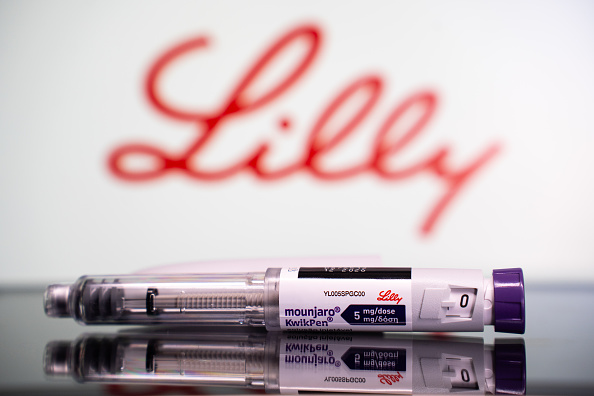
Mounjaro KwikPen Photo Illustrations

Eli Lilly makes the world’s bestselling drug. Can it keep the party going?

Some are starting to worry that Lilly, which for a short time vaulted into the trillion-dollar market cap club, may have hit a plateau.

Latest Stories

Sherwood Media, LLC produces fresh and unique perspectives on topical financial news and is a fully owned subsidiary of Robinhood Markets, Inc., and any views expressed here do not necessarily reflect the views of any other Robinhood affiliate, including Robinhood Markets, Inc., Robinhood Financial LLC, Robinhood Securities, LLC, Robinhood Crypto, LLC, Robinhood Derivatives, LLC, or Robinhood Money, LLC. Futures and event contracts are offered through Robinhood Derivatives, LLC.