

Hims enters a “strategic pivot” following blowback from its copycat Wegovy pill
After selling compounded GLP-1 drugs for two years, Hims is launching an expensive shift to branded treatments.
Hims & Hers, which made a fortune selling compounded GLP-1s for the past two years, now says it has turned a new chapter.
The company reported first-quarter earnings on Monday that missed expectations, taking a big hit from costs associated with moving away from its own compounded weight-loss products and toward branded treatments sold by Novo Nordisk and Eli Lilly.
Traders smashed the sell button, sending the stock down 12% in early trading on Tuesday. That nearly doubled the stock’s year-to-date decline to 23%.
The company began selling knockoff Wegovy in May 2024, when it was allowed to because the drug was in a shortage. But it continued to do so after the drug was taken off the shortage list, saying it was offering a “personalized” version of the drug that met a clinical need that Novo couldn’t with its prefilled pens. The compounded vials appeared in Hims’ 2025 Super Bowl commercial.
In January, Novo’s Wegovy pill came to market and immediately showed signs that it was expanding the GLP-1 market. Weeks later, Hims rolled out a copy of the pill.
That would become the straw that broke the camel’s back: Novo sued Hims for patent infringement; the Securities and Exchange Commission opened an inquiry into Hims’ compounding practices; the Department of Health and Human Services said it had referred Hims to the Justice Department.
Eventually, Novo dropped the lawsuit and Hims agreed to no longer market its own knockoff products, instead offering Novo’s branded products on its platform. (The SEC proceedings are ongoing and the DOJ has not launched a formal proceeding, Hims said Monday.)
The pivot cost Hims $33 million in the first quarter, primarily consisting of “write-downs related to our compounded GLP-1 supply chain that now face risk of obsolescence,” Hims CFO Yemi Okupe told analysts. The company had invested heavily in those compounding operations, only to abandon them as it pivots toward branded drugs.
Hims also reported its least profitable quarter in years on a gross margin basis, in large part because it is shipping branded products every month as opposed to multi-month batches, as it did with its compounded products.
It was likely not a surprise to Hims that selling Novo’s products would have worse unit economics, but Okupe said selling branded products has the potential to bring more people onto the platform who may purchase other products as well. Hims is on track to add more than 100,000 new subscribers per month to its weight-loss segment since adding branded Wegovy, Okupe said.
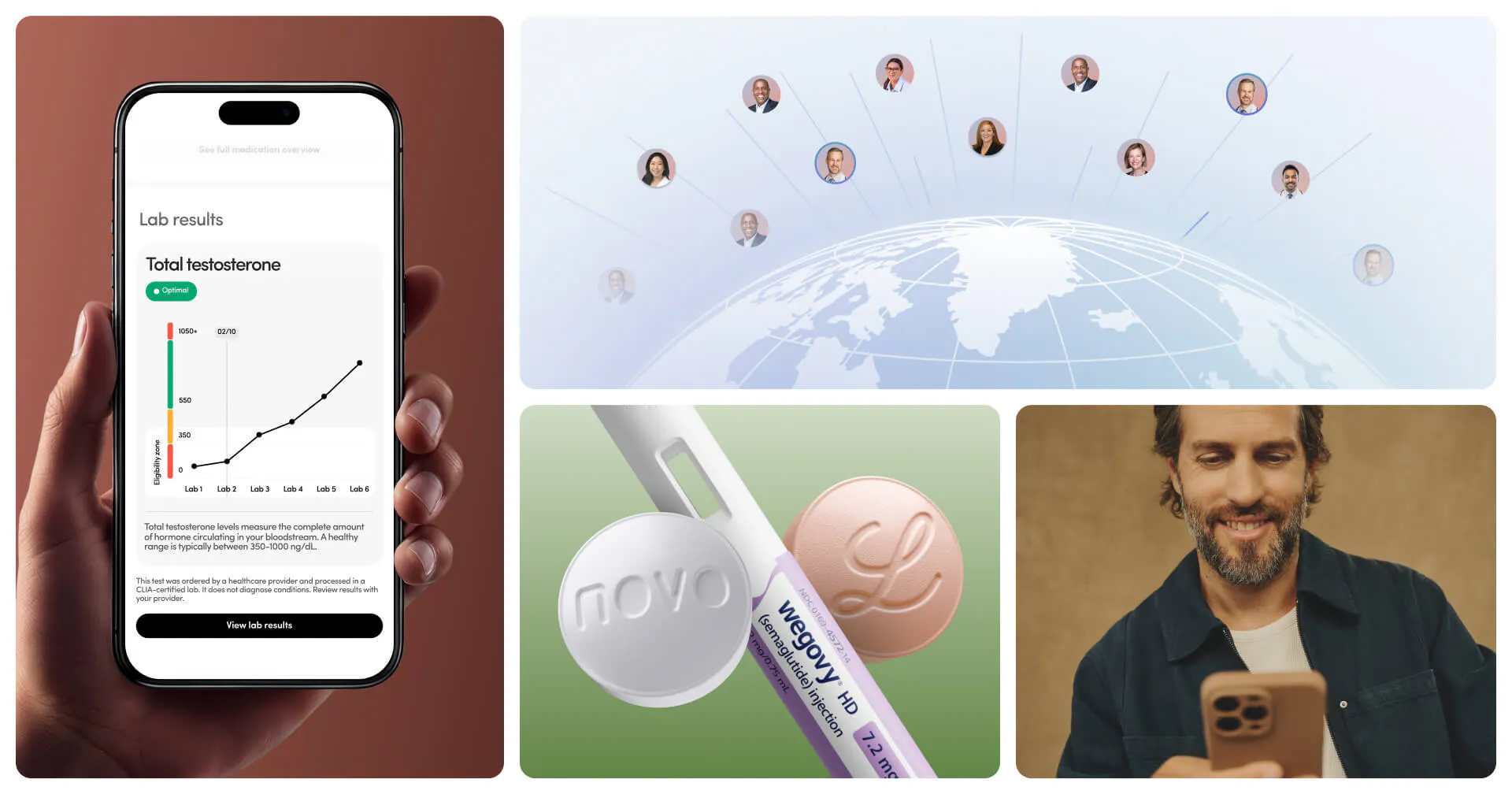
The company is now looking beyond GLP-1s to fuel growth. In the past year, it launched hormone treatments and a lab product, and has expanded to international markets.
The company has signaled that it will sell peptides once the Food and Drug Administration lifts restrictions on them. Hims CEO Andrew Dudum teased potentially making its own wearable device.
“The focus right now for the company is to become the default health and wellness provider in the US and establish a leadership position,” Okupe said.
Hims did not immediately respond to a request for comment.




