

Tech
tech
Jon Keegan

Anthropic projections for 2028: Up to $70 billion in revenue, could be profitable by 2027

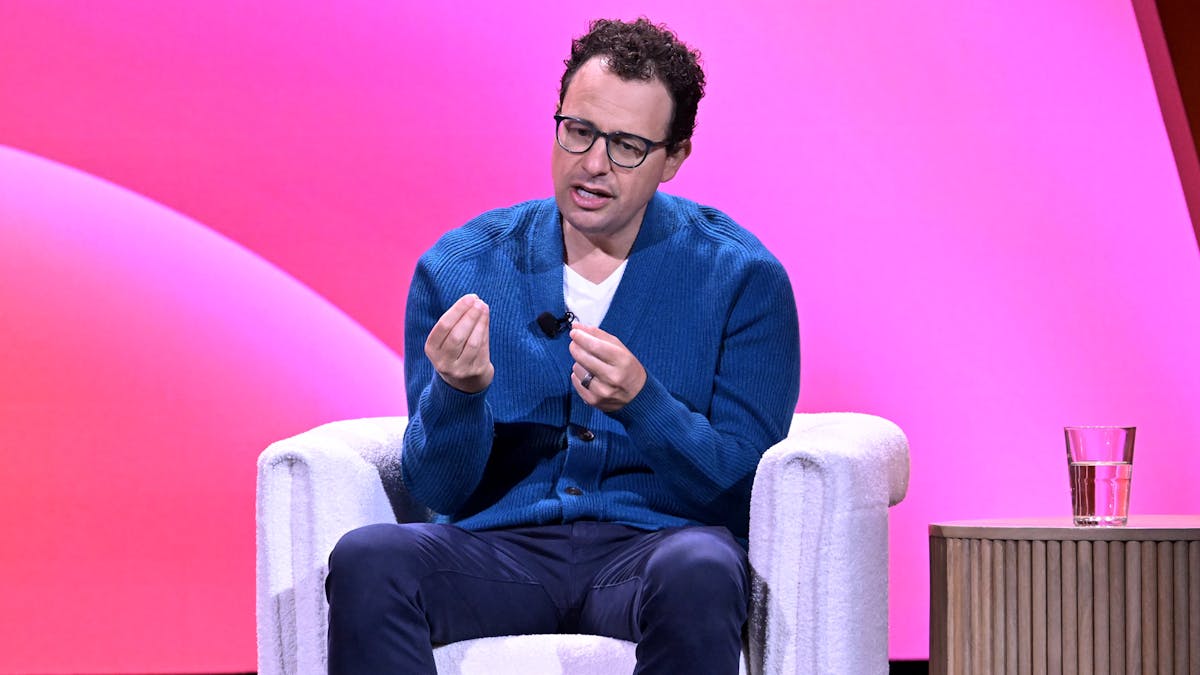
Anthropic’s Claude API business is doing so well with enterprise customers, the company is upping its revenue forecasts significantly. According to a report from The Information, the company’s robust corporate sales have caused it to revise its most optimistic forecast up to $70 billion in sales by 2028.

Anthropic estimates its API business will be double that of OpenAI’s API sales. OpenAI is currently burning through much more money per month than Anthropic, and reportedly expects to spend as much as $115 billion through 2029, while Anthropic is forecasting that it could be cash positive by 2027, per the report.
Anthropic estimates its API business will be double that of OpenAI’s API sales. OpenAI is currently burning through much more money per month than Anthropic, and reportedly expects to spend as much as $115 billion through 2029, while Anthropic is forecasting that it could be cash positive by 2027, per the report.
More Tech

See all Tech
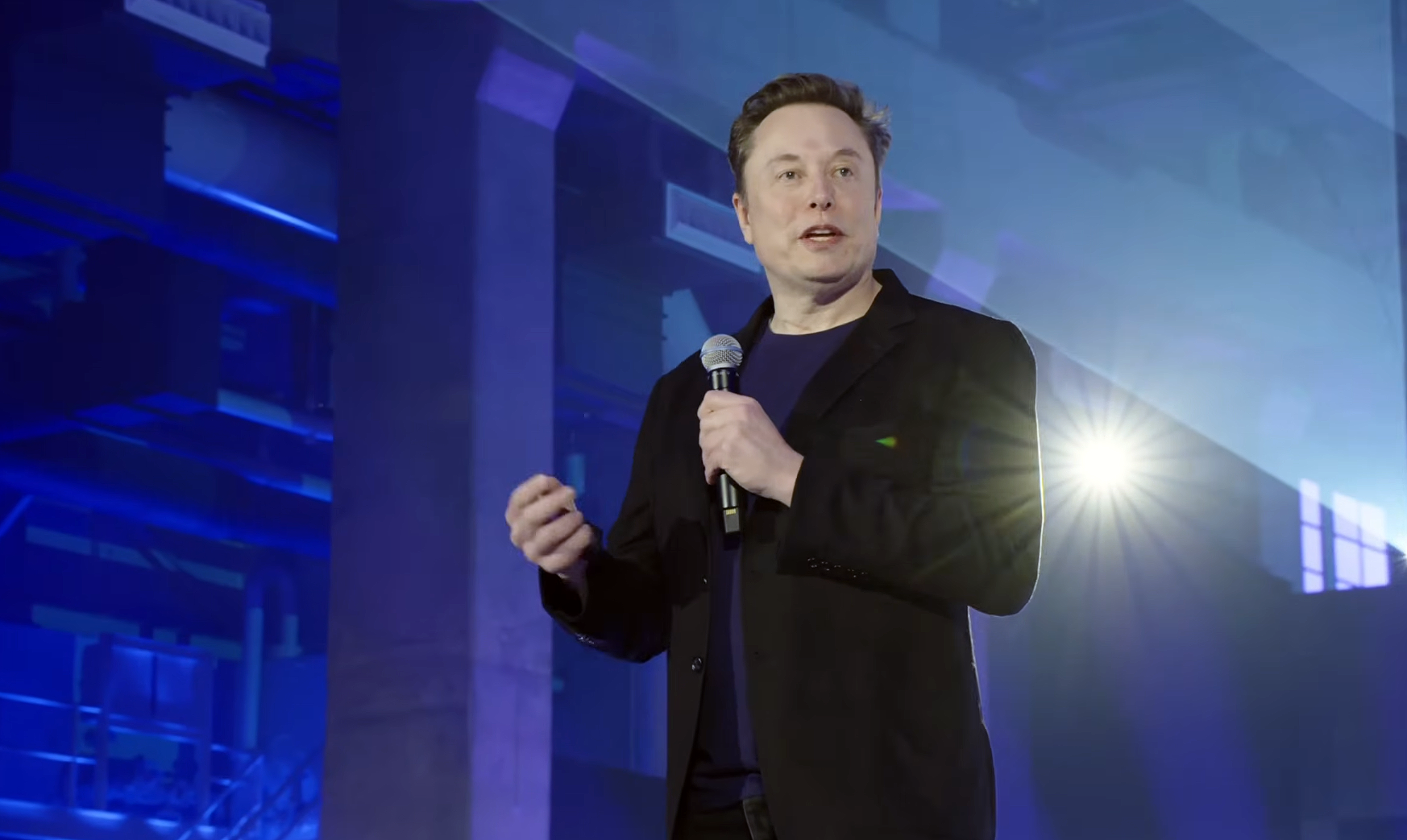
Elon Musk at Terafab keynote

Musk’s Terafab might be his most technically difficult challenge yet

One does not simply start fabricating semiconductors.

tech

Alphabet’s drone delivery startup, Wing, expands service to the Bay Area

Move over Waymo — another one of Alphabet’s “Other Bets” is expanding. Drone delivery company Wing said Monday it’s bringing its “ultra-fast residential drone delivery service” to the Bay Area, where autonomous ride-hailing service Waymo also has a sizable presence.

tech

Tesla and SpaceX to jointly run “most epic chip-building exercise in history by far”

In the latest instance that Elon Musk views Tesla and SpaceX as effectively one company, the CEO of both announced Saturday that the two firms will join forces on his Terafab project — what Musk says will be “the most epic chip-building exercise in history by far.”

Many of the details mirror what we reported last week, with one major addition: SpaceX will play a leading role.

Terafab, whose location is still under consideration as the facility would be too big to fit on the Giga Texas campus, aims to vertically integrate the entire chipmaking process, from design and fabrication to testing and packaging. The goal is to supply AI chips to Tesla, SpaceX, and its subsidiary xAI, Musk’s AI company, whose suppliers Musk said will be unable to handle their demand in “three or four years.” While Tesla has designed its own chips, it has never manufactured them.

Musk said the facility is intended to produce up to 1 terawatt of compute annually. The plant will manufacture two types of chips: inference chips for Tesla’s Robotaxis and Optimus robots, and custom AI chips intended for space-based applications like solar-powered AI satellites. According to Musk, roughly 80% of the compute will be allocated to space-related uses, with the remaining 20% supporting projects on Earth.

Morgan Stanley has estimated the project could cost Tesla an additional $35 billion to $45 billion in capital expenditure, though now perhaps some of that capex might be shared with SpaceX. Like many of Musk’s ambitions, the project is enormous in scale and will likely to take years to complete — potentially into the end of the decade or beyond.

tech
Jon Keegan

White House releases AI legislative framework

The White House has released its policy wish list for AI legislation — and what it wants excluded.

Still, the odds of any actual AI regulation getting passed in Congress right now are very slim.

The “National Policy Framework” for AI lays out seven issues that the Trump administration wants to see reflected in any congressional action around AI.

The items listed in the framework include:

  • Child safety protections, age verification, and parental controls for AI.

  • Data center projects voluntarily pay their own way when it comes to power, but incentives should still be encouraged.

  • Copyright laws should allow for training models on copyrighted works, while protecting individuals’ voice and likeness.

  • Free speech should be defended for AI systems, preventing the government from pressuring companies to ban or alter content based on partisan agendas.

  • A light touch to regulation to encourage innovation, and no federal agency to regulate AI.

  • American workers vulnerable to AI job replacement should be retrained and supported.

  • Federal AI rules should preempt any state AI legislation to prevent a patchwork of laws that companies would hate.

The policy list is the latest in a series of proposals from the AI-friendly Trump administration.

The items listed in the framework include:

  • Child safety protections, age verification, and parental controls for AI.

  • Data center projects voluntarily pay their own way when it comes to power, but incentives should still be encouraged.

  • Copyright laws should allow for training models on copyrighted works, while protecting individuals’ voice and likeness.

  • Free speech should be defended for AI systems, preventing the government from pressuring companies to ban or alter content based on partisan agendas.

  • A light touch to regulation to encourage innovation, and no federal agency to regulate AI.

  • American workers vulnerable to AI job replacement should be retrained and supported.

  • Federal AI rules should preempt any state AI legislation to prevent a patchwork of laws that companies would hate.

The policy list is the latest in a series of proposals from the AI-friendly Trump administration.

Latest Stories

Sherwood Media, LLC produces fresh and unique perspectives on topical financial news and is a fully owned subsidiary of Robinhood Markets, Inc., and any views expressed here do not necessarily reflect the views of any other Robinhood affiliate, including Robinhood Markets, Inc., Robinhood Financial LLC, Robinhood Securities, LLC, Robinhood Crypto, LLC, Robinhood Derivatives, LLC, or Robinhood Money, LLC. Futures and event contracts are offered through Robinhood Derivatives, LLC.