

Tech
tech
Rani Molla

Meta freezes AI hiring

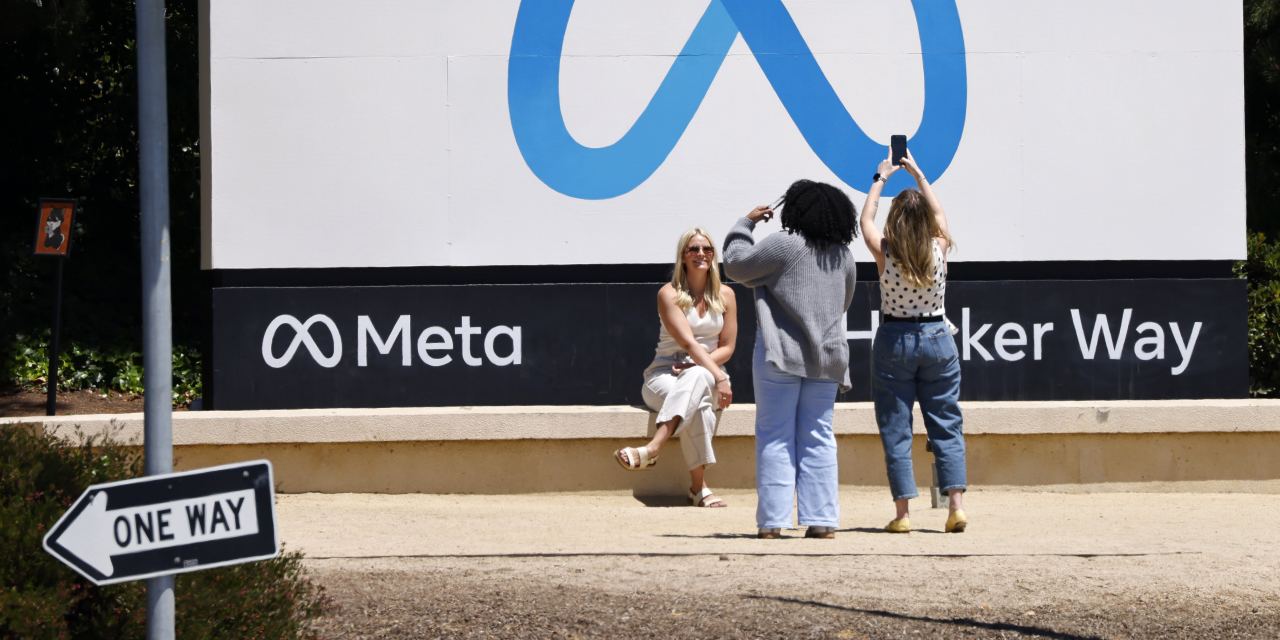
After a very expensive AI hiring spree in its search to create AI that surpasses human intelligence, Meta is now freezing new AI hires without express permission from Chief AI Officer Alexandr Wang, The Wall Street Journal reports.

Earlier this week, The New York Times reported that amid a broader restructuring of its AI efforts into four groups (first reported by The Information), Meta is even considering downsizing the group.

A Meta spokesperson confirmed the freeze to WSJ, saying it’s part of “basic organizational planning: creating a solid structure for our new superintelligence efforts after bringing people on board and undertaking yearly budgeting and planning exercises.”

With reports of compensation packages for top AI recruits reaching nine digits, investors are wary of what such over-the-top costs might mean for their returns. During the company’s last earnings call, Meta executives said that employee compensation would be the second-largest driver of expense growth in 2026 after capex, which has been enormous. This week, Morgan Stanley warned of dilution risks thanks to increasing stock-based compensation among tech companies like Meta.

This week’s tech sell-off may be linked to renewed concerns about the potential returns associated with all this unbridled spending on AI.

A Meta spokesperson confirmed the freeze to WSJ, saying it’s part of “basic organizational planning: creating a solid structure for our new superintelligence efforts after bringing people on board and undertaking yearly budgeting and planning exercises.”

With reports of compensation packages for top AI recruits reaching nine digits, investors are wary of what such over-the-top costs might mean for their returns. During the company’s last earnings call, Meta executives said that employee compensation would be the second-largest driver of expense growth in 2026 after capex, which has been enormous. This week, Morgan Stanley warned of dilution risks thanks to increasing stock-based compensation among tech companies like Meta.

This week’s tech sell-off may be linked to renewed concerns about the potential returns associated with all this unbridled spending on AI.

More Tech

See all Tech
🚀 $100B

Alphabet’s 2015 investment in SpaceX is about to pay off handsomely with the company’s hotly anticipated IPO later this year, which is expected to be the largest in history.

Bloomberg reports that according to new financial filings, Alphabet’s investment could be worth up to $100 billion.

Google invested in SpaceX in 2015 when it, along with Fidelity, invested $1 billion in a round that valued SpaceX at $10 billion. At the end of 2025, Google owned just over 6% of SpaceX, per Bloomberg’s reporting on the more recent filings. That stake has likely been diluted due to SpaceX’s merger with xAI.

$1

Barclays says autonomous couriers — think sidewalk robots and drones — could push delivery costs down to as little as $1 per order, from between $5 and $7 today and closer to $9 for traditional deliveries in high-labor-cost markets. If robots save $4 on every delivery, and enough companies start using them, the food delivery industry, including companies like DoorDash and Uber, could end up with $16 billion in extra profit every year, according to Barclays.

The catch: we’re nowhere near that world yet. Robots and drones handle less than 1% of deliveries today. Even by 2035, Barclays only sees penetration hitting around 10%.

Google’s Wing and Amazon have also been trying to crack last-mile product delivery — a reminder that this is part of a broader race to automate the most expensive leg of e-commerce.

$10B

Uber has long had an asset-light business model: it provided the ride-hailing platform, and its contract workers brought their own vehicles. That’s changing as Uber positions itself at the center of the robotaxi era.

The Financial Times estimates that Uber has committed more than $10 billion to buying robotaxi fleets ($7.5 billion) and investing in the companies that make them ($2.5 billion). That includes yesterday’s announcement that its expanding its investment in Lucid, a deal worth about $2 billion, with plans to buy 35,000 vehicles.

This shift pits Uber against industry leaders like Google’s Waymo and Tesla, whose models involve company-owned vehicles running on proprietary platforms. While these autonomous fleets eliminate the need for drivers, they introduce new capital-intensive requirements for charging, cleaning, storage, and repair.

Latest Stories

Sherwood Media, LLC produces fresh and unique perspectives on topical financial news and is a fully owned subsidiary of Robinhood Markets, Inc., and any views expressed here do not necessarily reflect the views of any other Robinhood affiliate, including Robinhood Markets, Inc., Robinhood Financial LLC, Robinhood Securities, LLC, Robinhood Crypto, LLC, Robinhood Derivatives, LLC, or Robinhood Money, LLC. Futures and event contracts are offered through Robinhood Derivatives, LLC.
