

Tech
tech
Rani Molla

Pichai: Google wants to put its AI on Apple iPhones this year

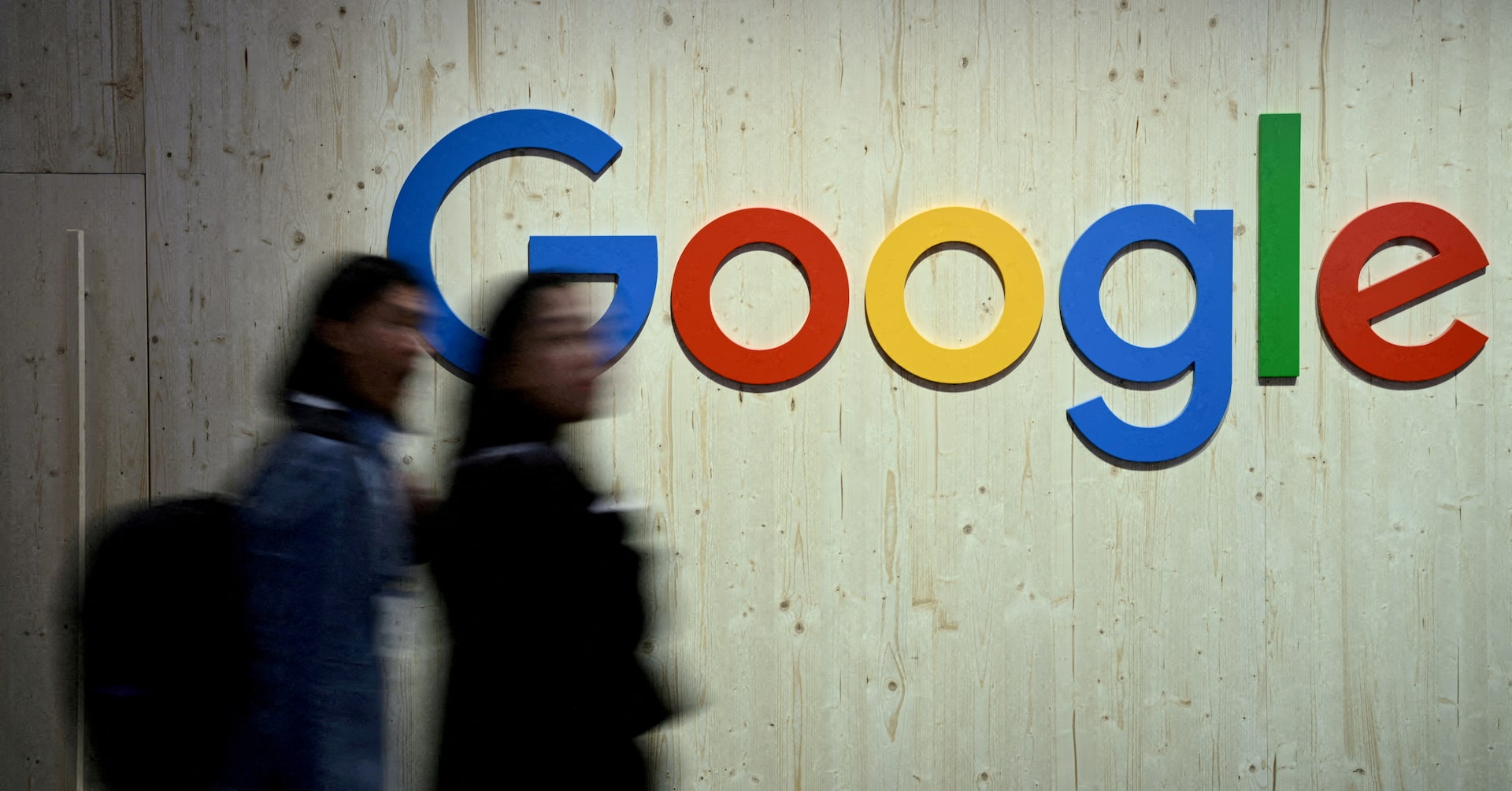
Google hopes to reach a deal to get its Gemini AI onto iPhones this year, according to a Reuters report of CEO Sundar Pichai’s testimony during Google’s antitrust case today, where the court is trying to decide how best to fix Google’s search monopoly. The Information reported that Pichai had at least a “couple” of discussions about doing so last year. Apple SVP Craig Federighi hinted at last year’s developer conference that Gemini might eventually be added to the iPhone as an AI option.

Apple is considered far behind its peers in the AI space and has had to delay a number of features, including an updated Siri on its latest AI phones. To help make up for lost time (and to bypass regulation in China), the company has partnered with a number of AI companies, including OpenAI, Alibaba, and Baidu.

How it currently works is if you ask Siri a question and Apple’s own AI models can’t answer, it offers users the ability to ask ChatGPT instead. It’s a clunky, bifurcated system that leaves much to be desired. We’ll see if a partnership with Google can help that.

Of course, one way the Department of Justice hopes to fix Google’s monopoly is by prohibiting it from paying companies like Apple to be the default search engine on its phones, a deal that snagged Apple $20 billion in 2022. If this is a situation where Google pays to be the default AI, would it be any different?
Apple is considered far behind its peers in the AI space and has had to delay a number of features, including an updated Siri on its latest AI phones. To help make up for lost time (and to bypass regulation in China), the company has partnered with a number of AI companies, including OpenAI, Alibaba, and Baidu.

How it currently works is if you ask Siri a question and Apple’s own AI models can’t answer, it offers users the ability to ask ChatGPT instead. It’s a clunky, bifurcated system that leaves much to be desired. We’ll see if a partnership with Google can help that.

Of course, one way the Department of Justice hopes to fix Google’s monopoly is by prohibiting it from paying companies like Apple to be the default search engine on its phones, a deal that snagged Apple $20 billion in 2022. If this is a situation where Google pays to be the default AI, would it be any different?

More Tech

See all Tech
tech

Anthropic raises $30 billion, now valued at $380 billion

Anthropic is now valued at $380 billion, after closing on its latest round of fundraising, taking in $30 billion from a wide range of investors. The Series G round was co-led by D. E. Shaw Ventures, Dragoneer, Founders Fund, ICONIQ, and the UAE’s investment arm, MGX.

Some other investors include: Qatar Investment Authority (QIA), Sequoia Capital, Fidelity Management & Research Company, JPMorgan Chase, Lightspeed Venture Partners, Microsoft, and Nvidia.

Anthropic offered a few details on the current state of its business:

  • Anthropic said that its annual run-rate revenue has reached $14 billion, seeing 10x growth each of the past three years.

  • “The number of customers spending over $100,000 annually on Claude (as represented by run-rate revenue) has grown 7x in the past year.”

  • “Claude Code’s run-rate revenue has grown to over $2.5 billion; this figure has more than doubled since the beginning of 2026.”

  • Business subscriptions to Claude Code have quadrupled since the start of 2026.

In a blog post announcing the round, the company said:

“We train and run Claude on a diversified range of AI hardware — AWS Trainium, Google TPUs, and NVIDIA GPUs — which means we can match workloads to the chips best suited for them. This diversity of platforms translates to better performance and greater resilience for the enterprise customers that depend on Claude for critical work.”

Anthropic offered a few details on the current state of its business:

  • Anthropic said that its annual run-rate revenue has reached $14 billion, seeing 10x growth each of the past three years.

  • “The number of customers spending over $100,000 annually on Claude (as represented by run-rate revenue) has grown 7x in the past year.”

  • “Claude Code’s run-rate revenue has grown to over $2.5 billion; this figure has more than doubled since the beginning of 2026.”

  • Business subscriptions to Claude Code have quadrupled since the start of 2026.

In a blog post announcing the round, the company said:

“We train and run Claude on a diversified range of AI hardware — AWS Trainium, Google TPUs, and NVIDIA GPUs — which means we can match workloads to the chips best suited for them. This diversity of platforms translates to better performance and greater resilience for the enterprise customers that depend on Claude for critical work.”

tech

Apple’s smartphone market share is growing in China

Apple is starting 2026 strong in China.

After staging a comeback last year as consumers flocked to the iPhone 17 lineup, the US company is continuing to gain ground.

Apple’s iPhones accounted for 19% of smartphone sales in China in January, up from 14% a year earlier, according to Counterpoint Research. That marks Apple’s highest January market share in five years, putting it just a fraction of a percentage point behind market leader Huawei.

Last quarter, Greater China revenue made up about 18% of Apple’s total sales as it remains an important region for the company.

1M

Waymo CEO Tekedra Mawakana says she thinks the company could reach 1 million weekly paid autonomous rides this year, Bloomberg reports. That would be more than double the roughly 400,000 weekly rides the Alphabet subsidiary is currently providing after quadrupling service in 2025.

The company plans to get there by adding new vehicle models to its fleet and expanding into additional markets this year, including Washington, Detroit, Las Vegas, San Diego, and Denver. Waymo currently operates in six cities, having expanded to Miami in January, and has more than 2,500 fully driverless vehicles on the road.

Its biggest competitor, Tesla, says it is operating about 500 robotaxis, which for the most part have human drivers, in two markets: Austin and the San Francisco Bay Area.

tech

Russia blocks Meta’s WhatsApp, the country’s most popular messaging app

The Russian government has fully blocked Meta’s WhatsApp, the country’s most popular messaging app, over what a Kremlin spokesman called the company’s “unwillingness to comply with Russian law.” In a statement, Meta said WhatsApp has more than 100 million users in the country, which would represent two-thirds of the Russian population.

While this represents a major disruption for Russian users, it’s unlikely to be financially devastating for Meta.

The company does not break out revenue from Russia, but since Russia’s invasion of Ukraine in 2022, Meta has been labeled an “extremist organization” in Russia, and advertising on its platforms has been banned.

Meta called the move a “backwards step” that “can only lead to less safety for people in Russia.”

While this represents a major disruption for Russian users, it’s unlikely to be financially devastating for Meta.

The company does not break out revenue from Russia, but since Russia’s invasion of Ukraine in 2022, Meta has been labeled an “extremist organization” in Russia, and advertising on its platforms has been banned.

Meta called the move a “backwards step” that “can only lead to less safety for people in Russia.”

Latest Stories

Sherwood Media, LLC produces fresh and unique perspectives on topical financial news and is a fully owned subsidiary of Robinhood Markets, Inc., and any views expressed here do not necessarily reflect the views of any other Robinhood affiliate, including Robinhood Markets, Inc., Robinhood Financial LLC, Robinhood Securities, LLC, Robinhood Crypto, LLC, or Robinhood Money, LLC.