

Tech
tech
Rani Molla

Tesla and other EV makers may have to say goodbye to $7,500 EV credit sooner than expected

The Senate’s newly released version of President Trump’s “big, beautiful bill” might be even worse news for Tesla and the rest of the electric vehicle industry than the initial one. Rather than eliminating the $7,500 EV tax incentive at the end of the year, as was the case in previous versions of the bill, it would now end September 30.

While it’s possible the change could increase Q3 sales, causing would-be buyers to move forward their purchases to take advantage of the tax credit, it would likely hurt Q4 sales, the analyst who goes by Troy Teslike wrote. Analysts are already bracing for an awful Q2 Tesla sales report this week and are expecting full-year deliveries to decline for the second year in a row.

Last year, JD Power found that about two-thirds of premium brand EV owners said tax credits were a main driver in their EV purchase decision.

To combat the loss of incentive, Tesla would likely have to lower prices and take a hit to its margins or deal with lower demand. JPMorgan previously said the pending legislation — both the elimination of EV tax credits and the regulatory credits Tesla sells to other automakers — could threaten half of Tesla’s profits.

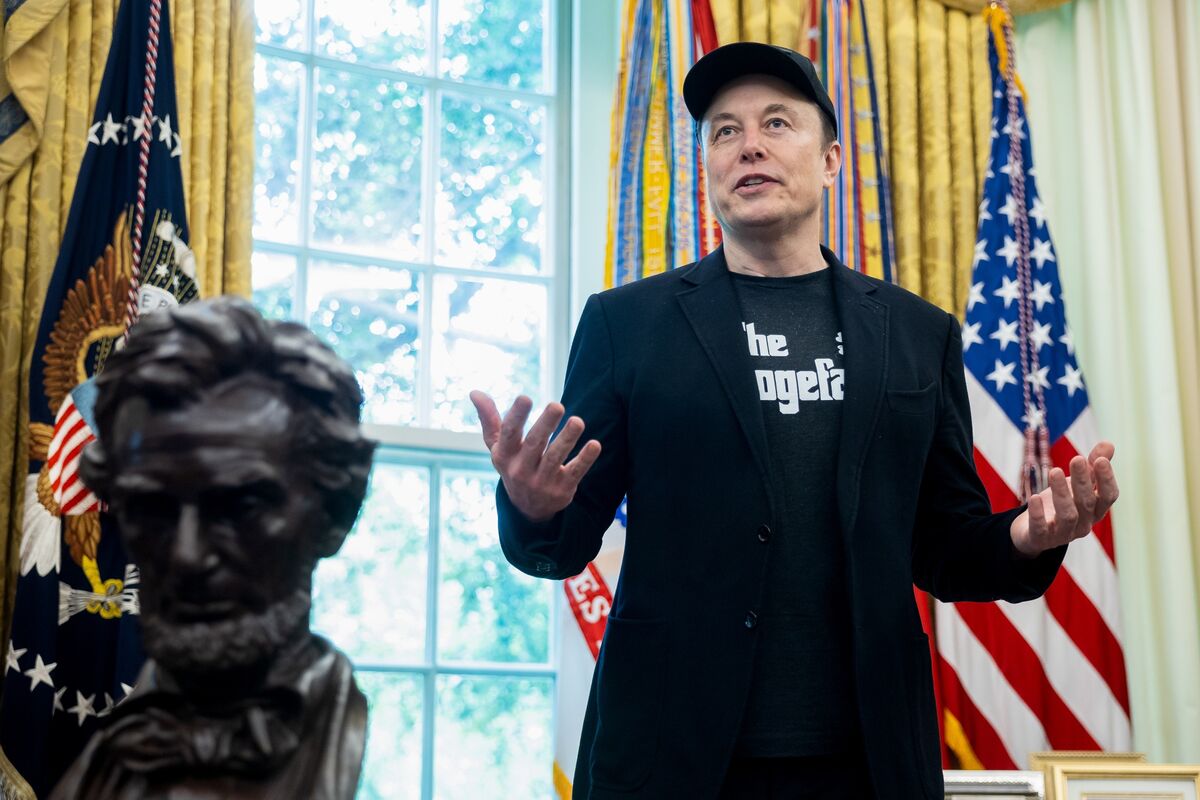
Tesla CEO Elon Musk is none too happy.

This weekend he tweeted his dislike of the latest bill, saying it “will destroy millions of jobs in America and cause immense strategic harm to our country” and that its clean energy provisions would be “incredibly destructive to America.”

While it’s possible the change could increase Q3 sales, causing would-be buyers to move forward their purchases to take advantage of the tax credit, it would likely hurt Q4 sales, the analyst who goes by Troy Teslike wrote. Analysts are already bracing for an awful Q2 Tesla sales report this week and are expecting full-year deliveries to decline for the second year in a row.

Last year, JD Power found that about two-thirds of premium brand EV owners said tax credits were a main driver in their EV purchase decision.

To combat the loss of incentive, Tesla would likely have to lower prices and take a hit to its margins or deal with lower demand. JPMorgan previously said the pending legislation — both the elimination of EV tax credits and the regulatory credits Tesla sells to other automakers — could threaten half of Tesla’s profits.

Tesla CEO Elon Musk is none too happy.

This weekend he tweeted his dislike of the latest bill, saying it “will destroy millions of jobs in America and cause immense strategic harm to our country” and that its clean energy provisions would be “incredibly destructive to America.”

More Tech

See all Tech
CHINA-US-DIPLOMACY

Anthropic really doesn’t want the US to help China with AI

Anthropic made its case for freezing China out of the AI race as much as possible in a new policy paper. The company warned that letting China catch up to US AI companies could risk AI-powered mass surveillance and huge risks to monitoring AI safety.

Jon Keegan5/15/26
Tesla Robotaxi

Tesla finally reported un-redacted information about its Robotaxi crashes

There have been a total of 17 crashes so far among its Texas Robotaxis. Read about them all here.

Rani Molla5/15/26
tech
Rani Molla

Alphabet sold $3.6 billion in Japanese yen bonds — a record for a foreign company — likely to help its AI capex binge

We now have the value for Alphabet’s Japanese yen bond raise — 576.5 billion yen, or $3.6 billion — and it’s a record for a foreign issuer in Japan. The deal was spread across seven tranches with maturities ranging from 3 to 40 years, allowing the company to lock in rates as low as 1.965%.

The latest deal comes on the heels of Alphabet’s massive US and European bond deals, where the company has tapped global markets for nearly $60 billion in fresh capital over the last few months. In a filing earlier this week, the search giant said it would use the proceeds for “general corporate purposes.” That likely means fueling its AI infrastructure build-out, which has pushed its projected 2026 capex bill to a staggering $190 billion.

tech
Rani Molla

Bloomberg: Relationship between OpenAI and Apple has deteriorated and legal action may be imminent

The two-year-old alliance between Apple and OpenAI has deteriorated, Bloomberg reports, with the AI giant now consulting legal counsel about issuing a potential breach of contract notice.

OpenAI executives allege that Apple failed to adequately integrate and promote ChatGPT on the iPhone, causing the AI firm to lose out on billions a year in subscriptions and hurt its brand, according to the report.

Meanwhile, Apple has expressed concerns over OpenAI’s privacy protection, and has been miffed that OpenAI has been working on its own hardware with former Apple design lead Jony Ive.

More recently, Apple, which has trailed its peers in developing AI, has decided to offer users their choice of AI models, rather than aligning exclusively with OpenAI’s.

Meanwhile, Apple has expressed concerns over OpenAI’s privacy protection, and has been miffed that OpenAI has been working on its own hardware with former Apple design lead Jony Ive.

More recently, Apple, which has trailed its peers in developing AI, has decided to offer users their choice of AI models, rather than aligning exclusively with OpenAI’s.

Latest Stories

Sherwood Media, LLC and Chartr Limited produce fresh and unique perspectives on topical financial news and are fully owned subsidiaries of Robinhood Markets, Inc., and any views expressed here do not necessarily reflect the views of any other Robinhood affiliate, including Robinhood Markets, Inc., Robinhood Financial LLC, Robinhood Securities, LLC, Robinhood Crypto, LLC, Robinhood Money, LLC, Robinhood U.K. Ltd, Robinhood Derivatives, LLC, Robinhood Gold, LLC, Robinhood Asset Management, LLC, Robinhood Credit, Inc., Robinhood Ventures DE, LLC and, where applicable, its managed investment vehicles.
