

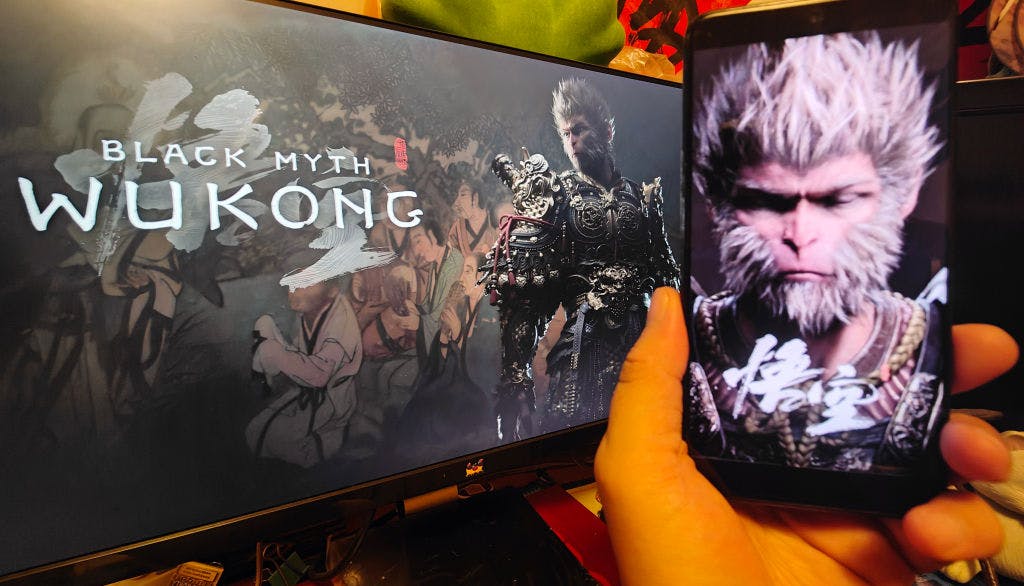
“Black Myth: Wukong” is a chart-topping success. It's also China's biggest-ever gaming flex.
Until now, China’s gaming impact had been mostly limited to smartphones.
“Black Myth: Wukong” broke the record for first-day plays after it shot to the top of Steam’s game store within hours of its Tuesday launch. More than two million gamers played the Chinese role-playing title simultaneously, putting its concurrent plays ahead of “Elden Ring” and “Cyberpunk 2077.”
The success is a huge win for China. “Black Myth: Wukong” is China’s first game of its kind, with advanced graphics and gameplay that have earned it comparisons to the famously-complex Soulsborne series. The game reportedly took six years and more than $50 million to make.
Previously, China’s gaming impact had been mostly limited to smartphones. Tencent — China’s top game developer and a backer of Game Science, the studio that created “Black Myth: Wukong” — has churned out App Store-topping mobile titles like “Genshin Impact.” But “Black Myth: Wukong” represents a step onto the global stage of PC and console gaming and an appeal to serious gamers around the world. IGN China gave the game a rare 10/10 review, while US IGN rated it 8/10 and Metacritic gave it a solid 81% score.
For China, the success of “Black Myth: Wukong” is about more than nabbing a “Game of the Year” nomination. It’s a chance to expand its cultural influence, a push that can be seen in how many movies China now produces for the global stage. (The country is churning out more than seven times as many movies this year as it did a decade ago.)
“Black Myth: Wukong” is based on a classical Chinese novel and features Chinese landmarks, and it’s being applauded by state-owned media. Yangcheng Evening News wrote:
“The success of Black Myth: Wukong is not only a victory for the gaming industry, but also an important milestone in the overseas expansion of Chinese culture.”
And China is trying to ensure that expansion casts its culture in a positive light: the NYT reported streamers received a list of topics they weren’t supposed to talk about while playing the game live. Off-limits topics included “feminist propaganda” and “quarantine.”
But holding too tight a leash could limit China’s reach. Some streamers declined to play “Black Myth: Wukong” after reading the fine print on their free copies. And some gamers even blame strict regulations for it taking so long for China to churn out a game of this caliber in the first place.