The dockworkers’ strike could hit Americans where it hurts: Bananas
For decades, American consumers have been particularly drawn to produce that cannot be grown near where they live.
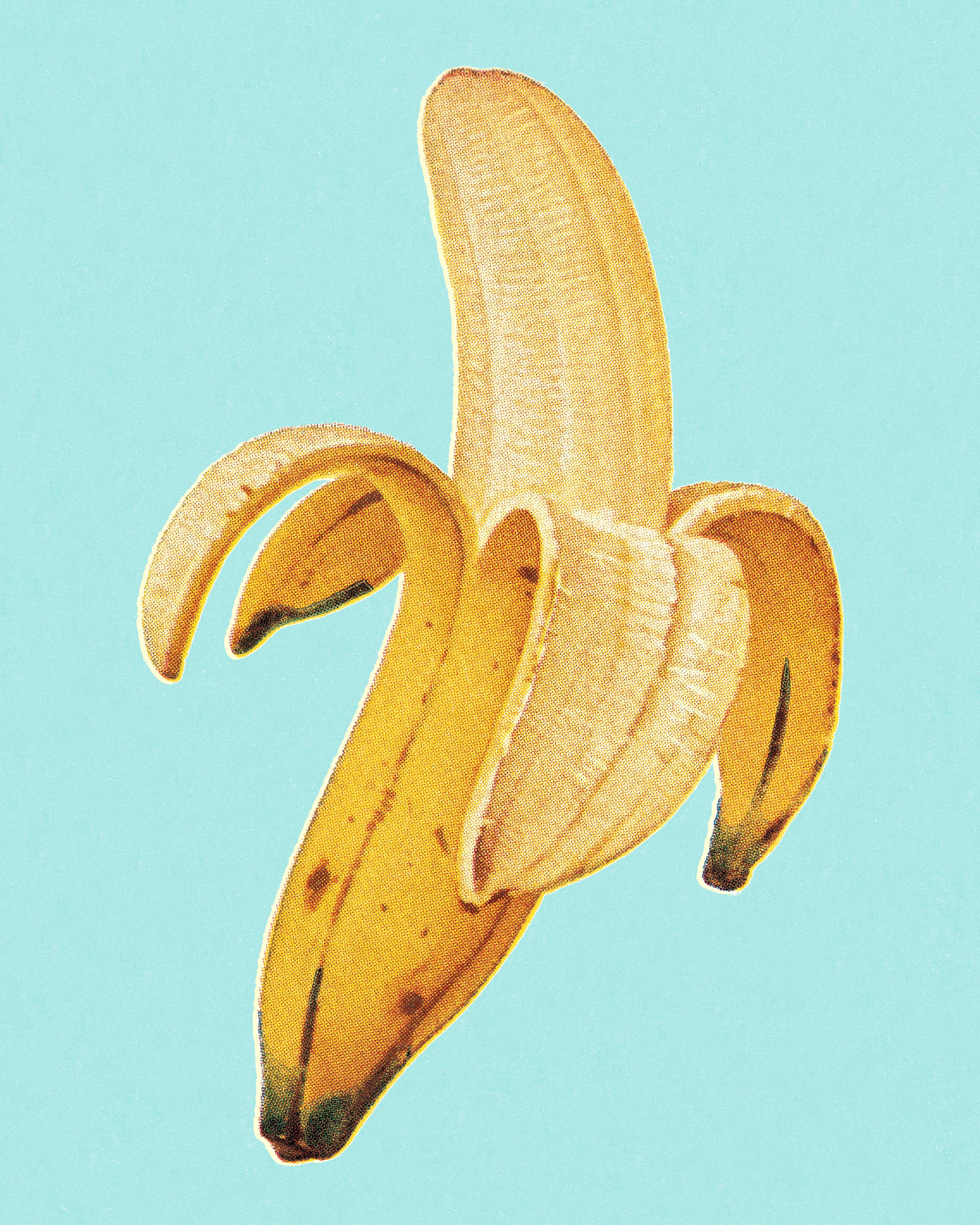
Bananas are the most popular fruit in the United States. Virtually all of them enter the country through US ports.
Americans’ taste for imported foods is on full display as 45,000 dockworkers strike, putting a halt on shipments to East Coast and Gulf Coast ports for a second day now.
Those ports handle shipments of non-perishable goods like car parts, but also things like fruits and vegetables that could make some produce temporarily more expensive just as food prices were starting to flatten.
Americans, for decades, have been drawn to produce that cannot be grown anywhere near where they live.
More than 60% of fruits consumed in the US are imported, according to the US Department of Agriculture, up from 23.5% in 1975. About 75% of bananas imported to the US come in through ports that are currently at a halt, according to the American Farm Bureau Federation.
America’s vast farmland is really good for growing corn and soy, and a lot of it is exported. It does not produce bananas, avocados and dozens of other fruits Americans love.
Bananas only grow in tropical regions. American companies have for decades relied on (exploited) communities in Central and South America to satisfy our cravings for the classic smoothie ingredient and cereal topping.
Avocados and mangos have also grown in popularity with Americans. Imports of papayas, though still a sliver of the aforementioned tropical fruits, have more than doubled since 2020.