Business
Domino effect: The pizza maker keeps winning

Domino effect: The pizza maker keeps winning

Domino’s Pizza Inc. reported some pretty sauced up results on Monday, as the fruits of its collaboration with Uber Eats, revamped loyalty program, and marketing initiatives drove global sales up more than 5% at its 20,000+ global locations. The results bucked the wider trend of weaker sales at fast food chains, sending DPZ shares up 8% on the news.

Domino effect

The largest pizza company in the world has reinvented itself again and again since its founding in 1960s Michigan, from its infamous 30-minutes-or-less guarantee in the 90s, to the hotly debated "pizza tracker". So, you wouldn’t think there were many new ways to advertise pizza to the American public, but Domino’s found one with its latest initiative: the “emergency pizza” promotion, which gave customers a free pizza… as long as you were signed up to the company’s all-important loyalty program.

The pie maker also completed its nationwide roll-out of its partnership with Uber Eats, a step that execs had been reluctant to take — presumably because they felt they had a large enough footprint with nearly 7,000 stores in the US alone and more than 20,000 globally, as well as wanting to control the delivery experience. Of course, the allure of serving a few extra slices is hard to resist, with Domino’s reportedly grabbing 19% market share among pizza chains on the platform.

Peak-za?

For the last decade, Domino’s has been adding to its pizza store base at a ferocious pace, pulling clear of Pizza Hut in 2021. But, any notion of “peak pizza” would be laughed out of Domino’s expansion meetings, with plans to add ~6,000 stores by 2028… and one eye on 50,000 stores in the long-term.

Elsewhere in fast food land: Wendy’s is thinking about dynamic pricing... but consumers don't love the idea.

More Business

See all Business
The entrance of Allbirds seen from Hayes St. in San Francisco, Calif.

Allbirds, the once buzzy multibillion-dollar sneaker startup, is selling up for $39 million

That’s less than 1% of its peak market cap about four years ago.

Tom Jones3/31/26
business

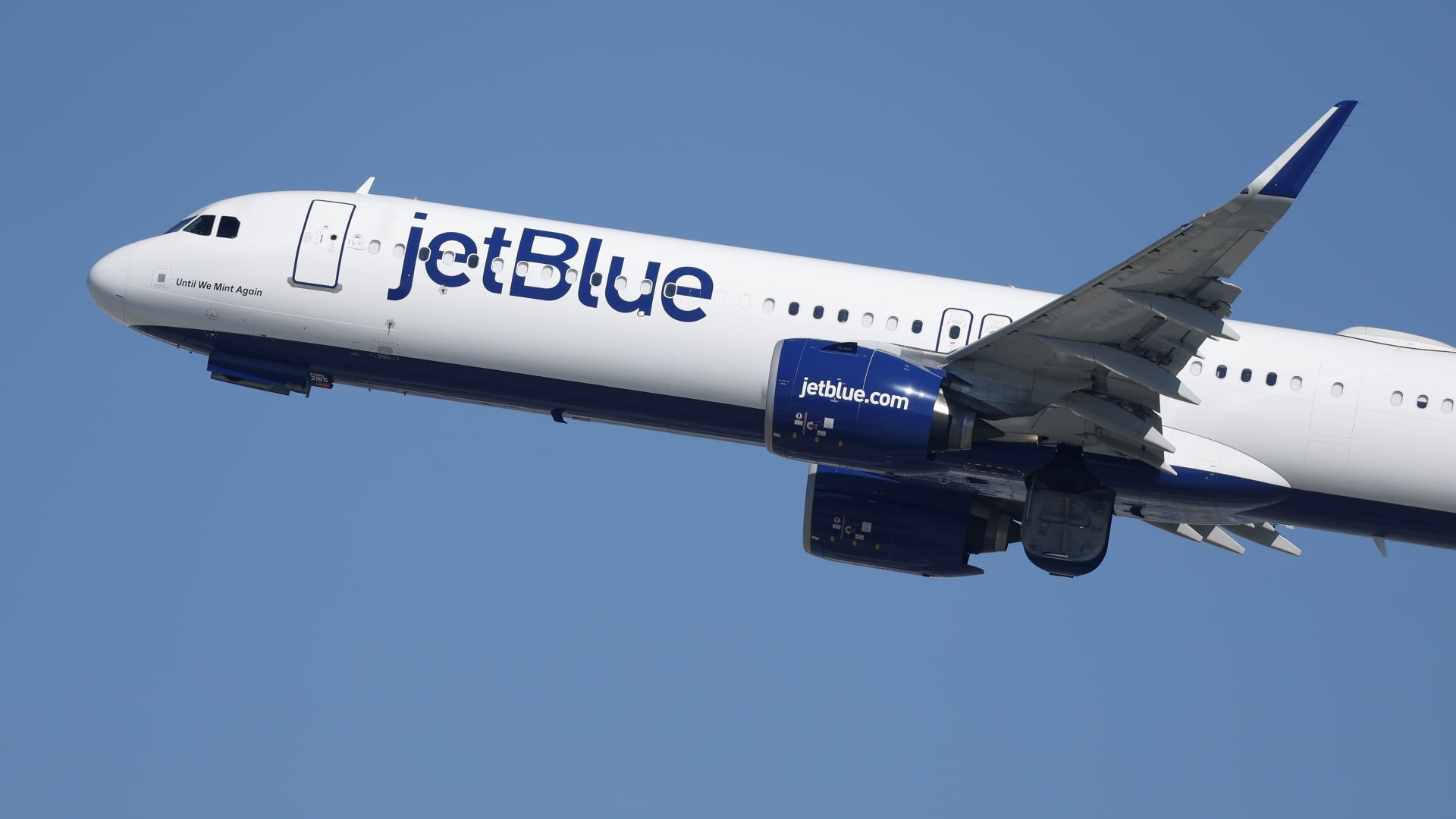
JetBlue is raising its bag fees as fuel costs squeeze airlines

JetBlue will reportedly hike its bag fees, as the cost of jet fuel continues to climb amid the war in Iran. It’s the latest example of carriers finding ways to push rising costs onto travelers.

Last week, United Airlines CEO Scott Kirby said that if fuel prices remain elevated, fares would need to rise another 20% for his airline to break even this year.

As CNBC reported, when one airline raises fees, others tend to follow.

Earlier this month, JetBlue hiked its first-quarter outlook for operating revenue per seat mile to between 5% and 7%, saying that strong Q1 demand helped “partially offset additional expenses realized from operational disruptions and rising fuel costs.” Now, the carrier appears to be making moves to further boost revenue to offset those costs.

Earlier on Monday, JetBlue rival Alaska Air lowered its Q1 profit forecast. The refining margins for the carrier’s cheapest fuel option — sourced from Singapore and representing about 20% of Alaska’s overall supply — have spiked 400% since February.

JetBlue did not immediately respond to a request for comment.

As CNBC reported, when one airline raises fees, others tend to follow.

Earlier this month, JetBlue hiked its first-quarter outlook for operating revenue per seat mile to between 5% and 7%, saying that strong Q1 demand helped “partially offset additional expenses realized from operational disruptions and rising fuel costs.” Now, the carrier appears to be making moves to further boost revenue to offset those costs.

Earlier on Monday, JetBlue rival Alaska Air lowered its Q1 profit forecast. The refining margins for the carrier’s cheapest fuel option — sourced from Singapore and representing about 20% of Alaska’s overall supply — have spiked 400% since February.

JetBlue did not immediately respond to a request for comment.

Latest Stories

Sherwood Media, LLC produces fresh and unique perspectives on topical financial news and is a fully owned subsidiary of Robinhood Markets, Inc., and any views expressed here do not necessarily reflect the views of any other Robinhood affiliate, including Robinhood Markets, Inc., Robinhood Financial LLC, Robinhood Securities, LLC, Robinhood Crypto, LLC, Robinhood Derivatives, LLC, or Robinhood Money, LLC. Futures and event contracts are offered through Robinhood Derivatives, LLC.