
Business
Stock valuations: Where are we now?

Stock valuations: Where are we now?

"Some pain"

The US S&P 500 Index fell some 23% in the first six months of the year, as biting inflation gave policymakers few options but to raise interest rates, and raise them quickly.

Over the summer, equity markets recovered somewhat, as new evidence suggested that inflation might have peaked. However, recent investor optimism was extinguished on Friday by Fed chair Jay Powell, who poured cold water on the idea that the Fed might slow down. Powell warned that more rate rises are coming and that there will be "some pain" for households and businesses. US stocks fell more than 3% almost immediately after he finished speaking, and have continued to slide further this week.

So, where are we now?

The recent stock market moves left us wondering where equity valuations were. With hundreds of different ways to value stocks, we settled on arguably the simplest: the ratio of total market cap. to GDP. It's a simple metric that compares the total value of public equities with the actual economic output of the country as a whole.

A favorite of a certain Warren Buffett — who celebrated his 92nd birthday yesterday — the indicator currently sits just shy of 170%. On its own that number doesn't mean much, but when placed in historical context it's striking. Even after the recent fall in markets the ratio is still one of the highest on record, north of the ~140% recorded during the dotcom bubble of 2000, and considerably elevated compared to the average since 1995 (109%).

More Business

See all Business
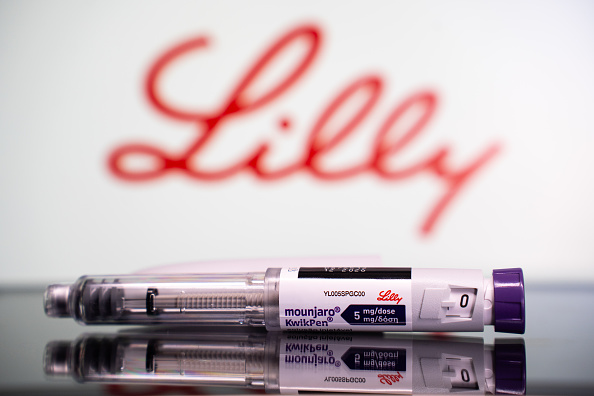
Mounjaro KwikPen Photo Illustrations

Eli Lilly makes the world’s bestselling drug. Can it keep the party going?

Some are starting to worry that Lilly, which for a short time vaulted into the trillion-dollar market cap club, may have hit a plateau.

business

Delta to increase bag fees by $10 on domestic flights this week, following JetBlue and United, as jet fuel surges

As the price of jet fuel surges amid the war in Iran, Delta Air Lines on Tuesday announced that it will hike its checked bag fees by $10 beginning this week.

Checking one bag on a domestic Delta flight will now cost $45, up from $35. A second bag will cost $55, up from $45, and a third will cost $200, up from $150. In a statement to Sherwood News, Delta issued the following announcement:

“For tickets purchased on or after April 8, Delta will increase fees for first and second checked bags by $10 and for a third checked bag by $50 on domestic and select short-haul international routes. These updates are part of Delta’s ongoing review of pricing across its business and reflect the impact of evolving global conditions and industry dynamics. Delta SkyMiles Medallion Members; customers traveling in First Class, Delta Premium Select and Delta One; active-duty military customers; and those with eligible co-branded Delta SkyMiles American Express Cards will continue to receive their allotment of complimentary checked bags.”

The move follows similar hikes by JetBlue and United Airlines last week. More are likely to come: when one major airline adjusts its fees, others tend to follow quickly behind. Delta last raised its bag fees in 2024, along with other major airlines.

Jet fuel prices were $4.69 a gallon on Monday, per the Argus US Jet Fuel Index. That’s up from the low $2 range for much of January.

business

Paramount reportedly receives $24 billion from Gulf funds to back its Warner Bros. takeover

Three Middle East sovereign wealth funds have agreed to back Paramount’s takeover of Warner Bros. Discovery to the tune of roughly $24 billion, according to Wall Street Journal reporting.

The company’s triumph over Netflix in the bidding war came thanks in part to financial backing from Oracle cofounder Larry Ellison, billionaire father of Paramount CEO David Ellison.

Saudi Arabia’s PIF, which last year led the $55 billion deal to take Electronic Arts private, will provide about $10 billion in the deal. The Qatar Investment Authority and Abu Dhabi’s L’imad Holding Co. is also involved.

According to the WSJ, the funds will not receive voting rights in the combined Paramount-Warner company. Those working on the deal don’t expect the Gulf funds’ involvement to spark any additional regulatory reviews.

The company’s triumph over Netflix in the bidding war came thanks in part to financial backing from Oracle cofounder Larry Ellison, billionaire father of Paramount CEO David Ellison.

Saudi Arabia’s PIF, which last year led the $55 billion deal to take Electronic Arts private, will provide about $10 billion in the deal. The Qatar Investment Authority and Abu Dhabi’s L’imad Holding Co. is also involved.

According to the WSJ, the funds will not receive voting rights in the combined Paramount-Warner company. Those working on the deal don’t expect the Gulf funds’ involvement to spark any additional regulatory reviews.

Latest Stories

Sherwood Media, LLC produces fresh and unique perspectives on topical financial news and is a fully owned subsidiary of Robinhood Markets, Inc., and any views expressed here do not necessarily reflect the views of any other Robinhood affiliate, including Robinhood Markets, Inc., Robinhood Financial LLC, Robinhood Securities, LLC, Robinhood Crypto, LLC, Robinhood Derivatives, LLC, or Robinhood Money, LLC. Futures and event contracts are offered through Robinhood Derivatives, LLC.
