Bitcoin business will lose billions in the halving
Investors and miners have spent months prepping for the crypto-shattering event lying in bitcoin’s code. It’s finally arrived.
The halving is coming.
A refrain that reads like the teaser for a low-budget slasher flick has for the past year loomed over the publicly traded companies and the passionate enthusiasts powering the world’s largest cryptocurrency. And now the halving’s finally arrived.
Why is the halving is such a big deal?
The bitcoin halving, a once-every-four-year technical event programmed into the original cryptocurrency’s code, is expected to take place on Friday night. The backend switch makes front-page news because the change directly affects the miners who keep the bitcoin blockchain running. How those miners respond will ripple through the entire cryptocurrency market, and could lead to BTC price swings, corporate mergers, and a market for second-hand mining rigs inundated with hundreds of thousands of machines.
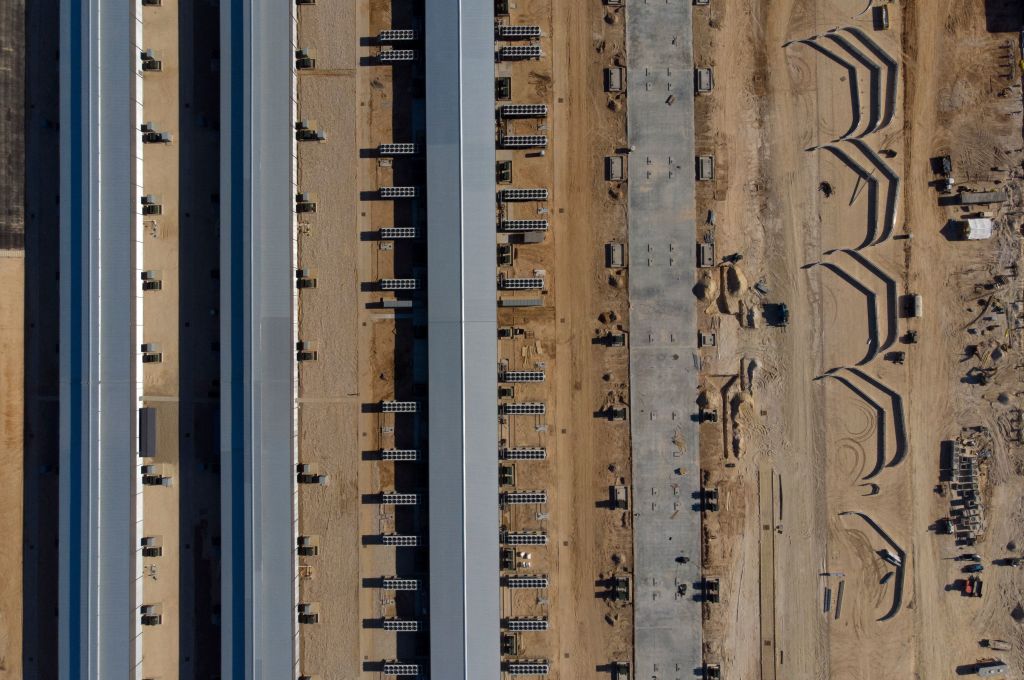
Intended as a way to predictably reduce bitcoin’s rate of inflation, bitcoin’s creator designed the halving to slash miner rewards by half every 210,000 blocks (a block is mined approximately every 10 minutes, working out to roughly once every four years). Miners are the people and companies running specialized computer rigs that compete for the chance to validate BTC transactions and add them to the blockchain. The variety of what these setups look like is wide, from warehouses on the outskirts of small Texas towns totalling hundreds of thousands of square feet, to an NYC spa using mining computers to heat their pools, to home hobbyists tinkering in their basements.
If they’re successful, the miners are rewarded with bitcoin — a payment that makes up the majority of their revenue. Transaction fees make up another sizable chunk, and DL News recently reported that fees were at an all-time high of 10% of miner rewards.
But as of Friday, the bitcoin reward that miners earn is set to be reduced to 3.125 BTC per block mined, down from 6.25 BTC. At about $62,000 per bitcoin, that adds up to nearly a $200,000 pay cut… every 10 minutes. That could net out to as much as a $10 billion yearly revenue loss for the industry at large.
How are bitcoin miners going to be affected?
The big players in the crypto-mining game — publicly traded companies like Riot Platforms, Marathon Digital, Core Scientific, and Hut 8 — have spent months (in some cases years) upgrading systems and locking in cheap electricity in preparation for Friday’s changeover. Even with all that efficiency-aimed prep, Elliot Chun of the crypto advisory firm Architect Partners told Blockworks that he expected some major players might be forced to merge to survive.
Other miners may diversify away from their core business entirely. Last year, crypto-mining company Applied Digital said it signed a $460 million deal to host AI infrastructure in its data centers. Miners, who’ve been forced to figure out how to cool large numbers of high-end computers running around the clock, may turn out to be well suited for the energy needs of the booming AI industry.
Meanwhile, companies that are mobile may end up decamping from the US in search of cheaper energy sources. Right now, the US hosts the world’s largest share of bitcoin miners. Post- halving, experts say Latin America could see a mining boom thanks to its relatively attractive energy prices.
Small and midsize miners may simply go out of business.
“Three to six months post-halving, that’s when you’re going to start to see companies that weren’t able to refresh their machines and companies that didn’t put enough cash on the balance sheet start to falter,” Core Scientific CEO Adam Sullivan told The Wall Street Journal.
The hobbyists and small businesses that mine BTC on the side are already worried the halving will wreak havoc on the delicate math that makes their operations financially viable. Some members of the bitcoin mining subreddit, a community discussing the latest hardware hacks and setup tweaks that allow them to squeak profit out of a capital-intensive industry, have expressed concerns that after the halving their numbers will no longer add up.
“I think I’m done,” wrote one Redditor in response to a question about shutting down post-halving. They said their electricity rates have skyrocketed in the past couple of years, and they “supplement with solar, but it’s just too much.”
“I personally need it at 70k for my operation to break even after halving,” observed another, referring to BTC.
Several wrote that it would depend on the price of bitcoin, which hit an all-time high in March of over $73,800.
“Still profitable but post halving under 60k is going to be barely squeezing by,” explained one miner. “Selling for what I can now.”
“Depends on the price of BTC,” another wrote. “If we keep climbing and maintaining I’m keeping the lights on.”
A lot depends on bitcoin’s post-halving price.
A Deutsche Bank survey published earlier this month suggested that nearly a third of consumers think the price of bitcoin will fall below $20,000 this year. Crypto enthusiasts, on the other hand, have made the case that the halving’s reduction in BTC inflation will lead to an increase in the cryptocurrency’s price, which historically has been the case post-halving. That expected jump, the argument goes, will help miners make up the revenue difference brought about by decreased rewards. Experts caution, though, that it’s far from guaranteed.
Others analysts expressed doubt that the halving would exert upward price pressure on bitcoin at all.
“The fundamental impact of the halving is by far and away the smallest it has ever been,” Rich Rosenblum, president of trading firm GSR, told DL News. “Not only is the change in supply half the change it was four years ago, but also volumes are 10 times what they were four years ago.”
If miners are forced to sell more bitcoin to make up for their reduced revenue, then the price of bitcoin could fall after the halving. Data from CryptoQuant, an on-chain analytics firm, shows that miners are selling their holdings at a higher rate when compared to their one-year average. Markus Thielen, and analysts at 10x Research, cautioned in a note that miners might sell as much as $5 billion post-halving — sending the crypto’s price sideways for up to six months.
For those smaller miners already on a knife’s edge, a flat or falling bitcoin price over the next several months combined with reduced block rewards could be the beginning of the end. But for the industry at large, this slasher flick could end with a twist. That’s because with the smaller and less efficient miners out of the way, the big publicly traded companies might suddenly find themselves with less competition for those now fewer coins.
“We believe that the industry globally is going to continue to grow and add hashrate,” observed Marathon Digital CEO Fred Thiel in an interview with Bloomberg. He added that post-halving, it’ll cost his company $46,000 to mine a single bitcoin — well below the current price.
So, for large players like Marathon, the halving is just another day in the wild world of crypto.