Bitcoin steadies after weekend bloodbath saw price dip below $75,000
One expert warned if bitcoin breaks through a key support level of $73,000, the price could drop “below $60,000 by the end of February.”
Bitcoin had a rough start to February, falling below $75,000 on Sunday to hover just above its low from 2025, as a slew of macro and geopolitical factors fuel traders’ risk-off sentiment.
The asset bounced back a bit Monday morning, crossing above $78,000, but bitcoin ended January down 10.17%, its fourth consecutive monthly loss and its worst January since 2022.
Bitcoin’s February average stands at 12.2%. Last year, it finished down 17.39%, according to CoinGlass.
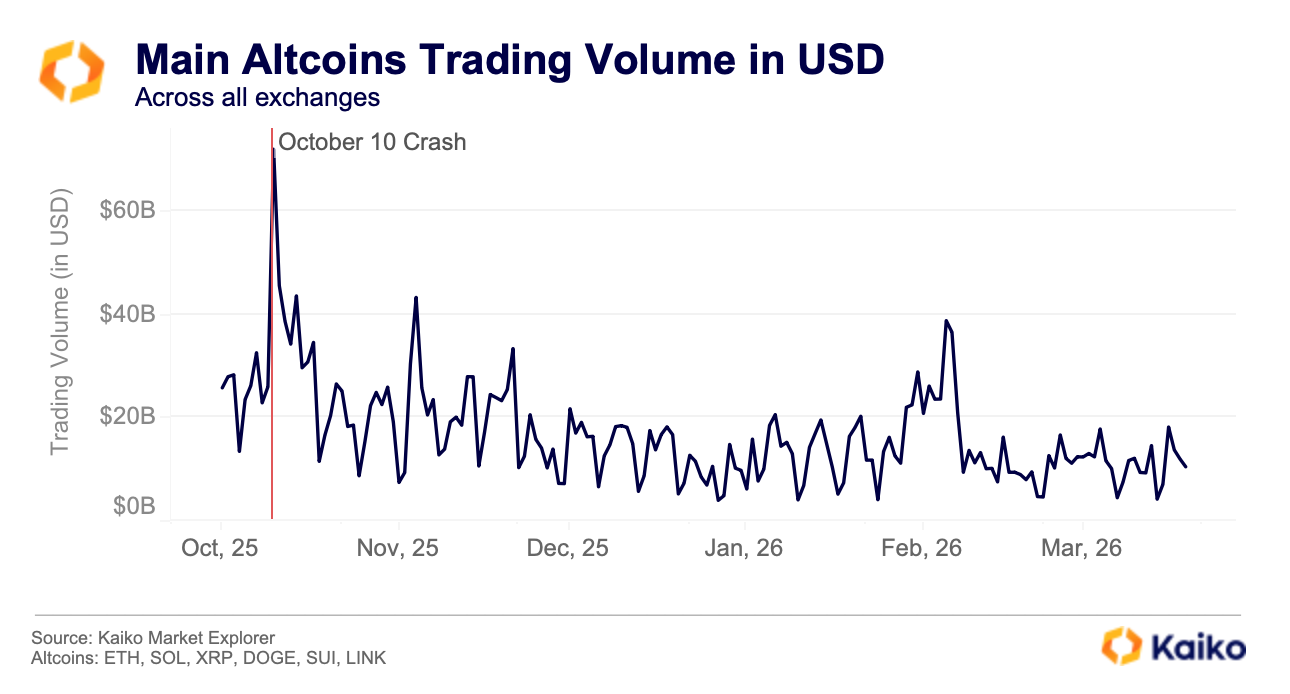
More than $5 billion has been liquidated from crypto markets over the past four days, the “largest wave of liquidations since October 10,” The Kobeissi Letter posted on X. The October 10 liquidation event wiped out $19.1 billion from the crypto market.
“Bitcoin now trades below the True Market Mean ($80.5K) and well beneath the Active Investors Mean ($87.3K). Short-term holders remain deeply underwater, with the STH cost basis at $95.4K, intensifying capitulation risk,” Timothy Misir, head of research at Blockhead Research Network, said.
Misir said markets will focus on whether the news of Kevin Warsh’s nomination as Fed chair continues to ripple through dollar liquidity expectations. He is also looking at ETF flow stabilization, “a key signal to monitor.”
“Without it, rallies are likely to fade. For now, markets remain in reset mode. Liquidity, not narratives, is back in control,” he said.
The “Warsh panic” and the reversal in liquidity expectations are on many experts’ watchlists. Dean Chen, a Bitunix analyst, said that over the medium term, the decisive factor for crypto trends will not be any single data print, but whether, under a Warsh scenario, the Federal Reserve shifts back toward a liquidity framework centered on balance sheet reduction and policy discipline.
Meanwhile, bitcoin ETFs saw a $1.49 billion exodus last week, SoSoValue data shows. The iShares Bitcoin Trust alone shed $947.1 million last week.
Nic Puckrin, cofounder of Coin Bureau, called bitcoin’s start to the year “abysmal.” He told Sherwood News that it is now trading below the average ETF cost basis (around $84,000, per Glassnode) and Strategy’s cost basis for the first time since 2023.
Puckrin said that the danger for Strategy isn’t as acute as it may seem, however, as it isn’t facing forced liquidations or imminent deadlines, with the first tranche of the convertible bonds only due early next year.
On the other hand, other digital asset treasuries may have fewer options available to them, he said, and we may begin to see some capitulation or potentially distressed acquisitions by better-capitalized competitors.
Puckrin is keeping the current drawdown in perspective, noting it’s far from extreme by historical terms. In the previous cycles, bitcoin has dropped between 72% and 84% from peak to trough, he said.
“With BTC’s volatility declining, we may well not see as deep a correction in this cycle,” he said.
However, other experts have gloomier outlooks for bitcoin, including Vasily Shilov, CBDO at SwapSpace, who told Sherwood that the prevailing sentiment among investors is that a collapse similar to 2022, following the collapse of FTX and Terra, is imminent.
Ray Youssef, CEO of crypto app NoOnes, echoed the bearish sentiment, saying that bitcoin’s potential downside is in the $69,000 to $71,000 range in the first half of 2026.
“Trump’s decisions in both domestic and foreign policy are creating additional instability in trading markets and affecting investor sentiment, with US actions on the global stage acting as a key downside catalyst,” he said.
Youssef added that while bitcoin found temporary support in the $75,000 to $76,000 zone, where spot demand has emerged, the main support lies at $73,000.
“A break there could push the price below $60,000 by the end of February,” he said.