Markets
Luke Kawa

US stocks crumble on Friday to end worst week since 2020

There was no reprieve from Thursday’s massive sell-off, as Friday saw even larger declines for the S&P 500. The benchmark US stock index fell 6%, the Nasdaq 100 dropped 6.1%, and the Russell 2000 slumped 4.4% on the day.

So ends the worst week for the S&P 500 since March 2020, near the bottom of the Covid-induced bear market.

Trading volumes across all US exchanges set a record on Friday, as did the number of put options that changed hands.

The number of stocks in the S&P 500 that fell outnumbered gainers by 475, the most since March 2023. Every S&P 500 sector ETF fell at least 4%, with energy leading the way down.

The US no longer has any $3 trillion companies, as Apple fell out of that cohort with today’s retreat.

China ratcheted up the trade war by unveiling retaliatory tariffs on US goods, weighing on US companies with big exposure to the world’s second-largest economy and serving as a drag on shares of Chinese companies listed in the US. Intel’s outperformance on Thursday gave way to a double-digit loss on Friday as its exposure to China becomes a sore spot for the company in light of those retaliatory tariffs.

OPEC+’s plans to return even more oil to global markets in May, coupled with the demand shock from tariffs, sent the likes of Exxon, Chevron, and ConocoPhillips reeling.

The dealmaking and IPO pipeline is running dry in light of market conditions, with Klarna pausing its plans to go public. Bank stocks like JPMorgan, Bank of America, Wells Fargo, Goldman Sachs, and Morgan Stanley were all throttled and underperformed the broad market.

Boeing stock fell to levels not seen since the doors of its 737 were consciously uncoupling from its body mid-flight.

However, there was a glimmer of light on the hopes for these trade barriers to be dialed back: Nike and Lululemon surged as President Trump touted progress on coming to a deal with Vietnam.

More Markets

See all Markets
markets

AST SpaceMobile rises after favorable commentary from BofA

Mobile-services-from-space play — and retail investor favorite — AST SpaceMobile rose after receiving a target price upgrade from Bank of America analysts.

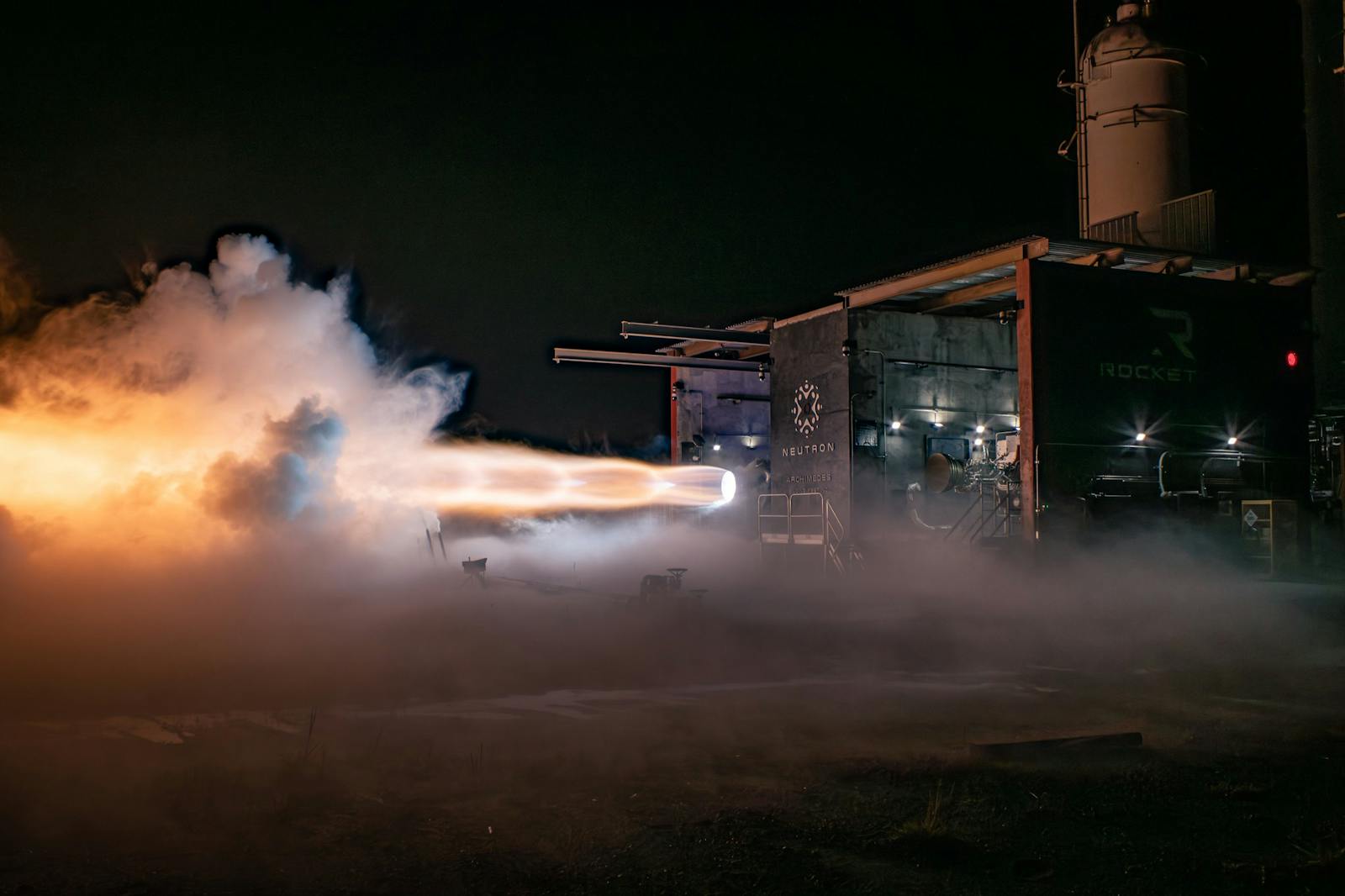
In a note published Thursday, BofA telecom services analysts lifted their price target for the stock to $100 from $85, while noting that the low-Earth orbit satellite industry — which supercharged stocks like Rocket Lab, Planet Labs, and AST in 2025 — is set to gain more attention this year:

“We expect the momentum to intensify in 2026 as providers like ASTS and Starlink jockey to offer full cellular service and capture subscribers. Debates will likely grow regarding Starlink’s plans to offer full cellular service and regulatory decisions on Ligado and EchoStar spectrum transactions are events to watch. Carrier partnerships could evolve and pricing and plan decisions should be clearer by year end as ASTS approaches full constellation operability.”

Still, they maintained their “neutral” rating on the stock, saying they “await progress on ASTS 1) fully producing and subsequently launching its BlueBird satellite constellation, 2) successfully operating the constellation, and 3) capturing subscribers and turning them into revenue paying subscribers before becoming more constructive on the story.”

The market has been less reticent: the money-losing company’s shares are up approximately 300% over the last year.

Bulls pour into Joby and Archer options as Trump’s push for record defense budget boosts eVTOL names

Options traders appear bullish on electric aircraft makers like Archer Aviation and Joby Aviation on Thursday, with large volumes boosting the stocks following President Trump’s call for a record $1.5 trillion US military budget for 2027.

Both companies, as well as newly public rival Beta Technologies, have sizable defense contracts. In July, Archer CEO Adam Goldstein told Sherwood News that he believes the company’s defense side will outpace its civil air taxi service for at least a decade.

Traders seem to believe him. As of 10:53 a.m. ET, about 31,000 Archer call options had exchanged hands, around 9,000 short of its 20-day average for a full day. Joby saw roughly 20,000 call options traded by the same time, eclipsing its 20-day average. For the most actively traded calls for Joby and Archer (C$17s expiring February 20 and C$9s expiring on Friday, respectively), volumes on the ask side are outstripping the bid or mid, indicating motivated buyers.

Latest Stories

Sherwood Media, LLC produces fresh and unique perspectives on topical financial news and is a fully owned subsidiary of Robinhood Markets, Inc., and any views expressed here do not necessarily reflect the views of any other Robinhood affiliate, including Robinhood Markets, Inc., Robinhood Financial LLC, Robinhood Securities, LLC, Robinhood Crypto, LLC, or Robinhood Money, LLC.