LIMINAL SPACES
GOING UP
OR COMING DOWN?

Abandoned malls don’t just decay: Sometimes they transform into something really cool
Many old malls get bulldozed, but others have become unexpected new destinations that are thriving.
Few American industries have taken as many punches as the shopping mall and lived to fight another day. In some cases, the malls are still fighting even when they’re no longer malls.
In 2020, at the height of the pandemic, advisory firm Coresight Research predicted that 25% of America’s 1,000 malls would close by 2025. E-commerce sales are gobbling up 16% of all retail business, and bankruptcies have stung big department stores like JCPenney and Neiman Marcus as much as smaller retailers like J. Crew and Claire’s.
As malls continue to close their doors, their very specialized buildings are left behind. Sometimes they remain vacant for years. Sometimes they get bulldozed. But sometimes they turn into car dealerships, housing units, medical facilities, college campuses, offices, or data centers.
Malls enjoyed their cultural and economic apex from the 1970s through the 1990s. Mostly located in suburban communities, mall developers would first seek out deals with anchor retailers like Macy’s or Nordstrom, then buy a property site and work to fill in dozens of shops with recognizable brands like Gap, Victoria’s Secret, and Foot Locker.
Over the past two decades, barely any new malls have opened in America, and even when they do, they look nothing like the malls depicted in iconic teen films like “Clueless” and “Mean Girls.” The American Dream mall, which took over $5 billion and more than 15 years before finally opening in New Jersey, has a water park and an indoor ski resort to lure fickle shoppers.
“There’s still a need and a desire for bricks-and-mortar, but it just needs to be more relevant to retailer and consumer expectations,” said Michael Platt, EVP of mixed-use development for real-estate company Centennial.
For mall properties to thrive, they have to place bigger bets on entertainment, restaurants, theaters, and health and wellness offerings, Platt said.
Centennial’s portfolio includes redevelopment projects across several states ranging from Illinois to California to Maryland, frequently carving out space that was once allocated to department stores and adding in a more appropriate mix of housing and retail to better suit current demands. “It always comes down to how good the real estate is and do we think retail has a place,” Platt said.
Centennial owns about half the properties it develops and is a third-party provider for others looking to develop. Platt said each project requires a lot of due diligence, as it takes substantial capital to successfully reposition a dying mall. “You’re not turning a speedboat here,” Platt said. “You’re turning the Titanic.”
In upstate New York, Cayuga Health first saw the benefits of operating in a mall during the pandemic, when it offered drive-through Covid testing in the parking lot of The Shops at Ithaca Mall and then operated an indoor vaccination clinic in a vacant retail space that had once housed Sears. In 2022, the company announced it had acquired 108,000 square feet of space at the Ithaca Mall for $8.5 million.
“Part of our thinking was to decrease the amount of space that needed to be held by retail, with the belief that some percentage could sustain retail, but that the magnitude of all the space was too much for the community to support,” Dr. Martin Stallone, president and CEO of Cayuga Health, said.
With the exit of department stores Sears and The Bon-Ton, Cayuga Health sensed an opportunity. It worked closely with the local chamber of commerce and arranged loans with help from the private nonprofit Ithaca Area Economic Development to buy the unused portion of the Ithaca Mall.
Cayuga Health has converted about half the property into a consolidated space for medical offices, offering internal medicine, lab services, cardiology, and a family practice.
Stallone said some key changes to Bon-Ton’s former space included adding a lot more ceiling lights, new conference rooms, and wide hallways to connect to the retail hub that the Ithaca Mall still retained. There may be further opportunities to convert more of the property into additional social services or even housing. In rural communities like Tompkins County, home to Ithaca, Stallone says companies like Cayuga are often best positioned to reinvest, as they’re often one of the largest employers with the greatest regional financial might.
“We understand the economic impact that delivering local healthcare has on the communities,” Stallone said.
At the turn of the century, another upstate New York mall — the Penn Can Mall — in the suburbs of Syracuse reopened as the Driver’s Village. This “automall” is a car dealership that sells thousands of new and used vehicles on display both inside the mall and in the former parking lot. Roger Burdick, president of Driver’s Village, has said his business is unique because car salespeople are authorized to sell across multiple brands, including Fiat, Jeep, Nissan, and Buick.
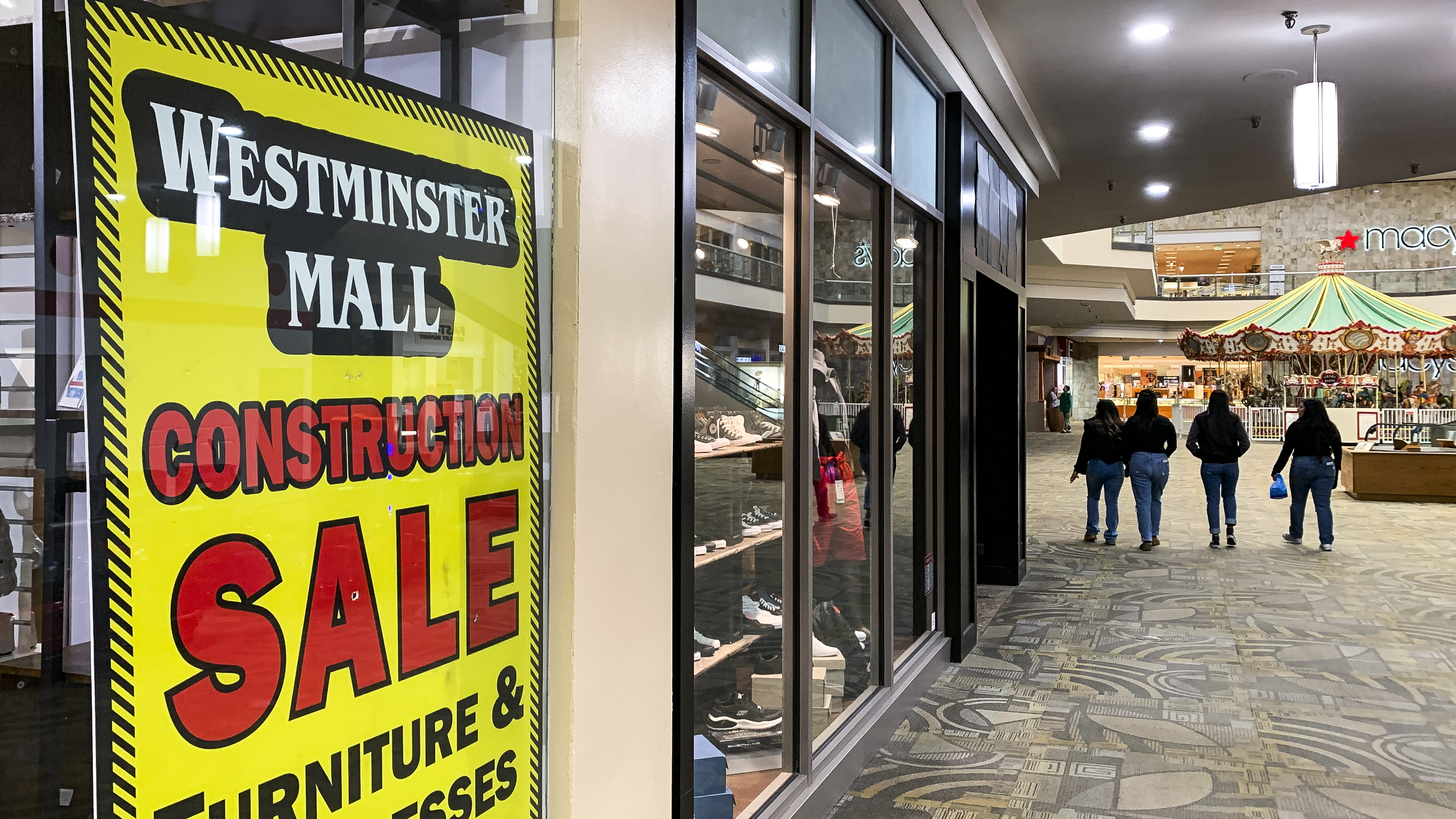
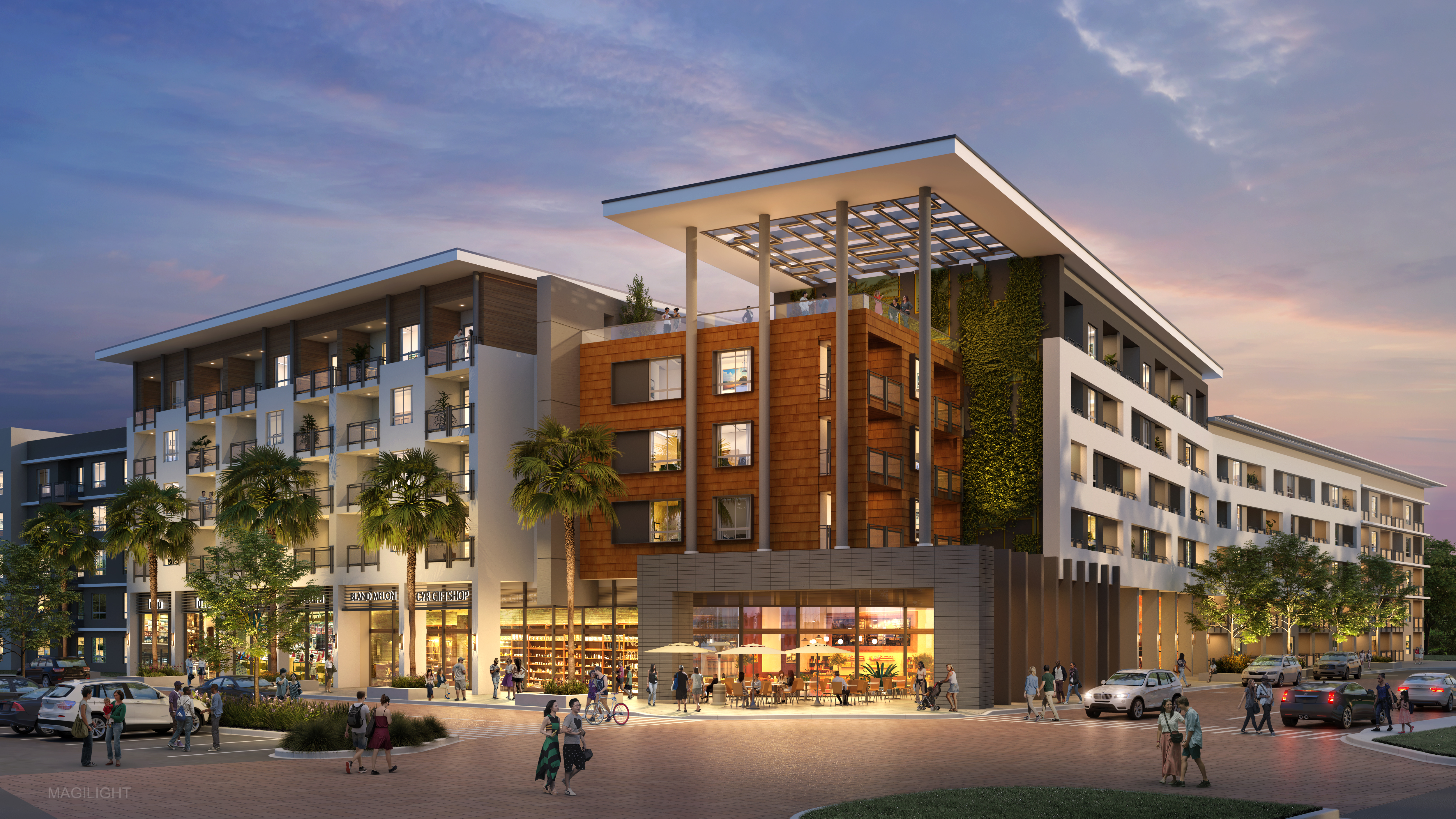
Another redevelopment project currently in progress in Westminster, California, will create more than 1,100 housing units, a hotel, and about 25,000 square feet dedicated to retailers and restaurants, according to a plan backed by Shopoff Realty Investments. Some parts of the mall, including an existing Target store, will remain, but a former Sears and still open Macy’s would be replaced under the proposed plan.
“Abandoned malls typically have an excess of land underutilized by vast areas of parking,” Bill Shopoff, president and CEO of the company, said. “These areas can be transformed through mixed-use projects and destination-type operators.”
If successful, the Westminster Mall would be rechristened into the “Bolsa Pacific at Westminster” and feature green spaces like a 2.5-acre park, promenades, a dog park, outdoor dining, and an amphitheater. The inclusion of these features, Shopoff said, reflects local city surveys where the top requests from residents were for more outdoor spaces.
“Community feedback is essential to how we design a product for each individual community,” Shopoff said.
Abandoned malls aren’t a uniquely American problem. In Germany, Jasper Architects won a competition held by Austria-based property giant Signa Group to redevelop a former East German shopping mall. “It became a victim of the retail apocalypse,” said founder and architect Martin Jasper, who trained in Berlin and has spearheaded projects across Europe, South America, and the Middle East.
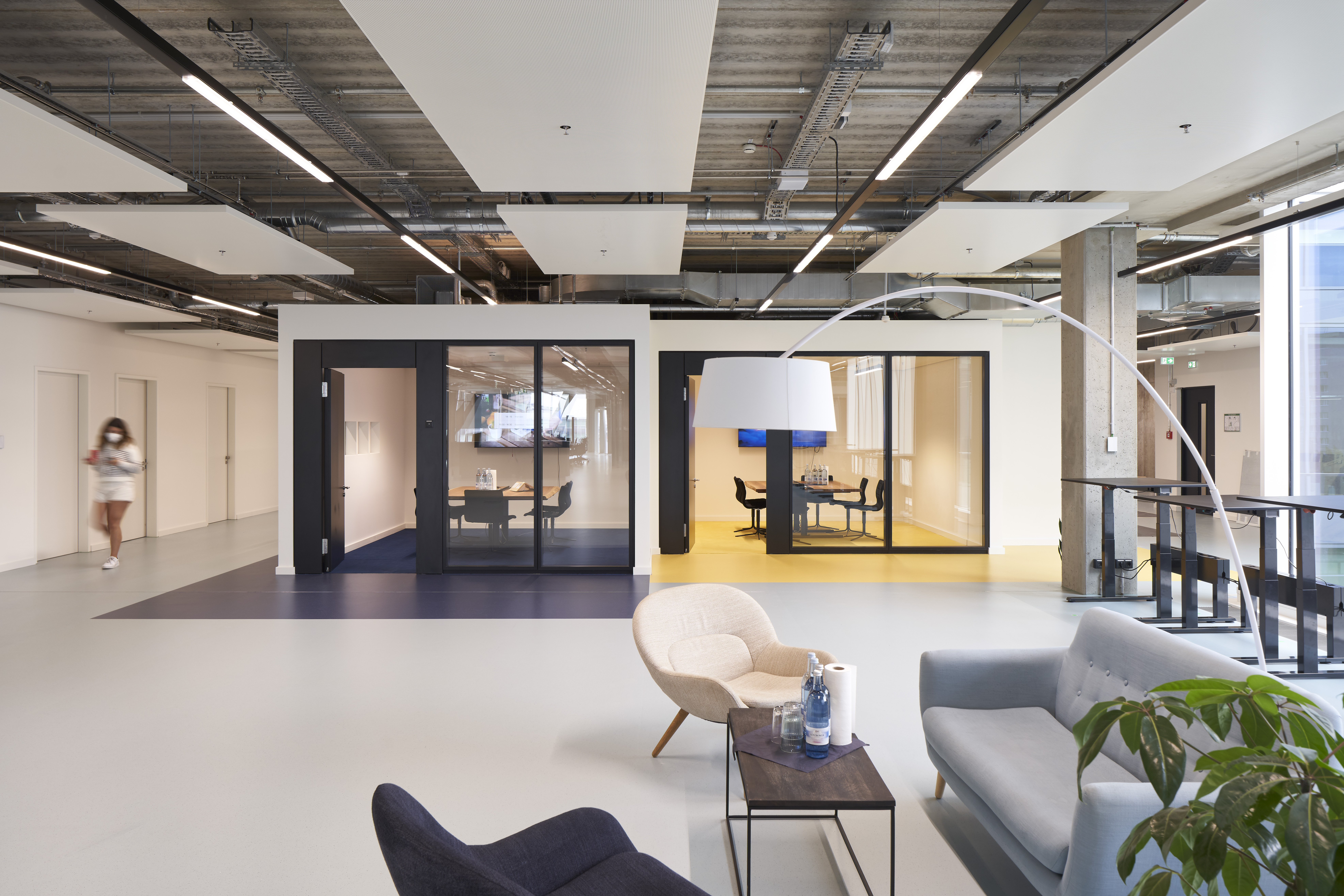
Jasper won Signa’s blessing to turn the building into an office meant to house startups like Zalando, a German online retailer that was among the rivals that led to the demise of physical retail shopping in the region in the first place. The architect carved out geometric spaces, which he called “canyons,” to let in more natural light, added two floors to the top of the building to regain the real estate lost from that development, and added terraces on each floor and outdoor space on the top of the building for all tenants to access.
Inside, huge staircases that were meant for a department store were gutted and turned into far narrower fire-escape stairs, with the remaining space allocated for meeting rooms.
“The geometry of the design, the reason for it being the way it is, is because of the natural light that we wanted to bring in,” Jasper said. What was “a really closed, monolithic block in the city is now a completely transparent building.”
But Signa has itself learned a hard lesson in retail. With big, splashy department-store projects in Germany, Switzerland, and Austria, Signa found itself saddled with $5 billion in debt and overwhelmed by interest-rate increases, a war in Ukraine, and inflation. The company filed for insolvency last year.
“Venturing into retail was a mistake,” Alfred Gusenbauer, a former politician and one of the most senior executives of Signa, said in a radio interview earlier this year.
John Kell is a New York-based freelance writer covering consumer trends, technology, leadership, and sustainability. He has reported for Fortune Magazine, Business Insider, Fast Company, Forbes, and The Wall Street Journal.