

DO YOU EVEN SIP, BRO?
.gif?auto=compress%2Cformat&cs=srgb&fit=max&w=3840)
“Broistas” and protein-maxxing: Dutch Bros and other unlikely coffee challengers are terrifying Starbucks
The sudden rise of upstarts like Dutch Bros and 7 Brew shows how consumer preferences around coffee have changed.
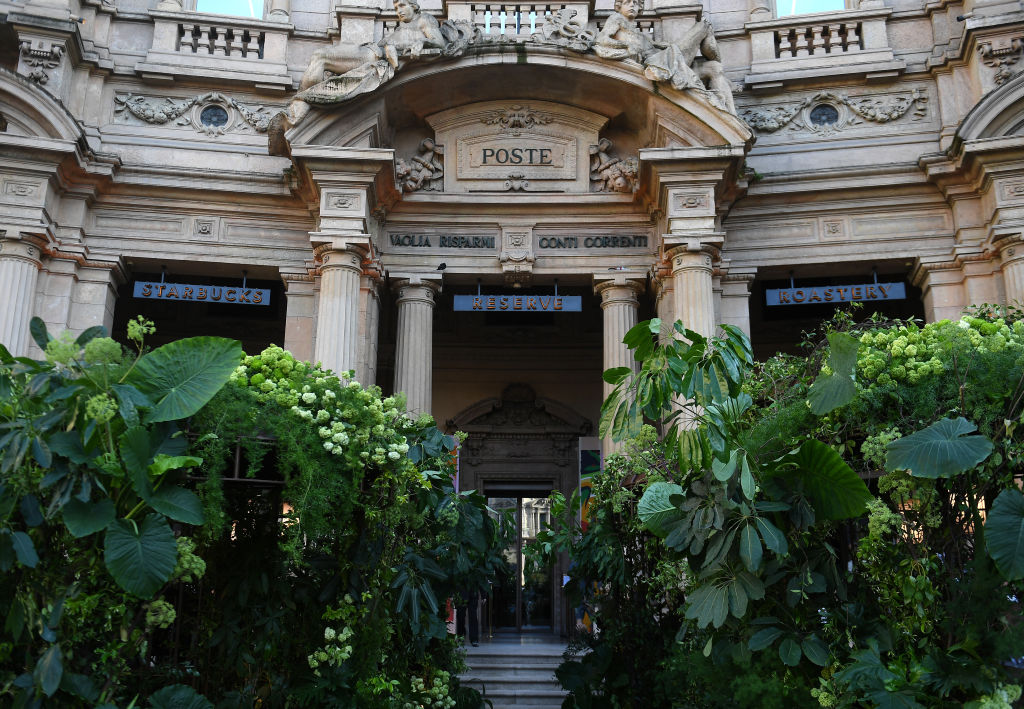
Nearly 10 years ago, Starbucks, deploying borderline ridiculous references to “the craftsmanship of the Milanese barista” and “the spirit of the Italian people,” announced that it would open its first-ever store in Italy.
“Starbucks history is directly linked to the way the Italians created and executed the perfect shot of espresso,” then CEO Howard Schultz gushed at the time. “Everything that we’ve done sits on the foundation of those wonderful experiences that many of us have had in Italy, and we’ve aspired to be a respectful steward of that legacy for 45 years.”
Fast-forward to last week, when the company made a decidedly American menu decision: after netting its highest US sales week in company history with the return of its pumpkin spice lineup, Starbucks announced it would add protein-infused cold foam and protein lattes to its menu. “Crafted with protein-boosted milk, Starbucks protein lattes will deliver approximately 27 to 36 grams of protein per grande beverage while maintaining the rich, bold flavor and smooth texture customers know and love,” the company promised.
Americans’ preferences, as it turns out, are not as timeless as the steadfast virtuosity of the humble Milanese craftsman or Italy’s vaunted coffee culture. We’ve now entered a consumer landscape where “grams of protein per grande beverage” is a unit of both measurement and aspiration.
The life of Starbucks as a self-styled craft coffee brand has always been undercut by its ambition to be an enormous chain with mass appeal. But its recent drift into the world of functional beverages — “protein-maxxing” being its latest experiment — reveals something else about what US coffee drinkers increasingly want in their personalized paper cups.
Hopping on an earlier wellness trend, the company served up antioxidant-packed turmeric lattes for a while and, last year, it introduced (and later discontinued) a line of handcrafted energy drinks with the caffeine content of six cans of Coca-Cola. Now that American consumers are deep in the throes of a protein renaissance, Starbucks is in hot (possibly burnt) pursuit of a younger coalition of gym rats, RFK Jr. acolytes, and GLP-1 users who want to beef up their macronutrient count more than already necessary.
Ordinarily, the fickle comings and goings of consumer trends (I still love you, sriracha) wouldn’t be the cause of existential alarm for a company like Starbucks. But the slow emergence of a new type of beverage drinker — indifferent to and perhaps dismissive of Starbucks’ ventis, grandes, and general Italophilia — has raised the fortunes of a new type of competitor. As Sherwood News’ Claire Yubin Oh and David Crowther reported, while Starbucks recently saw its same-store sales dip 2% year over year, the biggest gainer (up 6.1%) across the whole quick-service kingdom was a coffee chain called Dutch Bros .
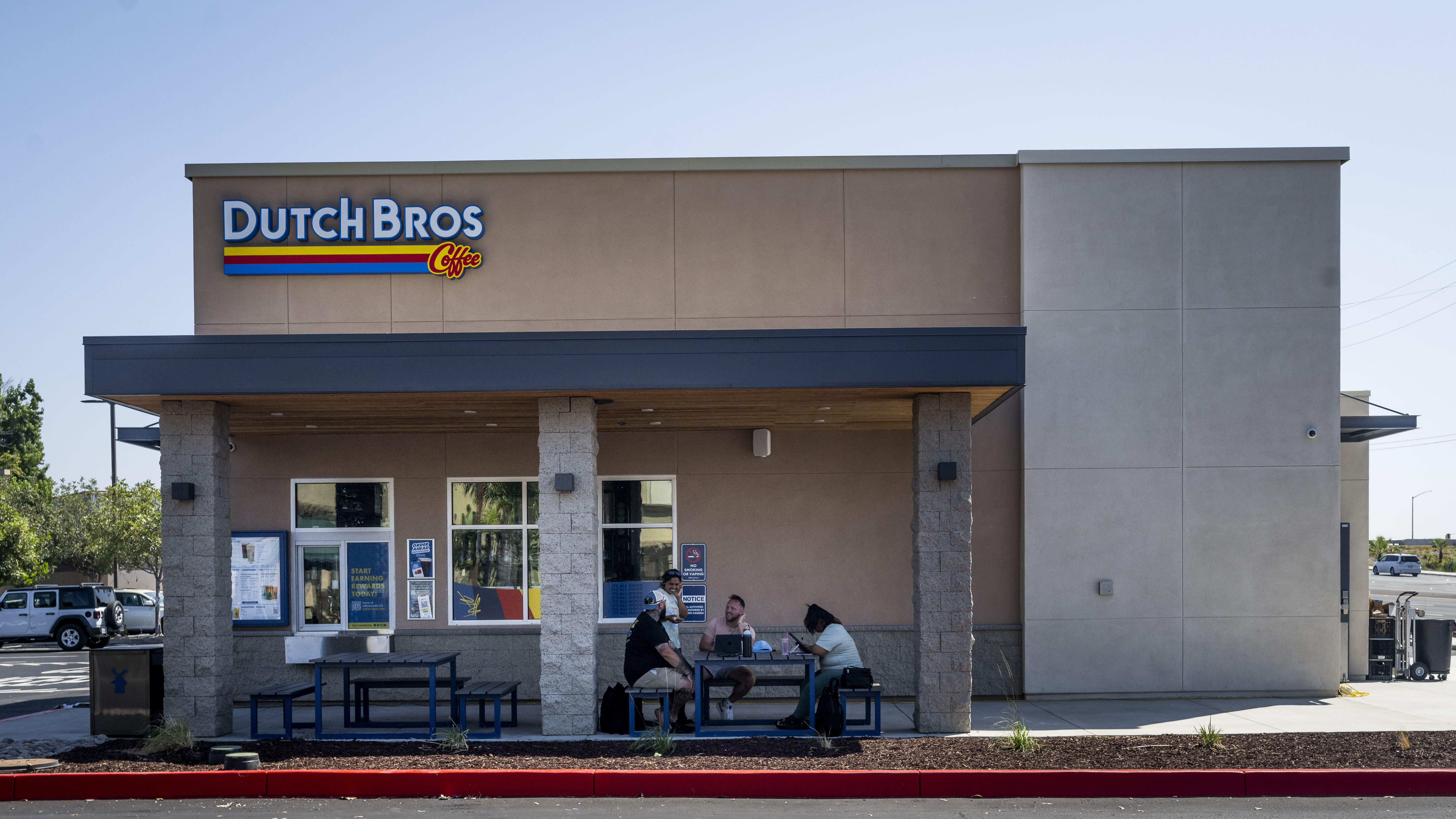
For the uninitiated, the Oregon-born coffee chain, which is now headquartered in Arizona, is anything but artisanal: its employees are sincerely called “broistas” and its menu has entire sections of “protein coffee” options, smoothies, and customizable energy drinks with names like Tiger’s Blood and Kick in Da Face.
Also, a medium iced coffee at Dutch Bros is a whopping 24 ounces compared to the wimpy 16-ounce standard at Starbucks. Thumbing a collective nose at the real estate expenses and third-space whimsy of the coffeehouse concept, many of Dutch Bros’ stores are drive-thru only. The company recently hit the 1,000-store mark across 19 states and not only plans to open 160 more outposts in the second half of this year, but it also recently revised its national growth plan upward from 4,000 stores to 7,000 stores.
Dutch Bros isn’t alone in incorporating the growing lust for functional (or perhaps hyperfunctional) coffee and energy drinks into its model. While the broistas have been making a name for themselves largely out west, 7 Brew Coffee emerged out of Arkansas and has opened nearly 500 stores across 34 states since 2017. Like Dutch Bros, it operates primarily as a drive-thru only, sports a number of energy drinks on its menu, tends to avoid focusing its growth within the nation’s largest cities, and prominently features coffee drinks with six full shots of espresso.
While the two chains are still relative unknowns in certain geographic centers and national news hubs, they’re hardly upstarts at this point: Dutch Bros went public in 2021, with founder Travis Boersma ringing the New York Stock Exchange bell in a Rage Against the Machine T-shirt. Meanwhile, Jimmy John Liautaud (of Jimmy John’s fame) and Lone Star Steakhouse founder Jamie Coulter were early investors in 7 Brew before selling their majority stakes in the company as part of an investment deal with Blackstone last year. Tellingly, in 2023, 7 Brew CEO John Davidson described his ambition to grow the brand into “the Dollar General of coffee.”
@dutchbroscoffee the last girl had us crying fr #dutchbros #dutchluv #fyp ♬ original sound - Dutch Bros Coffee
If anyone is well attuned to the dangers of ignoring the demands of the younger consumer, it’s Starbucks CEO Brian Niccol, whose tenure at the company began one year ago after declining sales and stumbling share prices. Starbucks poached Niccol from Chipotle, where he had been tasked with solving the chain’s loyalty crisis in the wake of its cataclysmic food-borne illness scandals. (Before that, Chipotle poached him from Taco Bell.)
Within weeks of Niccol’s arrival, Starbucks ditched the Oleato, its frankly weird line of olive-oil-infused drinks that former Starbucks CEO Howard Schultz discovered during a trip to Sicily. The company also returned the milk and sweetener bars to its stores, knocked off its upcharges for milk substitutes, and ended its open-door policy of allowing people to linger in its stores or use its bathrooms without making a purchase. (Meanwhile, management has reportedly slow-walked negotiations with its unionizing employees.)
In other words, Starbucks seems to be moving away from its more performatively enlightened era, when coffee was a highbrow craft instead of fuel and where the coffeehouse was a community hub instead of an outpost for quick and easy commerce. At the same time, American consumers — particularly younger ones desperate for value and thirstier than ever for functional beverages — are already pulling up to new places where poppin’ boba or protein milk is more than enough of a taste of la dolce vita.



