Business
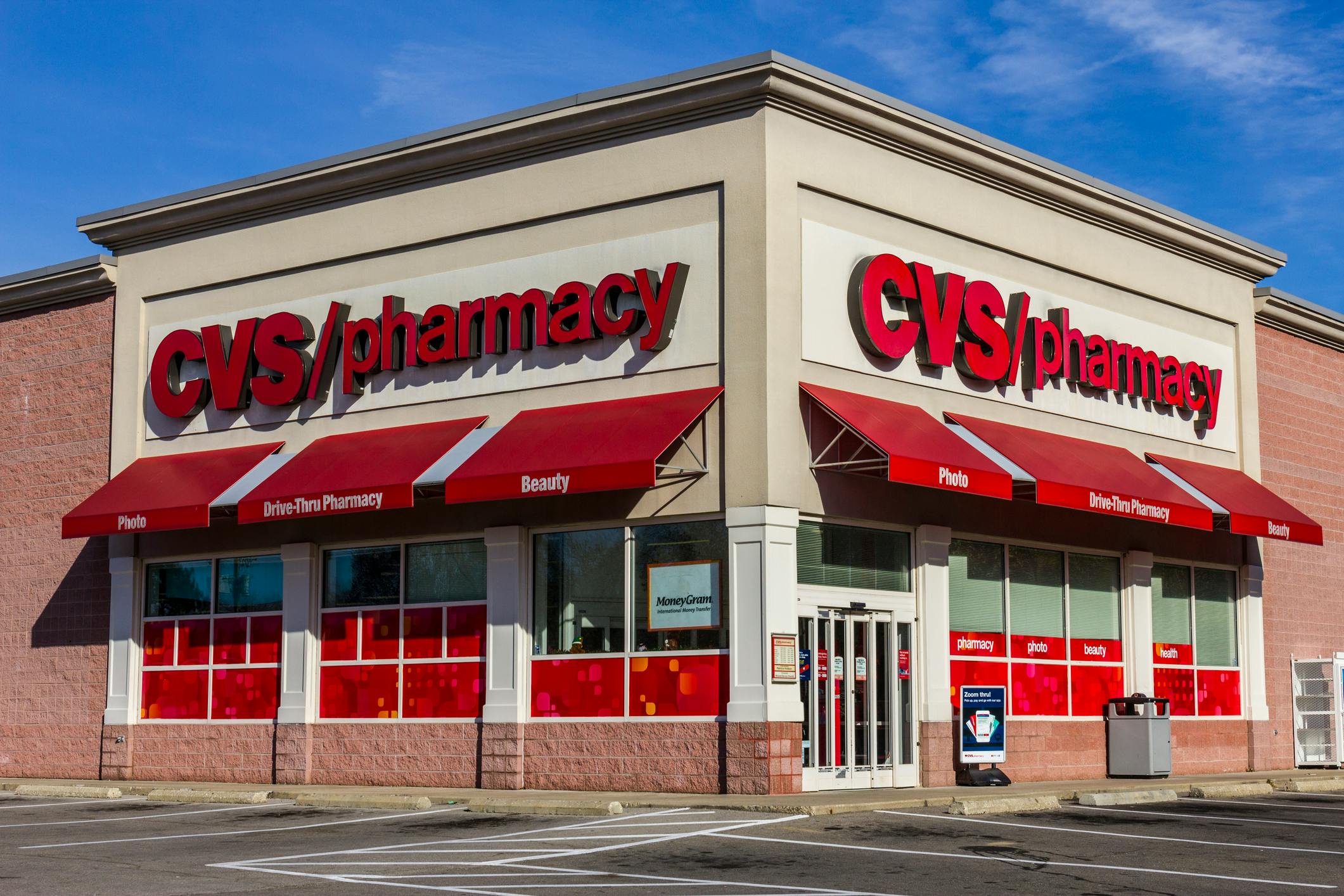
CVS Pharmacy Retail Location VI
(Getty Images)
Down with the sickness

Why medical costs are dragging down health insurers

Shares of CVS plunged Friday after CEO changes and a profit warning, but the reason behind declining forecasts is spreading throughout the industry.

Yiwen Lu

Shares of CVS tumbled more than 9% on Friday as the embattled pharmacy giant warned on earnings and replaced CEO Karen Lynch with David Joyner, who most recently was the head of CVS’s pharmacy benefit business. 

CVS has had a few months of upheaval. It delivered earnings that missed expectations for two quarters straight and was reportedly considering a breakup under pressure from activist interests. (The company said Friday that it would not pursue one.) While announcing the leadership changes, CVS also cut its previous profit forecasts due to “elevated medical cost pressures.”

Through its ownership of Aetna, CVS offers both Medicare and Medicaid programs. And in the past year, the rising demand for medical care among an aging customer base pushed its Medical Benefit Ratio — the percentage of premiums spent on healthcare — higher. The company said that its expecting its third-quarter MBR to be 95.2%, which would be an almost 10% increase from 85.7% a year ago.

Joyner wrote in an internal memo to staff that “it is no secret that our industry faces significant and dynamic challenges,” Bloomberg reported

That’s true: CVS is not alone in an industry thats grappling with the impact of rising medical costs. Despite delivering an earnings beat, UnitedHealth stock fell sharply earlier this week as it reported growing utilization of care in its Medicare and Medicaid insurance books. The shares of premiums that UnitedHealth spent on patient care were 85.2%. Rival Elevance Health on Thursday blamed its revenue shortfall to rising cost pressures in its Medicaid business, adding that the medical cost trend in 2024 was expected to be 3x to 5x the historical average. 

In addition to higher demand from higher-cost customers, the Biden administration pulling back reimbursement for Medicare and Medicaid also added to the cost pressure on many insurers. The government has cut the Medicare Advantage rates for 2025 modestly, which insurers argued were lower than expectations.

More Business

See all Business
business
Tom Jones

Demis Hassabis, Google DeepMind’s CEO and founder, was also an early Anthropic investor

A chess prodigy and an actual a knight of the realm in the UK, it’s perhaps no surprise that Demis Hassabis has made some strategic moves about his exposure to AI upside. According to people familiar with the matter, the influential AI architect became an angel investor in Anthropic, currently behind many of the leading AI models, per Arena AI leaderboards.

The Nobel Prize winner’s position in the Claude creator was previously undisclosed and, per the Financial Times, highlights Hassabis’ “growing influence across the AI industry.”

Google, which bought DeepMind, the company that Hassabis cofounded and heads to this day, for a reported ~$400 million in 2014, is also a key Anthropic investor. The tech giant reportedly plans to invest up to $40 billion in the AI company as part of the mutually beneficial relationship the pair have forged, with reports that Anthropic has committed to spending $200 billion in the other direction on Google’s cloud services over the next five years.

Im playing all sides, so I always come out on top

In addition to his financial support for Anthropic, Hassabis has also invested in a range of AI startups launched by colleagues, such as Inflection AI, a company set up by DeepMind cofounder Mustafa Suleyman (who is now CEO of Microsoft AI), as well as efforts from other collaborators, like David Silver’s Ineffable Intelligence.

Hassabis also emerged as a recurring figure on the fringes of the recent Elon Musk v. Sam Altman trial, cropping up repeatedly in testimonies and court documents and appearing to live, as The Verge put it, “rent-free” in Musk’s head.

Founded in 2021, Anthropic has recently raised funding at a reported $900 billion valuation, sending it soaring ahead of competitor OpenAI.

The Nobel Prize winner’s position in the Claude creator was previously undisclosed and, per the Financial Times, highlights Hassabis’ “growing influence across the AI industry.”

Google, which bought DeepMind, the company that Hassabis cofounded and heads to this day, for a reported ~$400 million in 2014, is also a key Anthropic investor. The tech giant reportedly plans to invest up to $40 billion in the AI company as part of the mutually beneficial relationship the pair have forged, with reports that Anthropic has committed to spending $200 billion in the other direction on Google’s cloud services over the next five years.

Im playing all sides, so I always come out on top

In addition to his financial support for Anthropic, Hassabis has also invested in a range of AI startups launched by colleagues, such as Inflection AI, a company set up by DeepMind cofounder Mustafa Suleyman (who is now CEO of Microsoft AI), as well as efforts from other collaborators, like David Silver’s Ineffable Intelligence.

Hassabis also emerged as a recurring figure on the fringes of the recent Elon Musk v. Sam Altman trial, cropping up repeatedly in testimonies and court documents and appearing to live, as The Verge put it, “rent-free” in Musk’s head.

Founded in 2021, Anthropic has recently raised funding at a reported $900 billion valuation, sending it soaring ahead of competitor OpenAI.

Latest Stories

Sherwood Media, LLC and Chartr Limited produce fresh and unique perspectives on topical financial news and are fully owned subsidiaries of Robinhood Markets, Inc., and any views expressed here do not necessarily reflect the views of any other Robinhood affiliate, including Robinhood Markets, Inc., Robinhood Financial LLC, Robinhood Securities, LLC, Robinhood Crypto, LLC, Robinhood Money, LLC, Robinhood U.K. Ltd, Robinhood Derivatives, LLC, Robinhood Gold, LLC, Robinhood Asset Management, LLC, Robinhood Credit, Inc., Robinhood Ventures DE, LLC and, where applicable, its managed investment vehicles.