Business

GM, Ford, and other carmakers’ shares make a U-turn as Mexico says tariffs delayed

Last year, more than one in five (22%) of every light vehicle sold in the US was imported from Canada or Mexico, according to S&P Global Mobility. Understandably, that leaves the auto industry incredibly vulnerable to 25% tariffs on the two countries.

After whipsawing last week, General Motors and Ford shares sank in early trading Monday, but both largely recovered after Mexico’s president, Claudia Sheinbaum, announced tariffs would be delayed for one month after talking with President Trump.

GM, the largest US automaker, made around 900,000 vehicles in Mexico last year. Many of those were top-selling models like the Silverado pickup and the GMC Sierra.

Ford is less exposed than its Detroit rival, with 82% of its vehicles produced in North America built in the US. Still, some vital components of F-series pickup trucks and Mustangs are imported from Canada and Mexico.

Tariff worries are affecting competitors, too: up to a quarter of the components in 2025 Tesla vehicles come from Mexico. Jeep maker Stellantis, Toyota, and Honda each make close to 40% of their North American cars in Canada or Mexico. Like GM and Ford, the carmakers’ stocks remain down but have rebounded from earlier lows today.

More Business

See all Business
business

JM Smucker says it sold $1 billion worth of Uncrustables in FY2026

After years of booming sandwich sales, JM Smucker has finally earned a billion-dollar crust.

On Tuesday, the company reported results for fiscal year 2026, highlighting better-than-expected profits driven by higher prices for coffee and sweet baked goods. However, at another point on the earnings call, CEO Mark Smucker pointed to one particularly jammy figure: in line with previous forecasts, the company sold $1 billion worth of its (almost always) crustless sandwiches, Uncrustables, in the last year alone.

business

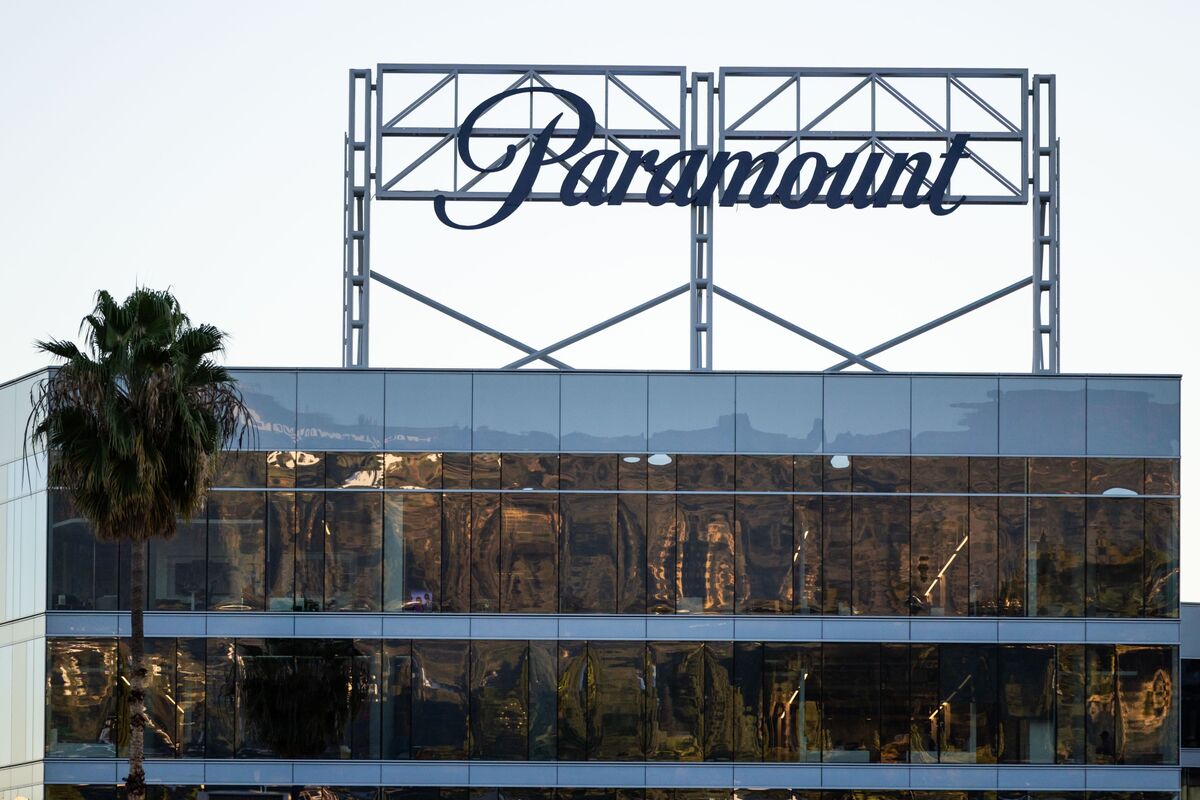
Paramount reportedly offers concessions to resolve multistate antitrust investigation

Paramount has reportedly offered up some concessions in an effort to prevent an antitrust lawsuit by California and about 10 other states, according to Bloomberg reporting on Monday.

Reuters first reported on the potential suit from a group of unnamed states last week, which could throw a wrench in Paramount’s plans to buy rival Warner Bros. Discovery in a Hollywood megamerger.

The list of concessions is unknown, though Bloomberg previously reported that Paramount is open to divesting some of its kids TV assets to appease EU regulators.

Late last month, reports said US regulators appeared likely to approve the $110 billion merger, following a meeting between Paramount CEO David Ellison and DOJ antitrust staffers.

The list of concessions is unknown, though Bloomberg previously reported that Paramount is open to divesting some of its kids TV assets to appease EU regulators.

Late last month, reports said US regulators appeared likely to approve the $110 billion merger, following a meeting between Paramount CEO David Ellison and DOJ antitrust staffers.

$98B ⛽

The IATA released its latest financial outlook for the airline industry over the weekend, forecasting a $98 billion jump in the sector’s collective fuel bill. The world’s largest trade group representing airlines expects the oil spike to halve profits by 49% from last year to $23 billion.

The group also expects profit margins to halve year over year, falling from 2025’s 4.2% to 2%. Still, revenue is expected to climb to $1.17 trillion from $1.07 trillion.

A surge in the cost of jet fuel has rocked US and global airlines this year, leading Delta Air Lines, United Airlines, American Airlines, Southwest Airlines, JetBlue, and others to raise fares and ancillary charges like bag fees. Low-cost carriers, which operate on smaller margins, have been squeezed the hardest, resulting in Spirit’s shutdown.

“It’s a tough year for all airlines, especially those whose balance sheets had not yet recovered from COVID. And, of course, for those operating in the Gulf,” said IATA Director General Willie Walsh, who added that demand is holding up and about half of passengers expect to spend more on travel this year. “That bodes well for a strong northern summer peak season. The big unknown is how long travelers and shippers can tolerate the higher costs of connectivity.”

Hollywood Exteriors And Landmarks - 2025

1 year into the Switch 2, we might’ve seen the top of the console market

The Switch 2 launched on this day in 2025. Amid a rough year for consoles, Nintendo has logged a good one.

business

GM has reportedly rehired more than 100 former Cruise employees, 18 months after shuttering the robotaxi unit

GM has rehired more than 100 employees it let go early last year when it shuttered Cruise, its former robotaxi business, according to reporting by The Information.

The hiring spree, which also includes employees from Nvidia and Uber, is geared toward ramping up GM’s plans for personal-use self-driving vehicles and not robotaxis. The former had been the focus of Cruise, prior to GM shuttering it in 2024.

Reporting last fall revealed that GM was attempting to rehire some former Cruise employees, but the scope of that effort wasn’t clear. More than 1,000 employees were laid off when the automaker scrapped Cruise, which it invested $10 billion into.

Google’s Waymo, Cruise’s former chief rival, is now worth $126 billion after a $16 billion funding round earlier this year. The company says it’s serving 500,000 paid robotaxi rides per week in the US.

Reporting last fall revealed that GM was attempting to rehire some former Cruise employees, but the scope of that effort wasn’t clear. More than 1,000 employees were laid off when the automaker scrapped Cruise, which it invested $10 billion into.

Google’s Waymo, Cruise’s former chief rival, is now worth $126 billion after a $16 billion funding round earlier this year. The company says it’s serving 500,000 paid robotaxi rides per week in the US.

Latest Stories

Sherwood Media, LLC and Chartr Limited produce fresh and unique perspectives on topical financial news and are fully owned subsidiaries of Robinhood Markets, Inc., and any views expressed here do not necessarily reflect the views of any other Robinhood affiliate, including Robinhood Markets, Inc., Robinhood Financial LLC, Robinhood Securities, LLC, Robinhood Crypto, LLC, Robinhood Money, LLC, Robinhood U.K. Ltd, Robinhood Derivatives, LLC, Robinhood Gold, LLC, Robinhood Asset Management, LLC, Robinhood Credit, Inc., Robinhood Ventures DE, LLC and, where applicable, its managed investment vehicles.