Business
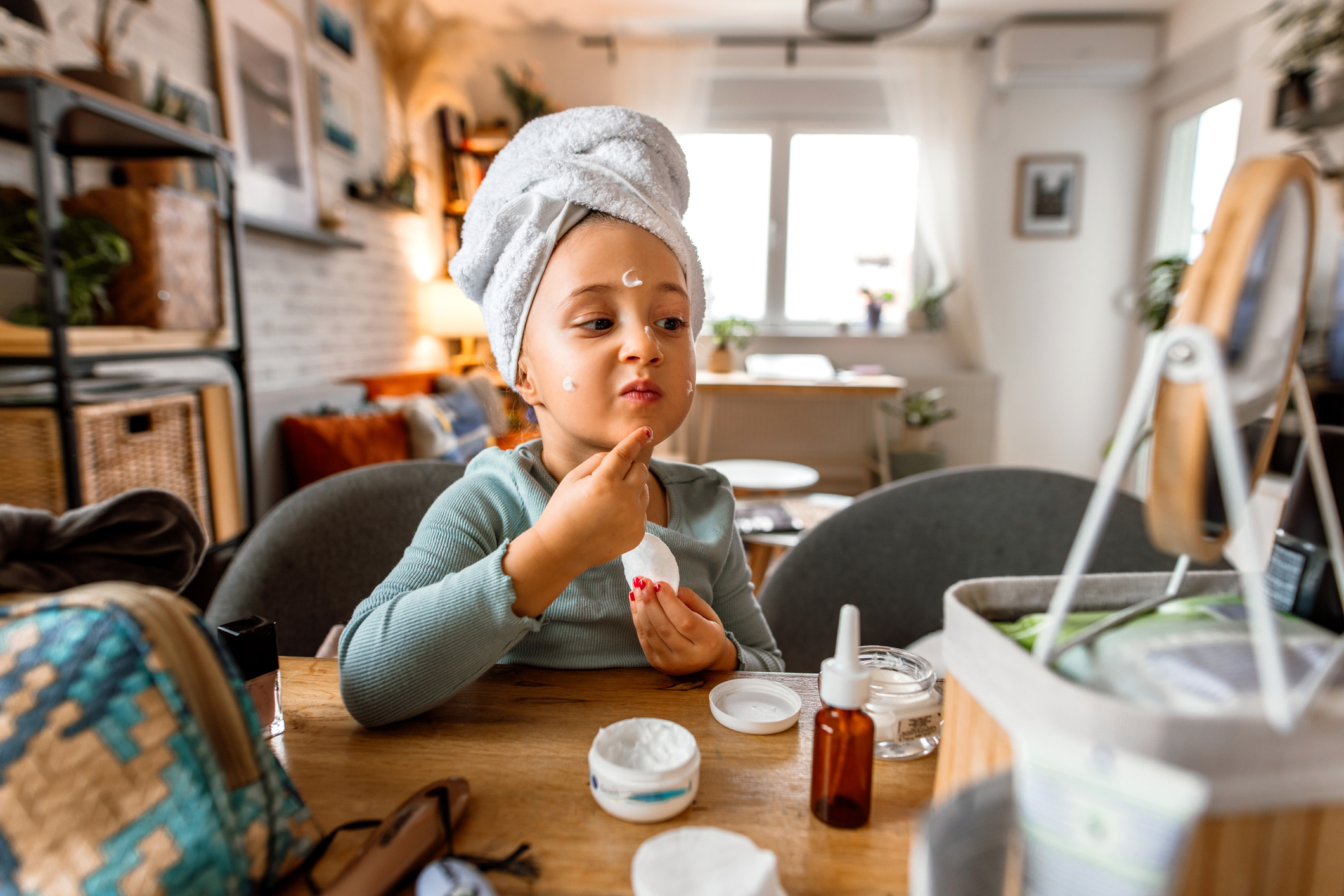
Little girl enjoying beauty routine in morning.
(Getty Images)

The most lucrative trend in beauty: very good for the skin-care industry, very bad for young skin

The beauty business is aiming at Gen Z and Gen Alpha’s trillion-dollar spending power and thirst for glowy skin.

Nearly half of US tween girls use skin care and makeup, and many are getting advice from influencers on social media. That viral video influence has given rise to culty skin-care brands like Drunk Elephant, which have lured the Gen Z and Gen Alpha with ingredient-promoting products like D-Bronzi drops and Protini polypeptide creams. But beyond the cutesy pastel packaging and trendy multistep skin-care routines, experts say a lot of products beloved by the youth aren't made for them.  

“Younger consumer bases have become very excited about things like skin care, which may or may not be appropriate for their skin,” Amber Evans, who holds a doctorate in pharmaceutical sciences with a concentration in cosmetic science, told Sherwood News. She is chair of the New York Society of Cosmetic Chemists. 

“Kids want to play, so they use makeup that is not intended for them — it’s for adults.”

Teens are a crucial demographic for the beauty business, and the youngest consumers were the hottest topics at this year’s Suppliers’ Day in New York. It’s a major beauty event, and for good reason: Gen Z has around $450 billion in global spending power, and Gen Alpha is forecast to hit $5.5 trillion by 2029. Beauty is apparently already top of mind for many of them, with American teens spending 19% more on skin care last year than in 2022. 

While preventive skin care as a whole isn’t a bad thing, some teens are throwing too many unnecessary ingredients on their faces Antiaging ingredients like salicylic acid, retinols, and peptides have long been touted as treatments for fine lines and wrinkles on mature skin. But most young people don’t have wrinkles, and the potent ingredients can cause harm

During a panel discussion on branding to the future consumer, Karen Young, CEO and founder of the Young Group, said many teens are feeling pressured to use the products anyway. Young noted that while the younger generations have helped boost bottom lines for beauty retailers like Sephora and Ulta, there’s an importance in bridging the knowledge gap.

“It comes back to education,” she said, “teaching young kids and young consumers about sunscreen and not about scrubbing their face with a buff puff, and an alpha hydroxy acid, and then another salt scrub.” 

In fact, UV protection is more important than most people probably realize: the Environmental Protection Agency said sun damage causes up to 90% of all visible signs of aging, including wrinkles and leathery skin.

“Brands can just make any claims and you don't have to have any proof.”

To combat potential misinformation, Young said, the industry should stop leaving it up to influencers. Nearly half of US teens aged 12 to 17 are discovering beauty and personal care on products on social media, such as the get-ready-with-me (or #GRWM) trend on TikTok. Young also said the beauty industry should hold itself accountable to telling young consumers what’s actually good for their skin and what’s not. 

That said, the lack of ingredient awareness starts long before middle school. A 2023 survey conducted by Columbia University and nonprofit Earthjustice found that 80% of parents said their under-12 children were playing with makeup that was packaged as toys, though their ingredients were not meant for kids. The report went on to show how many “kids cosmetics” contain toxic chemicals like lead, formaldehyde, and even carcinogens such as asbestos. Now some parents are taking matters into their own hands. 

Last year, Thai-Ling Cahow launched Jovy, the first-ever EWG-certified kids’ makeup brand using ingredients like berries and natural oils from olives and avocados. The Environmental Working Group is a nonprofit research organization known for strict ingredient and transparency requirements for its “EWG-verified” trademark.

“I found that brands can just make any claims and you don't have to have any proof,” Cahow told Sherwood. “It doesn't have to be true.” Jovy’s website says that while the European Union has banned 1,400+ ingredients for cosmetic use, the US FDA has banned just 11. Even the FDA’s website says manufacturers can use and market “almost any raw material as a cosmetic ingredient” without approval.

“Kids want to play, so they use makeup that is not intended for them — it’s for adults.” Cahow said. “So there's a lot of ingredients that they shouldn’t be using.”

As kids’ and tweens' interest in skin care continues to pick up, more education could help make sure they're doing it right.

One solution Evans suggested is to rethink how we show skin-care results. Typically, before-and-after photos show how a product works as intended for its target age range. But Adams proposed adding a layer depicting the potential consequences if products are used too early.

“Perhaps the industry needs to get ahead of this and kind of put out communication saying that younger individuals don't need certain products,” Evans said. “Because what we see is, usually when consumers take control of things, it doesn't fare well for everyone.”

More Business

See all Business
business
Tom Jones

Prime Day is here again and Amazon’s subscription service has never been more popular

Well, it’s that time of year again: many have made their wish lists, people are scraping together the money they’ve saved to pick out a perfect gift, some are presumably leaving out refreshments for the weary delivery drivers and, more and more, drones.

It’s Amazon Prime Day — meaning that it’s the second day of the four-day promotional event that Amazon still calls Prime Day — of course, and it’s even come early this year, with the company bringing the period into late June from July, when it’s been traditionally held for the last five years.

The Prime Age

Alongside the eyes and endless clicks that the arbitrary stream of listicles on “The Best Prime Day Deals” that almost every media outlet pours into, Amazon will also be cheering the fact that there’s now more Prime users than ever before to devour the retailer and its sellers’ sometimes-contested “discounts.” Indeed, according to the latest annual estimates from Consumer Intelligence Research Partners (CIRP), there were just over 200 million American shoppers using Amazon’s massive subscription service at the end of 2025.

business

Electronic Arts launches a platform to put more ads in its games

Video game publishing giant EA launched a new platform on Monday designed to make the process of selling immersive ad space in its popular games easier.

The company says the platform, called EA Advertising, allows brands to “integrate directly into gameplay through dynamic, real-time placements, from stadium signage to custom in-game content.”

More so than other studios, EA has incorporated advertising into its most popular titles. As Kotaku points out, the company’s ad efforts stretch as far back as 2006. Several of its sports franchises already feature partnerships with brands like Visa, Lowe’s, Red Bull, and PepsiCo.

In-game advertising hasn’t exactly been embraced by fans, but industry experts expect it to ramp up as companies seek more revenue to offset higher games budgets and surging memory costs. EA rival Take-Two has taken a different approach, with CEO Strauss Zelnick recently saying the company was “not at risk of doing brand partnerships” in the forthcoming “Grand Theft Auto VI,” and that ads in full-price games seems “unfair.”

The $55 billion deal to take EA private, led by Saudi Arabia’s Public Investment Fund, is set to close at the end of this month. Being the largest leveraged buyout in history, EA will likely look for more ways to boost revenue to cover interest payments.

More so than other studios, EA has incorporated advertising into its most popular titles. As Kotaku points out, the company’s ad efforts stretch as far back as 2006. Several of its sports franchises already feature partnerships with brands like Visa, Lowe’s, Red Bull, and PepsiCo.

In-game advertising hasn’t exactly been embraced by fans, but industry experts expect it to ramp up as companies seek more revenue to offset higher games budgets and surging memory costs. EA rival Take-Two has taken a different approach, with CEO Strauss Zelnick recently saying the company was “not at risk of doing brand partnerships” in the forthcoming “Grand Theft Auto VI,” and that ads in full-price games seems “unfair.”

The $55 billion deal to take EA private, led by Saudi Arabia’s Public Investment Fund, is set to close at the end of this month. Being the largest leveraged buyout in history, EA will likely look for more ways to boost revenue to cover interest payments.

business

JM Smucker says it sold $1 billion worth of Uncrustables in FY2026

After years of booming sandwich sales, JM Smucker has finally earned a billion-dollar crust.

On Tuesday, the company reported results for fiscal year 2026, highlighting better-than-expected profits driven by higher prices for coffee and sweet baked goods. However, at another point on the earnings call, CEO Mark Smucker pointed to one particularly jammy figure: in line with previous forecasts, the company sold $1 billion worth of its (almost always) crustless sandwiches, Uncrustables, in the last year alone.

business

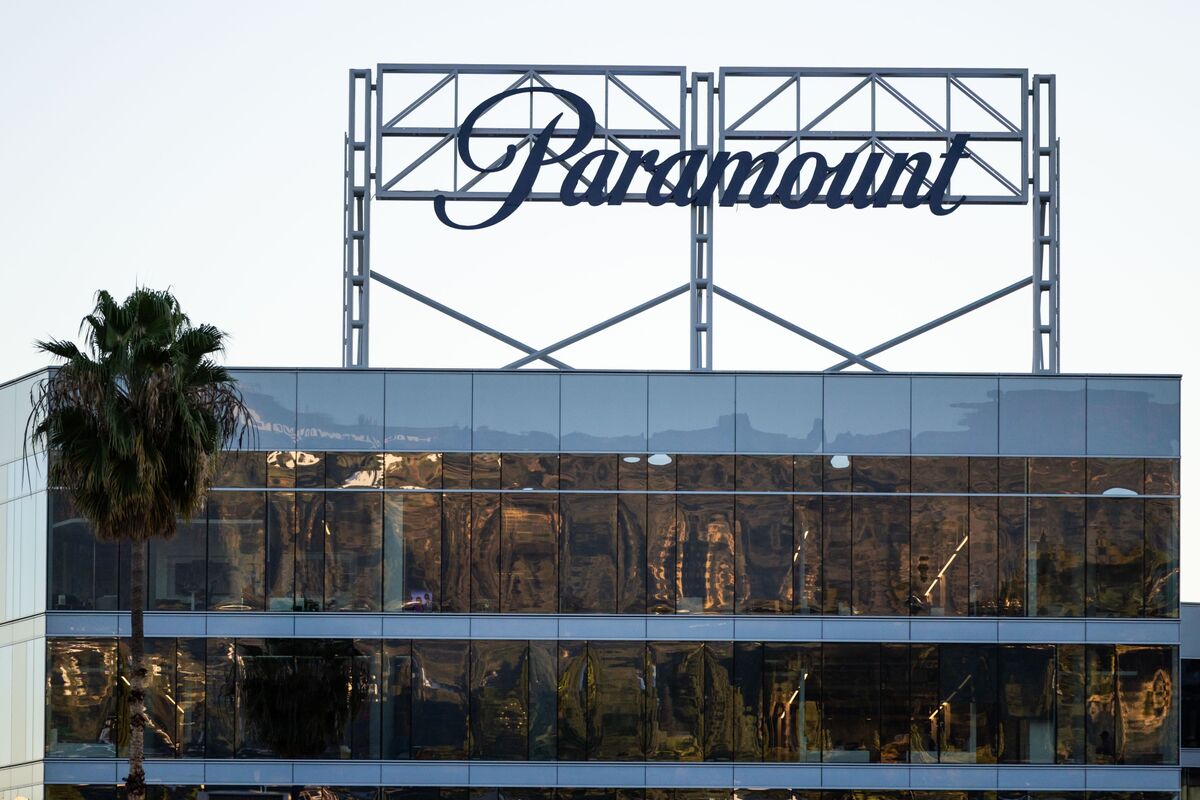
Paramount reportedly offers concessions to resolve multistate antitrust investigation

Paramount has reportedly offered up some concessions in an effort to prevent an antitrust lawsuit by California and about 10 other states, according to Bloomberg reporting on Monday.

Reuters first reported on the potential suit from a group of unnamed states last week, which could throw a wrench in Paramount’s plans to buy rival Warner Bros. Discovery in a Hollywood megamerger.

The list of concessions is unknown, though Bloomberg previously reported that Paramount is open to divesting some of its kids TV assets to appease EU regulators.

Late last month, reports said US regulators appeared likely to approve the $110 billion merger, following a meeting between Paramount CEO David Ellison and DOJ antitrust staffers.

The list of concessions is unknown, though Bloomberg previously reported that Paramount is open to divesting some of its kids TV assets to appease EU regulators.

Late last month, reports said US regulators appeared likely to approve the $110 billion merger, following a meeting between Paramount CEO David Ellison and DOJ antitrust staffers.

$98B ⛽

The IATA released its latest financial outlook for the airline industry over the weekend, forecasting a $98 billion jump in the sector’s collective fuel bill. The world’s largest trade group representing airlines expects the oil spike to halve profits by 49% from last year to $23 billion.

The group also expects profit margins to halve year over year, falling from 2025’s 4.2% to 2%. Still, revenue is expected to climb to $1.17 trillion from $1.07 trillion.

A surge in the cost of jet fuel has rocked US and global airlines this year, leading Delta Air Lines, United Airlines, American Airlines, Southwest Airlines, JetBlue, and others to raise fares and ancillary charges like bag fees. Low-cost carriers, which operate on smaller margins, have been squeezed the hardest, resulting in Spirit’s shutdown.

“It’s a tough year for all airlines, especially those whose balance sheets had not yet recovered from COVID. And, of course, for those operating in the Gulf,” said IATA Director General Willie Walsh, who added that demand is holding up and about half of passengers expect to spend more on travel this year. “That bodes well for a strong northern summer peak season. The big unknown is how long travelers and shippers can tolerate the higher costs of connectivity.”

Latest Stories

Sherwood Media, LLC and Chartr Limited produce fresh and unique perspectives on topical financial news and are fully owned subsidiaries of Robinhood Markets, Inc., and any views expressed here do not necessarily reflect the views of any other Robinhood affiliate, including Robinhood Markets, Inc., Robinhood Financial LLC, Robinhood Securities, LLC, Robinhood Crypto, LLC, Robinhood Money, LLC, Robinhood U.K. Ltd, Robinhood Derivatives, LLC, Robinhood Gold, LLC, Robinhood Asset Management, LLC, Robinhood Credit, Inc., Robinhood Ventures DE, LLC and, where applicable, its managed investment vehicles.