

The NFL on...Netflix?
GAME CHANGER

Sports streaming has become the Wild West — and it’s infuriating for fans
Leagues keep selling broadcast rights in more fractured ways, and at varying price points, as streamers compete for a piece of the pie. The cost to air NFL games is 41 times that of Major League Soccer.
For die-hard NFL fans, the streaming landscape has become a nightmare. Long gone are the days of flipping a few channels with the occasional jaunt over to ESPN on Monday nights, or even just catching pretty much every game on Sunday Ticket.
Now football rights are smeared across a litany of broadcasters — including several streaming services — leaving fans to grab their remotes, log into Amazon Prime, or even pull up Netflix on Christmas Day. Why? Like seemingly everything else related to the NFL: it’s the money, stupid.
Active NFL rights deals total nearly $8 billion, according to data from Barclays, which has been tracking who’s signed what and for how much. Disney, which owns ESPN, is the NFL’s biggest customer, spending $2.1 billion. It’s followed by Paramount ($1.7 billion), Fox ($1.6 billion), and others, including Netflix, which signed a $150 million deal to stream the Christmas Day games this year.
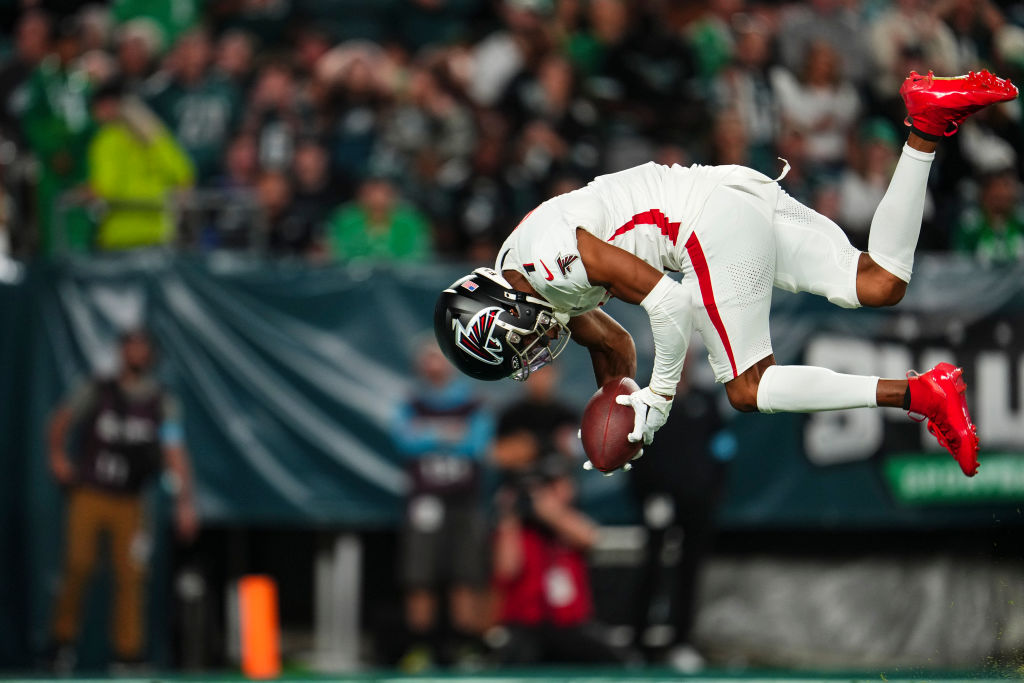
“I think I’m subscribed to four different services for football, all to follow one specific team, honestly,” Buffalo Bills fan Liam McDonald said. “Broadcasting has become an absurdity and an expensive one in terms of what I’m actually going to get out of the product.”
If you’re a Baltimore fan and you wanted to catch every Ravens game this year, at different times your eyeballs would be glued to NBC, CBS, Fox, ESPN, Amazon Prime Video, and Netflix. You’d also have the option to watch some games on Peacock, Paramount+, or YouTube TV’s NFL Sunday Ticket. Social media is full of incensed fans who say they don’t enjoy having to switch products to watch sports.
$8 billion is an eye-watering sum and it may seem crazy, but sports is one of the few major forms of content comparatively impervious to the rise of on-demand viewing.
“The only type of content that is left that I would call premium content is live events and sports,” said Michael Frank, principal analyst at Omdia, a media-analysis company. “That’s kind of the only content where you have to actually tune in, as opposed to watching it on demand or around your own time.”
“Sports is one of those pieces of premium content that people are willing to pay more for, especially in this new world of streaming,” Frank said.
And the NFL is the big game in town.
“When you’re in business with the NFL, it’s kind of a license to print money,” Frank said. Having a partnership with the NFL is a given for businesses to thrive, which is why so many of them are trying to get a piece.
Football is far from the only sport being snapped up by streaming services hungry for content.
“What drives any broadcaster to focus on any particular sport is obviously they want to drive eyeballs, as they say, or subscriptions to their service,” said Roger Domeneghetti, author of a number of books about sports and a specialist in its interaction with the media. With such exorbitant sums being asked for football — on average, the rights cost broadcasters $9.55 million per hour of content covered in the deal, compared to $1.04 million for the NHL — some broadcasters and streamers are going to pick off slightly less mainstream options to try to carve out a niche.
An example of that was Apple’s 2022 deal for $2.5 billion over 10 years to scoop up exclusive rights to Major League Soccer, a sport that has sat on the cusp of mainstream popularity but never quite gotten there.
On an hour-by-hour basis, Barclays calculated that the MLS deal cost Apple about $230,000 for the rights, a bargain even compared to pro wrestling ($2.05 million an hour), which is considered relatively cheap content in the industry.
There are a number of reasons the prices broadcasters pay vary so much, Frank said. One is audience demographics, and therefore the amount of money advertisers are willing to pay to place their products during breaks in the action.
“The popularity of the sport demands the CPM, the cost per mille, or how much an advertiser pays for a particular sport,” Frank said. Sports generally cost advertisers more to share their wares than other forms of broadcast entertainment, but the billboard games in the most followed sports tend to attract the highest fees.
Take Formula 1, whose fanbase is considered richer than most. The rights for it went to Disney at what Barclays estimates to be $2.36 million an hour, which is more than triple the hourly value of the English Premier League, one of the world’s most recognized sports brands. Disney’s decision to go all in on sports is part of the company’s triple-threat streaming strategy, using Disney+, Hulu, and ESPN.
A key consideration for streamers and broadcasters is “what kind of audience are they looking for?” Domeneghetti said — and in the US at least, soccer fans don’t have as much disposable income as Grand Prix aficionados. “You’ll see broadcasters focus more on audience types that drive subscriptions,” he added.
But beyond simply thinking about how many ads streamers can sell against sporting events, there are other considerations, particularly for the giants in streaming that are starting to snap up rights.
“They just want people to be buying Amazon Prime and then buy things through Amazon related to the sport,” Domeneghetti said.
Frank agreed. “Not only is it premium content, but this is the type of content that will support their ancillary offers,” said Frank, who referenced Amazon. “They have this ginormous e-commerce platform and an ancillary business that they run. Them spending money on sport will allow them to bring in customers to support their e-commerce platform.”
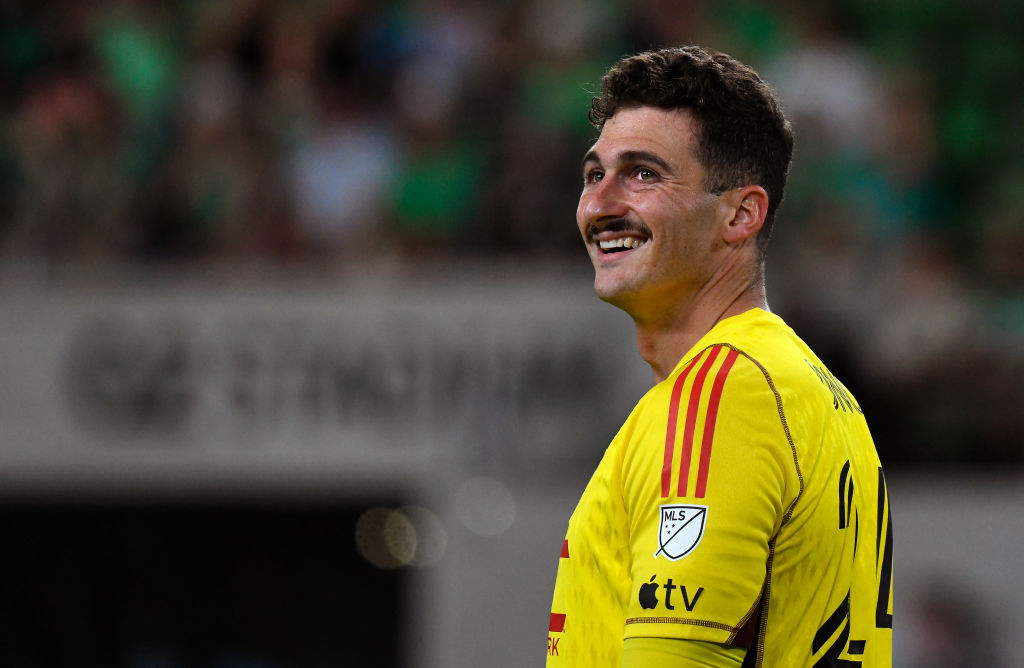
Frank called the ability to monetize sports rights in other ways, like pushing people to buy branded merchandise, an “ulterior motive” that helps streamers compete in this space. For Apple, buying the exclusive rights to MLS may also help bolster their more lucrative hardware business through brand association, putting the idea of buying Apple products in the minds of those who previously wouldn’t have considered it.
Because of that ability to push customers to other aspects of their business, streamers can pay higher prices for their sports rights, Frank said. “Streamers like Amazon, Netflix, and Apple are spending more money for content than traditional studios and networks,” he said.
That’s a perilous situation for traditional TV In August, Warner Bros. Discovery valued cable TV to be worth $9 billion less than it used to be, in large part thanks to the rise of streamers and their ability to engage audiences. Streaming surpassed cable when it comes to the share of total TV consumption about two years ago, Nielsen data showed.
“The one thing that’s keeping the cable bundle together is sport,” Frank said. But if cable is being outspent by the same streamers taking their audience, survival becomes trickier.
Little wonder, then, that cable companies are starting to partner with streamers to offer bundled deals that prop up their business. “I think it’s a good strategy,” Frank said. “I think it can work.” He paused for a moment, before concluding, “It certainly couldn’t hurt.”
Chris Stokel-Walker is a journalist in the UK. His latest book is “How AI Ate the World.”
Update (October 11, 2024): The text and a chart in this article originally misstated the cost per hour for sports streaming rights. The numbers have been corrected.



