Business

CHANGINGWINDS

BRITAIN-SCOTLAND-US-TRUMP
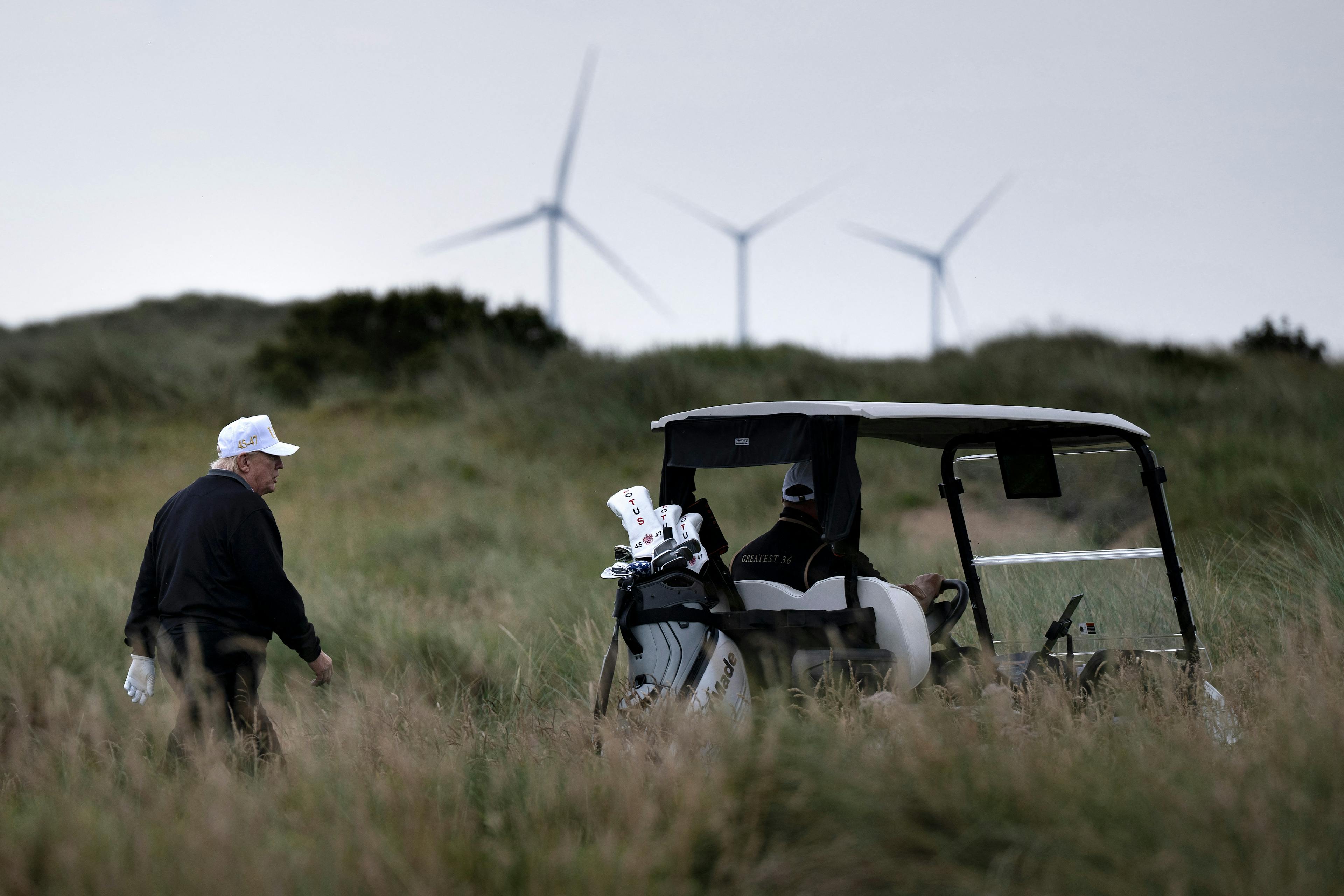
President Trump, backdropped by wind turbines, at his golf course in Scotland in July (Brendan Smialowski/AFP)

Trump says his policies will lead to “energy dominance.” Experts say electricity is going to get more expensive.

Moves like slashing wind and solar will increase annual power bills by $78 to $192, one group found.

Patrick Sisson

On the campaign trail last year, President Donald Trump told Americans that surging energy costs — the result of a “war on American energy” waged by his predecessor — would be stopped and prices would be cut in half when he took office. Electricity, heating, gasoline, air conditioning — everything would become more affordable when his energy dominance agenda took root, never mind that US oil drilling was already at record highs before the election. 

Experts have a much different analysis of the Trump administration’s large-scale shifts in energy policy, which include a renewed focus on fossil fuels and nuclear power, a curtailing of long-standing energy efficiency standards, and a scaling back of incentives seeking to speed up the switch to renewables. 

“When you push a series of policies that make it harder to add low-cost electricity to the power grid, that can be a gut punch to consumers that threatens to increase prices,” said Jim Chilsen, communications director for the Citizens Utility Board, an Illinois-based consumer advocacy group.
TOPSHOT-US-POLITICS-TECH-CLIMATE-ENERGY
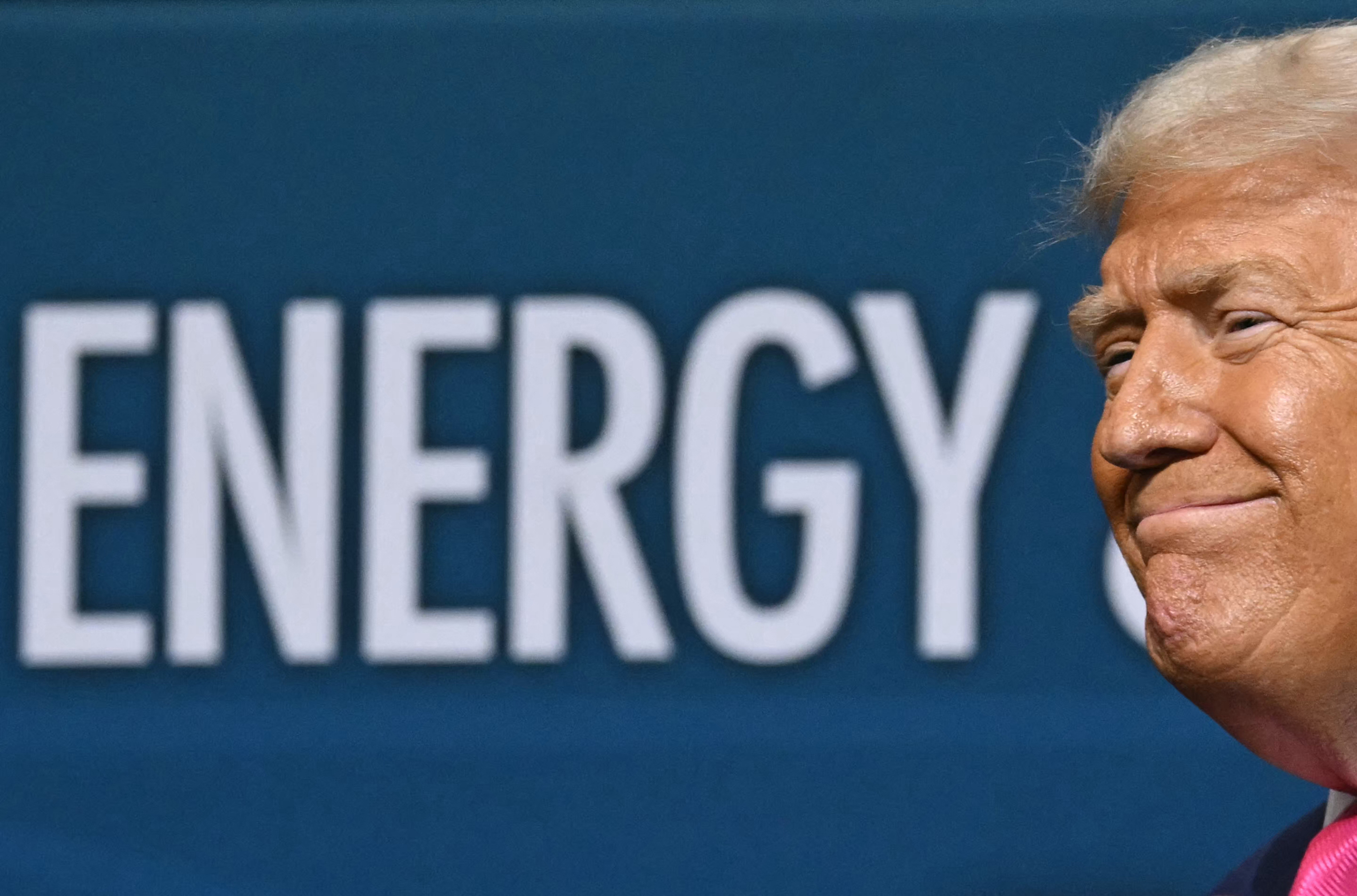
President Trump attends the Pennsylvania Energy and Innovation Summit on the campus of Carnegie Mellon University in Pittsburgh in July (Andrew Caballero-Reynolds/Getty Images)

An analysis of the One Big Beautiful Bill Act’s energy provisions by Energy Innovation, a nonpartisan energy and climate think tank, predicts power generation capacity will actually fall by 340 gigawatts nationally by 2035, with consumers paying up to 18% more for electricity over the next decade. That’ll add up to $980 billion in lost GDP, an extra $170 a year in energy bills for every household, and 760,000 jobs lost through 2035 — mostly in clean energy, construction, and manufacturing. Sectors like steel and glass will be hit by declining solar installations.

White House statements and predictions about the bill offer a different narrative: it will lower energy prices, Vice President JD Vance said, increase oil drilling and timber harvesting, bolster the oil and gas industry, and create jobs. The business-friendly Tax Foundation estimates the bill will overall create 938,000 jobs over the next decade, though it doesn’t break it down by sector.

US energy demand stayed flat between 2005 and 2020, said David Carter, a director at the consultancy RSM, but it has been growing about 2% to 3% annually in recent years, spurred in part by burgeoning demand for AI data centers. That growth has risen to 8% a year in fast-growing spots like Texas. Filling that gap has led US utilities to direct substantial sums toward upgrading infrastructure: the Edison Electric Institute found that investor-owned utilities spent a record $178.2 billion last year on grid and power upgrades, and are on pace to spend $1.1 trillion between 2025 and 2029 to meet growing demand. These costs are being passed down to consumers already in the form of rising prices.

“We are at a critical point right now where we need to get all of the power on the grid as quickly as we can,” Carter said. 

Cutting off wind and solar by exacerbating permitting challenges, cutting federal incentives, and revoking federal leases won’t help the US meet the moment. 

This will hit consumers — already suffering from higher prices — pretty hard. The Rhodium Group predicts the average household will pay between $78 and $192 more annually. It’ll be a much bigger challenge for lower-income consumers who don’t have as much disposable income and can’t afford higher monthly utility bills. Carter expects it to influence these consumers’ buying patterns. 
Energy Star appliance
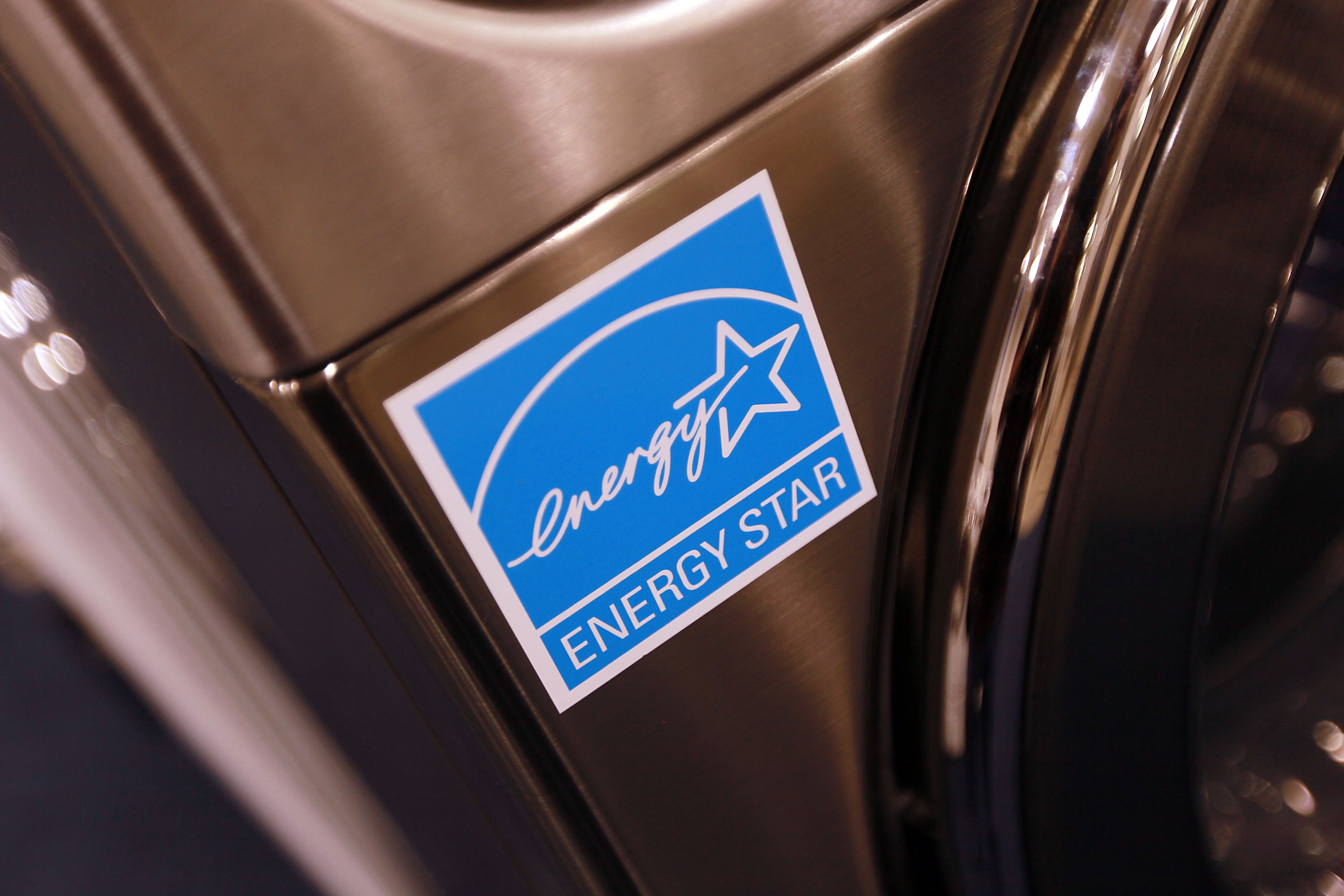
An Energy Star washing machine (Joe Raedle/Getty Images)

Take a low-income renter, for example. In addition to likely higher energy costs, the administration wants to cancel the Low Income Home Energy Assistance Program, or LIHEAP, which provides emergency heating and cooling assistance to 6.7 million households, as well as rescind recent appliance energy efficiency updates and wind down Energy Star, a program that has saved consumers over $500 billion since inception through more efficient appliances. All of this makes it more likely that apartment dwellers will pay more for energy over time.

“There’s a debilitating impact skyrocketing utility bills can have on a family,” Chilsen said. “When you’re pouring all of your money into higher and higher utility bills, you have less money to pay for necessities like food, rent, and medicine, but also less money to help spark the economy.”

Prices have already been rising. The US Energy Information Administration says residential power bills in May, the latest data available, were 6.5% higher than a year earlier.

The US economy is seeing spiking energy demand from a number of sources that predate Trump’s second term, RSM’s Carter said — especially data center growth, reindustrialization, electrification and EVs, and manufacturing facility construction. But policies that make it harder to meet this energy need are coming at the worst time and will have a drag effect on the economy in the near term.
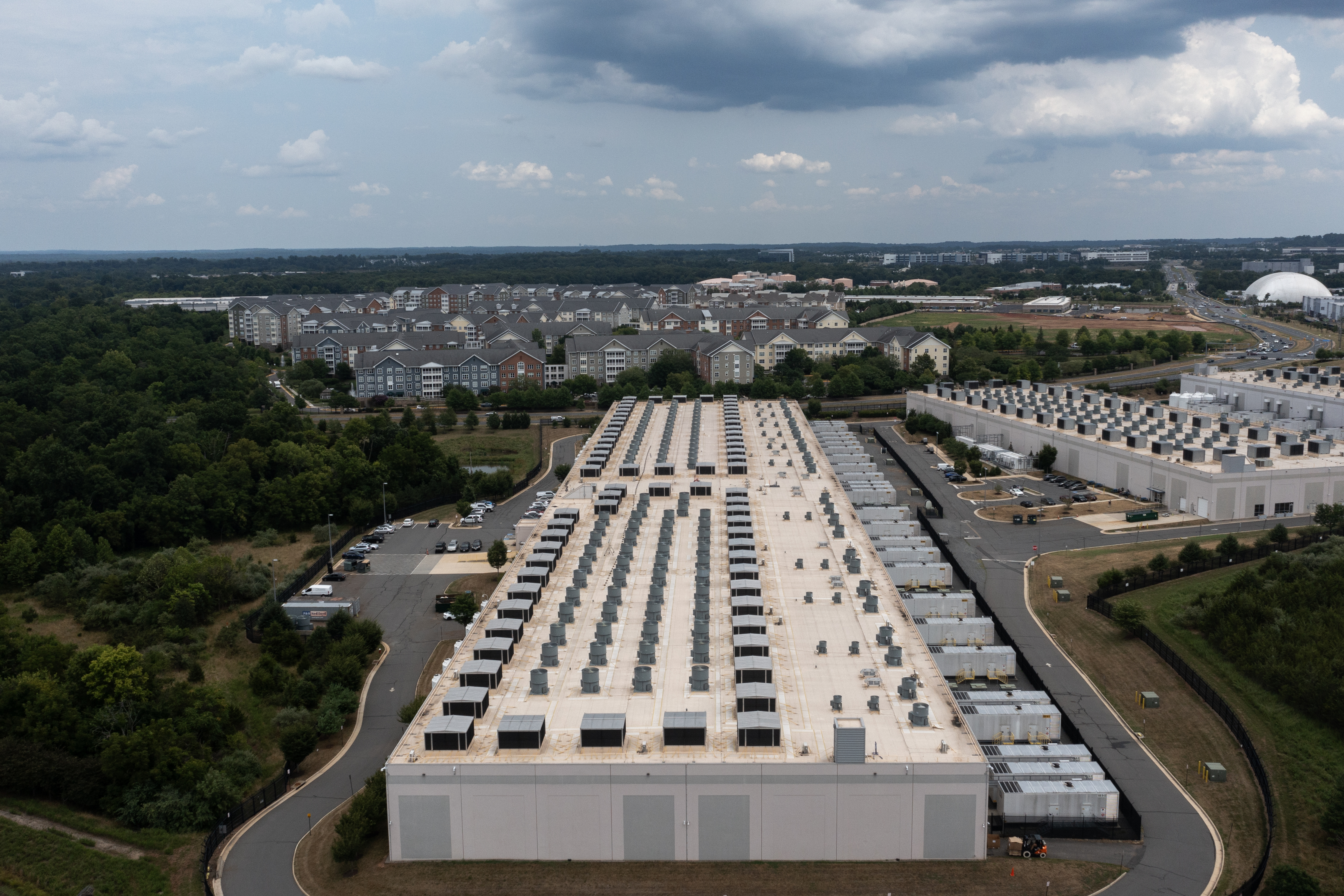
Major Cluster Of Data Centers Inhabit Northern Virginia
The IAD71 Amazon Web Services data center in Ashburn, Virginia (Nathan Howard/Getty Images)

Part of the problem, according to Dan O’Brien, a senior modeling analyst at Energy Innovation, is that cutting renewable uptake means more dependence on natural gas plants and therefore higher natural gas costs. Solar plants and wind farms can come online in a year or two, whereas natural gas plants take years longer — especially with a current five-year backlog on ordering new turbines.

The Energy Information Administration is forecasting that electricity prices for industrial energy will be up by 3.4% this year, and the Energy Innovation report predicts wholesale energy costs will jump 74% by 2035. This shift (and the policies that exacerbated it) will be inflationary, O’Brien said, since so many industries — chemical manufacturing, pharmaceuticals, papermaking, and steel and aluminum manufacturing — are energy intensive. He called the rise in consumer costs and prices for goods a “double whammy.”

“Increased electricity prices are making their way down to consumers,” Carter said. “Manufacturers are themselves seeing increased prices from a number of factors right now, and it’s at a time when margins are tight, and so they just can’t absorb those increases.”

Curtailing renewables — McKinsey predicts that tariffs alone will cut US solar installations by 9% over the next decade — makes it harder to add the cheapest, most quickly deployed power options to the grid when they’re needed the most. Big Tech firms have been exploring other options for powering the insatiable demand of data centers; Alphabet has even made deals with geothermal startup Fervo to power facilities in Nevada. 

Carter doesn’t see Trump energy policies hampering data center growth as much as pushing companies to be more strategic and creative when it comes to planning, building, and powering them. O’Brien argues that as prices for electricity — the largest operating expense for data centers — continue to rise, it’ll slowly push tech companies to consider building more centers outside the US, which could eventually impede the industry’s domestic growth.

Some energy experts “are expecting greater siting of data centers in Europe and China, and essentially anywhere that there is continued investment in renewables, that will keep prices down on the grid,” O’Brien added.

“You definitely see the US stepping back from being a manufacturer and exporter of clean energy products and instead subsidizing these fuels of the past, like coal and gas and oil,” he said. “It’s trying to squeeze what we can out of that, instead of looking forward to where the world is going.”

More Business

See all Business
business
Tom Jones

Prime Day is here again and Amazon’s subscription service has never been more popular

Well, it’s that time of year again: many have made their wish lists, people are scraping together the money they’ve saved to pick out a perfect gift, some are presumably leaving out refreshments for the weary delivery drivers and, more and more, drones.

It’s Amazon Prime Day — meaning that it’s the second day of the four-day promotional event that Amazon still calls Prime Day — of course, and it’s even come early this year, with the company bringing the period into late June from July, when it’s been traditionally held for the last five years.

The Prime Age

Alongside the eyes and endless clicks that the arbitrary stream of listicles on “The Best Prime Day Deals” that almost every media outlet pours into, Amazon will also be cheering the fact that there’s now more Prime users than ever before to devour the retailer and its sellers’ sometimes-contested “discounts.” Indeed, according to the latest annual estimates from Consumer Intelligence Research Partners (CIRP), there were just over 200 million American shoppers using Amazon’s massive subscription service at the end of 2025.

business

Electronic Arts launches a platform to put more ads in its games

Video game publishing giant EA launched a new platform on Monday designed to make the process of selling immersive ad space in its popular games easier.

The company says the platform, called EA Advertising, allows brands to “integrate directly into gameplay through dynamic, real-time placements, from stadium signage to custom in-game content.”

More so than other studios, EA has incorporated advertising into its most popular titles. As Kotaku points out, the company’s ad efforts stretch as far back as 2006. Several of its sports franchises already feature partnerships with brands like Visa, Lowe’s, Red Bull, and PepsiCo.

In-game advertising hasn’t exactly been embraced by fans, but industry experts expect it to ramp up as companies seek more revenue to offset higher games budgets and surging memory costs. EA rival Take-Two has taken a different approach, with CEO Strauss Zelnick recently saying the company was “not at risk of doing brand partnerships” in the forthcoming “Grand Theft Auto VI,” and that ads in full-price games seems “unfair.”

The $55 billion deal to take EA private, led by Saudi Arabia’s Public Investment Fund, is set to close at the end of this month. Being the largest leveraged buyout in history, EA will likely look for more ways to boost revenue to cover interest payments.

More so than other studios, EA has incorporated advertising into its most popular titles. As Kotaku points out, the company’s ad efforts stretch as far back as 2006. Several of its sports franchises already feature partnerships with brands like Visa, Lowe’s, Red Bull, and PepsiCo.

In-game advertising hasn’t exactly been embraced by fans, but industry experts expect it to ramp up as companies seek more revenue to offset higher games budgets and surging memory costs. EA rival Take-Two has taken a different approach, with CEO Strauss Zelnick recently saying the company was “not at risk of doing brand partnerships” in the forthcoming “Grand Theft Auto VI,” and that ads in full-price games seems “unfair.”

The $55 billion deal to take EA private, led by Saudi Arabia’s Public Investment Fund, is set to close at the end of this month. Being the largest leveraged buyout in history, EA will likely look for more ways to boost revenue to cover interest payments.

business

JM Smucker says it sold $1 billion worth of Uncrustables in FY2026

After years of booming sandwich sales, JM Smucker has finally earned a billion-dollar crust.

On Tuesday, the company reported results for fiscal year 2026, highlighting better-than-expected profits driven by higher prices for coffee and sweet baked goods. However, at another point on the earnings call, CEO Mark Smucker pointed to one particularly jammy figure: in line with previous forecasts, the company sold $1 billion worth of its (almost always) crustless sandwiches, Uncrustables, in the last year alone.

business

Paramount reportedly offers concessions to resolve multistate antitrust investigation

Paramount has reportedly offered up some concessions in an effort to prevent an antitrust lawsuit by California and about 10 other states, according to Bloomberg reporting on Monday.

Reuters first reported on the potential suit from a group of unnamed states last week, which could throw a wrench in Paramount’s plans to buy rival Warner Bros. Discovery in a Hollywood megamerger.

The list of concessions is unknown, though Bloomberg previously reported that Paramount is open to divesting some of its kids TV assets to appease EU regulators.

Late last month, reports said US regulators appeared likely to approve the $110 billion merger, following a meeting between Paramount CEO David Ellison and DOJ antitrust staffers.

The list of concessions is unknown, though Bloomberg previously reported that Paramount is open to divesting some of its kids TV assets to appease EU regulators.

Late last month, reports said US regulators appeared likely to approve the $110 billion merger, following a meeting between Paramount CEO David Ellison and DOJ antitrust staffers.

$98B ⛽

The IATA released its latest financial outlook for the airline industry over the weekend, forecasting a $98 billion jump in the sector’s collective fuel bill. The world’s largest trade group representing airlines expects the oil spike to halve profits by 49% from last year to $23 billion.

The group also expects profit margins to halve year over year, falling from 2025’s 4.2% to 2%. Still, revenue is expected to climb to $1.17 trillion from $1.07 trillion.

A surge in the cost of jet fuel has rocked US and global airlines this year, leading Delta Air Lines, United Airlines, American Airlines, Southwest Airlines, JetBlue, and others to raise fares and ancillary charges like bag fees. Low-cost carriers, which operate on smaller margins, have been squeezed the hardest, resulting in Spirit’s shutdown.

“It’s a tough year for all airlines, especially those whose balance sheets had not yet recovered from COVID. And, of course, for those operating in the Gulf,” said IATA Director General Willie Walsh, who added that demand is holding up and about half of passengers expect to spend more on travel this year. “That bodes well for a strong northern summer peak season. The big unknown is how long travelers and shippers can tolerate the higher costs of connectivity.”

Latest Stories

Sherwood Media, LLC and Chartr Limited produce fresh and unique perspectives on topical financial news and are fully owned subsidiaries of Robinhood Markets, Inc., and any views expressed here do not necessarily reflect the views of any other Robinhood affiliate, including Robinhood Markets, Inc., Robinhood Financial LLC, Robinhood Securities, LLC, Robinhood Crypto, LLC, Robinhood Money, LLC, Robinhood U.K. Ltd, Robinhood Derivatives, LLC, Robinhood Gold, LLC, Robinhood Asset Management, LLC, Robinhood Credit, Inc., Robinhood Ventures DE, LLC and, where applicable, its managed investment vehicles.